Sumerian Temple of Enlil at Nippur
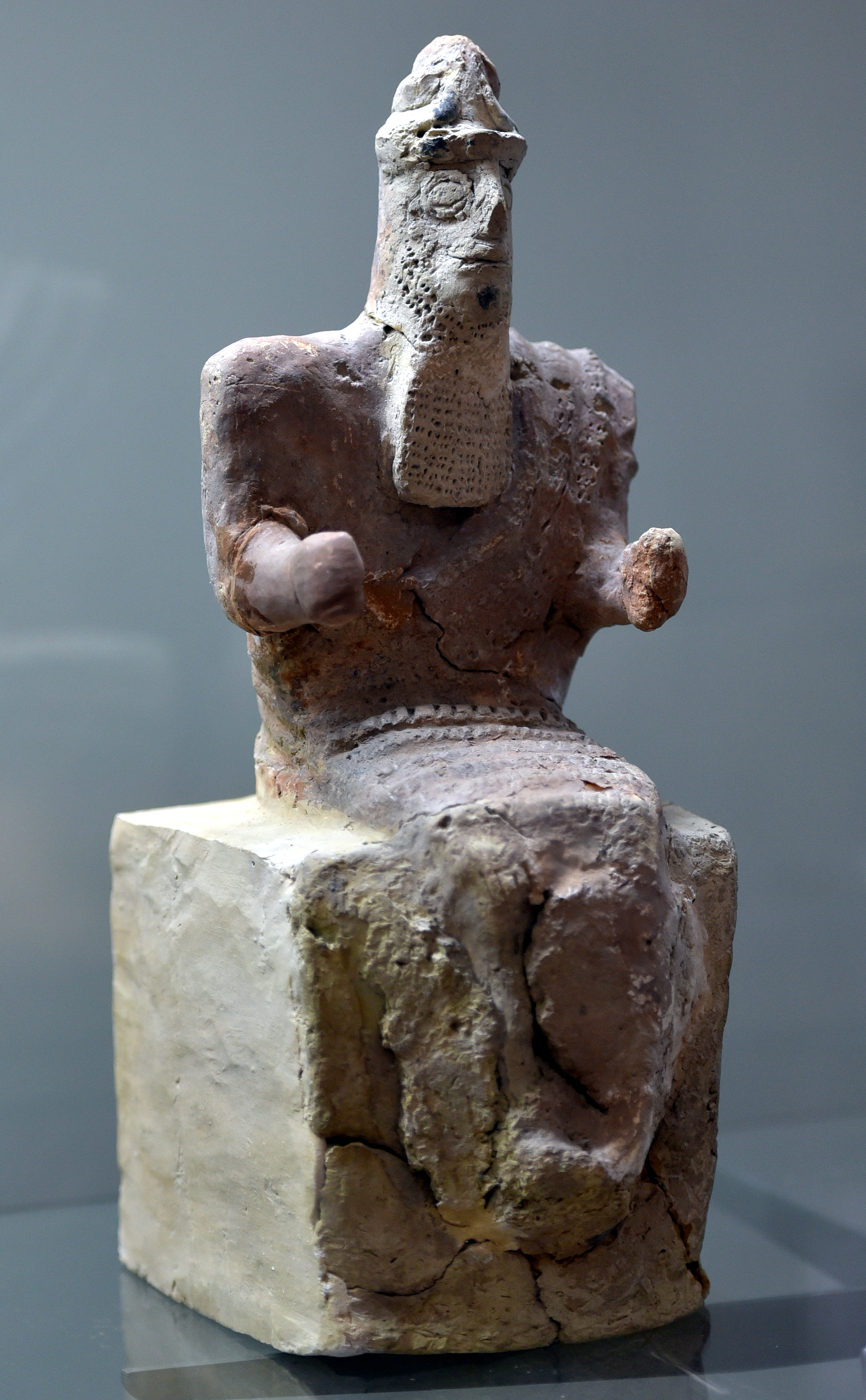
Photo: Osama Shukir Muhammed Amin FRCP(Glasg), CC BY-SA 4.0, via Wikimedia Commons
The Temple of Enlil at Nippur represents one of ancient Mesopotamia's most sacred religious complexes, dedicated to Enlil, the Sumerian god of wind and storm who held supreme authority in their pantheon. Located in what is now central Iraq, the site encompasses approximately 150 hectares of ancient ruins, with the temple's ziggurat foundations still visible today rising roughly 20 meters above the surrounding plain. Archaeological evidence suggests the complex served not only as a religious center but as an administrative hub that influenced Sumerian civilization for over two millennia. The temple's strategic position along ancient trade routes made Nippur a crucial nexus of political and spiritual power throughout Mesopotamian history.
Timeline
Early settlement established at Nippur with initial religious structures
Major construction period of the Temple of Enlil complex under Sumerian city-states
Ur III period renovations and expansion under Third Dynasty of Ur rulers
First systematic archaeological excavations begin under University of Pennsylvania
Joint American-Iraqi expeditions uncover extensive cuneiform tablet archives
What the Show Claims
- ›Sumerian descriptions of the Anunnaki gods recorded at Nippur represent actual encounters with extraterrestrial beingsS03E16
- ›The sophisticated architectural knowledge displayed in the temple's construction suggests guidance from advanced non-human intelligenceS03E16
- ›Cuneiform tablets from Nippur contain technological knowledge beyond what early civilizations should have possessed
What Archaeology Says
Archaeological investigations at Nippur, beginning with the University of Pennsylvania's pioneering expeditions in 1889, have revealed one of the most extensive archives of cuneiform literature ever discovered. The site has yielded over 30,000 tablets spanning nearly three millennia, providing unprecedented insights into Sumerian religious practices, administrative systems, and daily life. Excavations have uncovered multiple construction phases of the Ekur temple complex, with foundations dating to the Early Dynastic period around 2900 BCE.
The temple's architectural sophistication demonstrates advanced engineering knowledge, including complex drainage systems, precisely oriented walls, and multi-story construction techniques that required extensive understanding of load-bearing principles. American archaeologist Hermann Hilprecht and later expeditions documented the site's stratigraphy, revealing continuous occupation and renovation cycles that reflect the temple's enduring importance across different Mesopotamian empires.
Modern archaeological consensus views Nippur as the religious capital of ancient Sumer, where kings from various city-states came to legitimize their rule through ceremonies honoring Enlil. The tablet collections include some of humanity's earliest literary works, mathematical texts, and legal documents, establishing the site's crucial role in the development of writing and civilization.
However, significant portions of the site remain unexcavated, and many aspects of Sumerian religious practices recorded in the tablets continue to puzzle scholars. The precise methods used to construct the temple's foundations and the full extent of the complex's underground chambers remain subjects of ongoing archaeological investigation.
Mysteries & Fun Facts
Nippur was considered so sacred that it remained politically neutral throughout Sumerian history, with competing city-states respecting its religious authority
The site's cuneiform tablet collection includes the world's oldest known pharmacological texts and mathematical calculations
Archaeological evidence suggests the temple complex maintained continuous religious activities for over 3,000 years
The Nippur temple archives contain the earliest known versions of flood narratives that parallel later biblical accounts
Planning a Visit
The archaeological site of Nippur is generally accessible to visitors, though current political conditions in Iraq may affect tourism logistics and safety considerations. Visitors should coordinate with local authorities and tourism offices for the most current access information and security protocols. The site features informational displays and walkways through the main excavation areas, allowing close examination of the ancient foundations and architectural remains.
Najaf, approximately 60 kilometers southeast
The optimal visiting season is typically during cooler months from October through March, when temperatures are more manageable for exploring the exposed archaeological areas. Spring months offer particularly pleasant weather conditions for extended site exploration.
Featured Locations1 sites within this area
Ancient City of Shuruppak
IraqRelated Sites
Ur / Ancient Mesopotamia
Another major Sumerian religious center that provides context for understanding Mesopotamian civilization and Anunnaki mythology
Gobekli Tepe
An earlier temple complex in Turkey that also raises questions about ancient architectural knowledge and possible extraterrestrial influence
Çatalhöyük
An ancient Anatolian settlement that demonstrates sophisticated early urban planning and religious practices