Ur / Ancient Mesopotamia
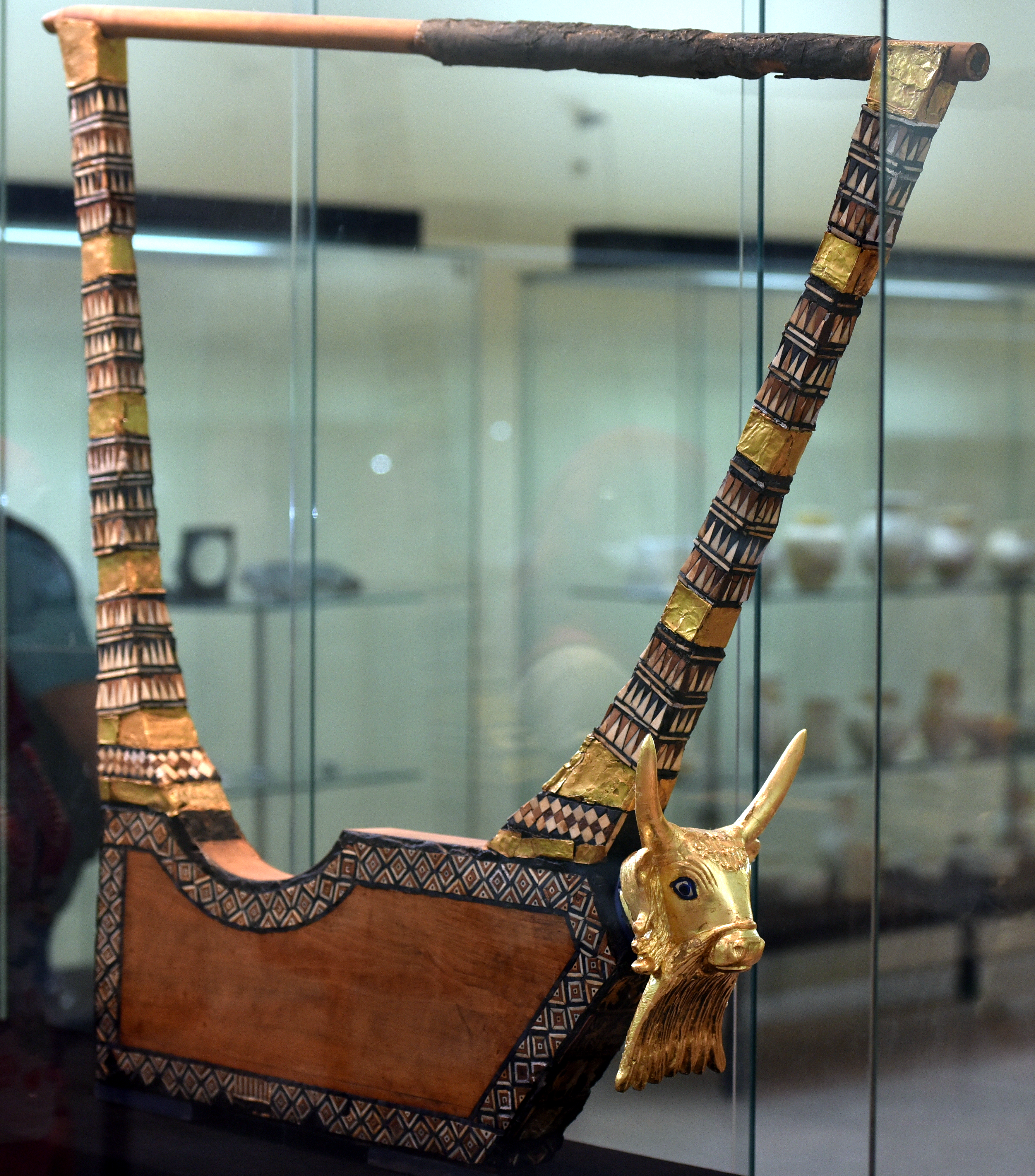
Photo: Osama Shukir Muhammed Amin FRCP(Glasg), CC BY-SA 4.0, via Wikimedia Commons
Ur stands as one of ancient Mesopotamia's greatest urban centers, located in the fertile floodplains between the Tigris and Euphrates rivers in modern-day Iraq. The site's crown jewel is the Great Ziggurat of Ur, a massive stepped pyramid temple rising approximately 64 feet high and measuring 210 by 150 feet at its base. Built around 2100 BC, this imposing brick structure dominated the cityscape and served as the religious heart of a civilization that gave humanity its first written laws, literature, and urban planning. Today, visitors can explore the partially reconstructed ziggurat and the excavated royal cemetery, where archaeologist Sir Leonard Woolley uncovered extraordinary golden artifacts that revealed the wealth and sophistication of Sumerian society.
Timeline
Early settlement established in southern Mesopotamia
Great Ziggurat of Ur constructed during Third Dynasty of Ur
Ur reaches its peak as capital of Sumerian empire
Sir Leonard Woolley begins major excavations
Discovery of Royal Cemetery with golden artifacts
What the Show Claims
- ›Sumerian texts describe the Anunnaki — gods who came from the sky and created humanity through genetic engineeringS01E02S06E03
- ›The Great Ziggurat of Ur was a landing platform for alien spacecraftS01E02
- ›Cuneiform tablets describe advanced astronomy, mathematics, and medicine — knowledge provided by alien visitorsS06E03
- ›Sumerian kinglist describes rulers who reigned for tens of thousands of years — alien lifespansS10E02
From the Transcripts
“The line also encompasses the ancient Sumerian city of Ur; the ruins of Petra, Jordan; and Persepolis, the capital city of ancient Persia.”
What Archaeology Says
Systematic excavations at Ur, primarily led by Sir Leonard Woolley in the 1920s and 1930s, revealed a sophisticated urban civilization that flourished for over three millennia. The most spectacular discoveries came from the Royal Cemetery, where Woolley uncovered the intact tomb of Queen Puabi, complete with an elaborate golden headdress and hundreds of precious artifacts that demonstrated the extraordinary craftsmanship of Sumerian artisans.
The Great Ziggurat itself represents remarkable engineering achievement for its time, constructed with a solid mud-brick core and fired brick exterior. Archaeological analysis reveals it was built using precise mathematical calculations, with drainage systems and bitumen waterproofing that allowed it to survive nearly 4,000 years. The structure served as a temple platform dedicated to Nanna, the moon god, with priests climbing its staircases to perform religious ceremonies at the shrine on top.
Cuneiform tablets discovered at the site document everything from business transactions to epic literature, including some of the world's earliest known poetry and legal codes. These texts reveal a civilization with sophisticated understanding of mathematics, astronomy, and administration — achievements that can be explained through natural cultural development and the practical needs of managing large-scale agriculture and trade networks.
While much about Sumerian religious beliefs and the symbolic meaning of their mythology remains open to interpretation, archaeologists have found no physical evidence supporting extraterrestrial contact. The Anunnaki appear in religious texts as traditional fertility and sky deities, similar to divine pantheons found in cultures worldwide, while the extreme lifespans in kinglists likely represent symbolic rather than literal chronology.
Mysteries & Fun Facts
Abraham, the biblical patriarch, is believed to have been born in Ur according to religious tradition
The Royal Cemetery contained the remains of 74 attendants who were apparently sacrificed to accompany their rulers into the afterlife
Ur's ziggurat originally had three staircases with 100 steps each leading to the temple platform
Archaeological evidence suggests Ur had a population of approximately 65,000 people at its peak around 2000 BC
Planning a Visit
Ur is generally accessible to visitors, though travel to Iraq requires careful planning due to ongoing security concerns and visa requirements. The site features a partially reconstructed ziggurat that visitors can climb, along with excavated residential areas and the famous royal cemetery.
Nasiriyah, approximately 10 miles northeast
The cooler months from November to March offer the most comfortable temperatures for exploring the exposed archaeological site. Summer temperatures can exceed 120°F, making outdoor exploration extremely challenging.
Related Sites
Uruk
Another major Sumerian city that Ancient Aliens claims shows evidence of advanced alien-influenced civilization
Gobekli Tepe
An even older site in the same region that the show suggests represents the earliest alien contact with humanity
Teotihuacan
A massive pyramid complex that Ancient Aliens theorists often compare to Mesopotamian ziggurats as alien landing platforms