Observatory of Mount Korab
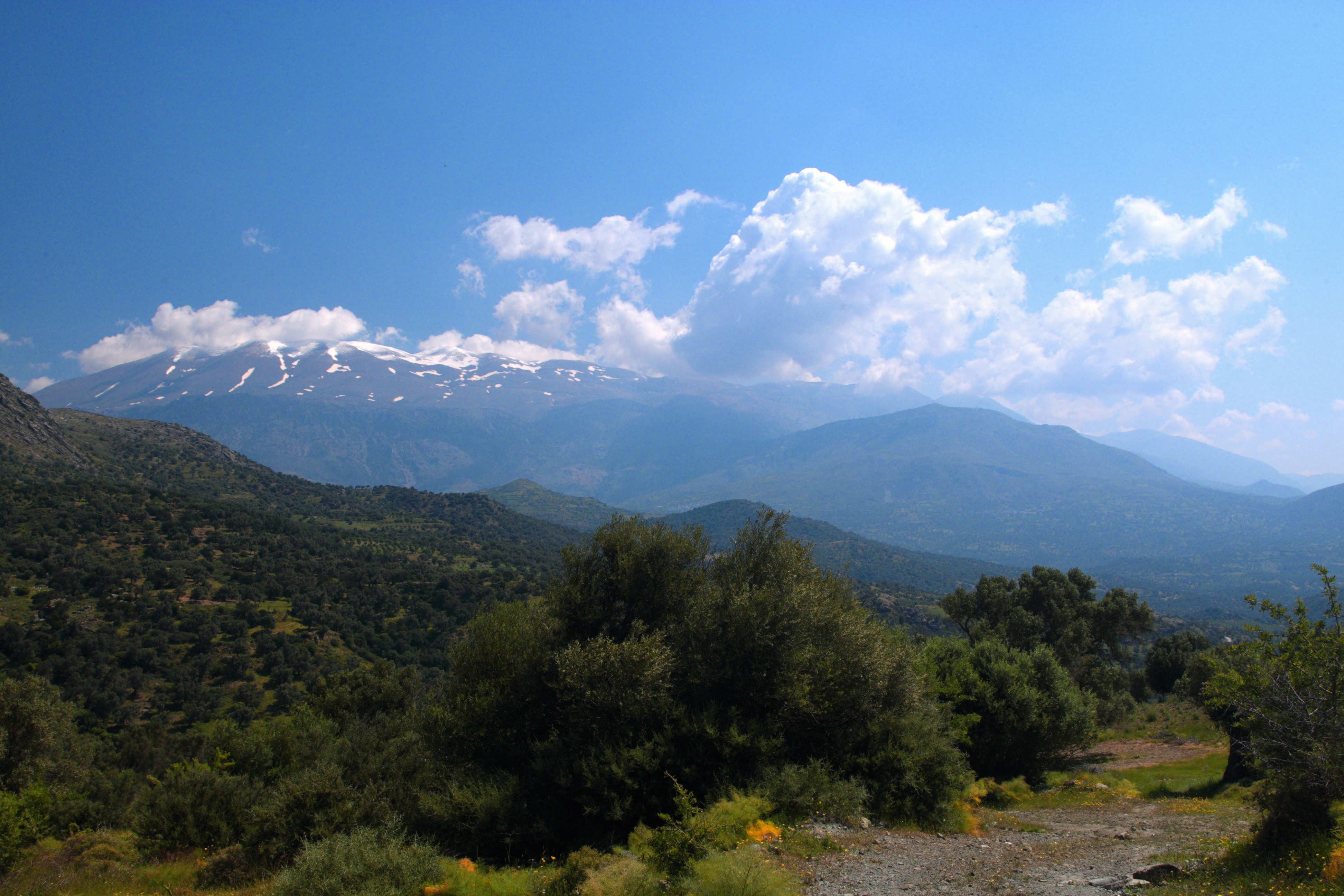
Photo: Jerzy Strzelecki, CC BY-SA 3.0, via Wikimedia Commons
Perched on the rugged slopes of Mount Korab, North Macedonia's highest peak at 2,764 meters, this controversial site is claimed to be a 4,000-year-old astronomical observatory. The location consists of stone arrangements and what some interpret as viewing platforms positioned to track celestial movements across the night sky. The remote mountain setting, straddling the border between North Macedonia and Albania, offers commanding views across the Balkan Peninsula and would have provided ancient observers with minimal light pollution for stargazing. While the structures themselves appear weathered and partially integrated into the natural rocky terrain, their astronomical purpose remains a subject of significant archaeological debate.
Timeline
Estimated construction period of the alleged observatory structures
Modern mountaineering expeditions begin documenting unusual stone arrangements on Mount Korab
Featured on Ancient Aliens as evidence of ancient astronomical knowledge
What the Show Claims
- ›A 4,000-year-old observatory demonstrates sophisticated ancient knowledge of celestial movementsS06E11
- ›Ancient peoples could track astronomical phenomena with remarkable precision from remote mountain peaksS06E11
What Archaeology Says
The archaeological investigation of Mount Korab's alleged observatory remains limited due to the site's extreme altitude and challenging accessibility. What fieldwork has been conducted reveals stone arrangements that some researchers interpret as deliberate constructions, while others argue they may be natural geological formations enhanced by later human activity. The harsh mountain environment has made systematic excavation difficult, leaving many questions about the site's true age and purpose unresolved.
Few professional archaeologists have published peer-reviewed research specifically on Mount Korab's observatory claims. The attribution of the structures to ancient Macedonian civilization relies primarily on regional archaeological context rather than direct dating of the site itself. Local traditions and folklore speak of the mountain's significance to ancient peoples, but these oral histories have not been systematically correlated with physical evidence at the summit.
The scientific consensus on Mount Korab leans toward caution regarding the astronomical observatory interpretation. Many archaeologists familiar with the region suggest that while the mountain certainly held significance for ancient populations, the specific claims about sophisticated celestial tracking capabilities require more rigorous archaeological verification. The stone arrangements, while intriguing, have not been definitively proven to align with astronomical phenomena in ways that would indicate deliberate construction for observational purposes.
What remains genuinely unknown is the full extent of human activity on Mount Korab throughout prehistory. The mountain's position as the highest peak in the region would have made it a natural landmark and possibly a site of ritual significance. However, distinguishing between natural rock formations, casual human modification, and deliberate astronomical construction continues to challenge researchers working in this remote and difficult terrain.
Mysteries & Fun Facts
Mount Korab is the highest peak in both North Macedonia and Albania, making it a cross-border summit
The mountain's name is believed to derive from the Slavic word meaning 'ship,' possibly referring to its distinctive silhouette
Clear nights on Mount Korab offer exceptional views of the Milky Way due to minimal light pollution
The mountain is home to several endemic plant species found nowhere else in the Balkans
Planning a Visit
Mount Korab is generally accessible to experienced hikers and mountaineers, though the journey to the summit requires proper equipment and mountain climbing experience. The alleged observatory site is located near the peak, making it a challenging multi-day expedition that should only be attempted with proper gear and local guides familiar with the mountain's weather patterns.
Skopje, approximately 80 kilometers northeast of Mount Korab
Late spring through early fall offers the best weather conditions for attempting the summit, though even summer climbing requires preparation for rapidly changing mountain weather.
Related Sites
Callanish Stones / Scottish Sites
Another alleged ancient astronomical observatory site in a remote mountainous location
Externsteine
European megalithic site with claimed astronomical alignments and mountain setting
Avebury Stone Circle
Stone circle complex with disputed ancient astronomical observation capabilities