Italian Alps (Ötzi the Iceman discovery site)
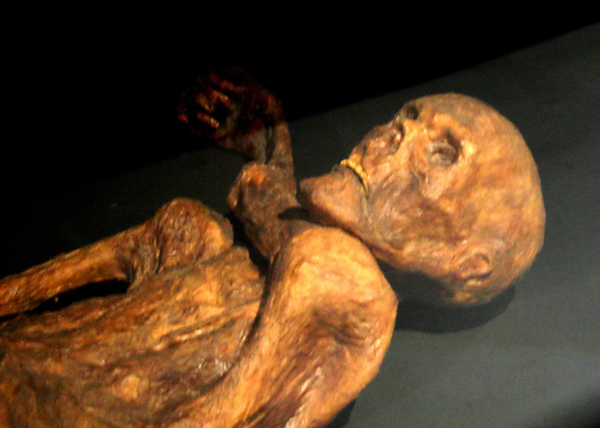
Photo: 120, CC BY-SA 3.0, via Wikimedia Commons
The discovery site of Ötzi the Iceman lies at approximately 10,530 feet elevation in the Ötztal Alps, near the border between Austria and Italy. This remote glacial landscape preserved one of the world's most significant archaeological finds — a naturally mummified human from approximately 3300 BCE. The site consists of a rocky gully where melting ice revealed the remains, along with remarkably preserved clothing, tools, and equipment. The challenging alpine terrain and extreme conditions that claimed Ötzi's life also created the perfect preservation environment that maintained his body for over 5,000 years. Ancient Aliens theorists have pointed to Ötzi's 50 tattoo markings—many positioned at points that correspond to classical acupuncture meridians—as potential evidence that advanced knowledge of therapeutic techniques was shared across continents by extraterrestrial visitors. However, mainstream archaeologists interpret these markings as evidence of an independent early European healing tradition, suggesting that different cultures may have discovered similar therapeutic applications of tattooing and pressure points through observation and experimentation, a phenomenon well-documented in the independent development of medical practices across isolated ancient societies.
Timeline
Ötzi dies in the Ötztal Alps, possibly from an arrow wound, and becomes naturally mummified in glacial ice
German hikers Helmut and Erika Simon discover the mummified remains emerging from melting ice
Legal disputes occur over custody of the remains between Austria and Italy, resolved when precise GPS measurements confirm the body was found on Italian soil
What the Show Claims
- ›The 61 geometric tattoo markings on Ötzi's body correspond to acupuncture treatment points, suggesting ancient knowledge possibly delivered by extraterrestrial beingsS06E06
Theorist Takes
“I think acupuncture is one of these sciences which came from the gods and was given to our ancestors.”
“We think acupuncture's from China, but here's something even older and from the Alps.”
From the Transcripts
“Here, high on a snow laden mountainside near the Austrian border, two hikers discover the mummified corpse of a man. Frozen in place for an estimated 5,000 years, the body, later nicknamed Otzi, is carefully examined.”
“Under examination, it was found that Otzi the Iceman had, in fact, 61 different tattoos over his body, and almost all of these took the form of parallel lines”
What Archaeology Says
The discovery of Ötzi revolutionized understanding of Copper Age European life. His preserved body, clothing, and equipment provided unprecedented insights into technology, diet, health, and daily life from over 5,000 years ago. The mummy revealed sophisticated craftsmanship in his copper axe, leather clothing, and birchbark containers, demonstrating advanced metallurgy and materials science.
Analysis of Ötzi's 61 tattoos has generated significant scientific interest. These markings, created by rubbing charcoal into small cuts, are located primarily on his lower back, knees, and ankles — areas that likely caused him pain due to arthritis and wear. Researchers have noted that many tattoo locations correspond closely to traditional Chinese acupuncture points, suggesting either an independent European development of therapeutic body marking or much older origins for acupuncture than previously recognized.
Scientific examination revealed Ötzi died from an arrow wound to his shoulder, with the arrowhead still embedded in his body. His stomach contents showed his final meals, while pollen analysis indicated he traveled from lower valleys to the high alpine region where he died. DNA analysis has traced his ancestry and revealed he was lactose intolerant, had brown eyes, and belonged to a genetic lineage now extinct in modern Europe.
While most aspects of Ötzi's life and death have been thoroughly studied, questions remain about the exact circumstances of his final journey and whether his death was accidental or the result of conflict. The significance of his tattoo patterns continues to be debated, particularly regarding their potential connection to ancient healing practices and the independent development of therapeutic marking traditions across different cultures.
Mysteries & Fun Facts
Ötzi's copper axe was so advanced for its time that it represented technology not thought to exist in Europe for another 1,000 years
His stomach contents revealed he ate ibex meat and einkorn wheat bread just hours before his death
The tattoos were created using a technique of cutting the skin and rubbing charcoal into the wounds, making them among the world's oldest known tattoos
DNA analysis revealed Ötzi had 19 living male relatives in the Austrian Tyrol region when scientists tested local volunteers in 2013
Planning a Visit
The actual discovery site is located in extremely remote, high-altitude terrain accessible only to experienced mountaineers and alpine hikers. Most visitors view Ötzi himself and his artifacts at the South Tyrol Museum of Archaeology in Bolzano, Italy, where the mummy is displayed in a specially controlled environment.
Bolzano, Italy, approximately 25 miles southeast of the discovery site.
The museum in Bolzano is open year-round, though the actual alpine discovery site is only accessible during summer months when snow conditions permit.
Featured Locations1 sites within this area
Ötztal Alps (Otzi the Iceman discovery site)
Austria/Italy (border region)Theorists argue that Otzi's 61 tattoos, located on acupuncture meridian points, suggest advanced medical knowledge possibly downloaded from extraterrestrial sources, predating the formal Chinese system of acupuncture by thousands of years. Mainstream scientists attribute the tattoos to therapeutic practices of the Copper Age and note they align with acupuncture points by coincidence or independent discovery.
Related Sites
Cave of Altamira
Another prehistoric European site with ancient artistic and cultural practices that challenge conventional timelines
Çatalhöyük
An ancient settlement that provides insights into early human civilization and sophisticated prehistoric societies
Gobekli Tepe
A prehistoric site that demonstrates advanced ancient knowledge and construction techniques predating conventional historical assumptions