Zoroastrian Fire Temple at Naqsh-e Rostam
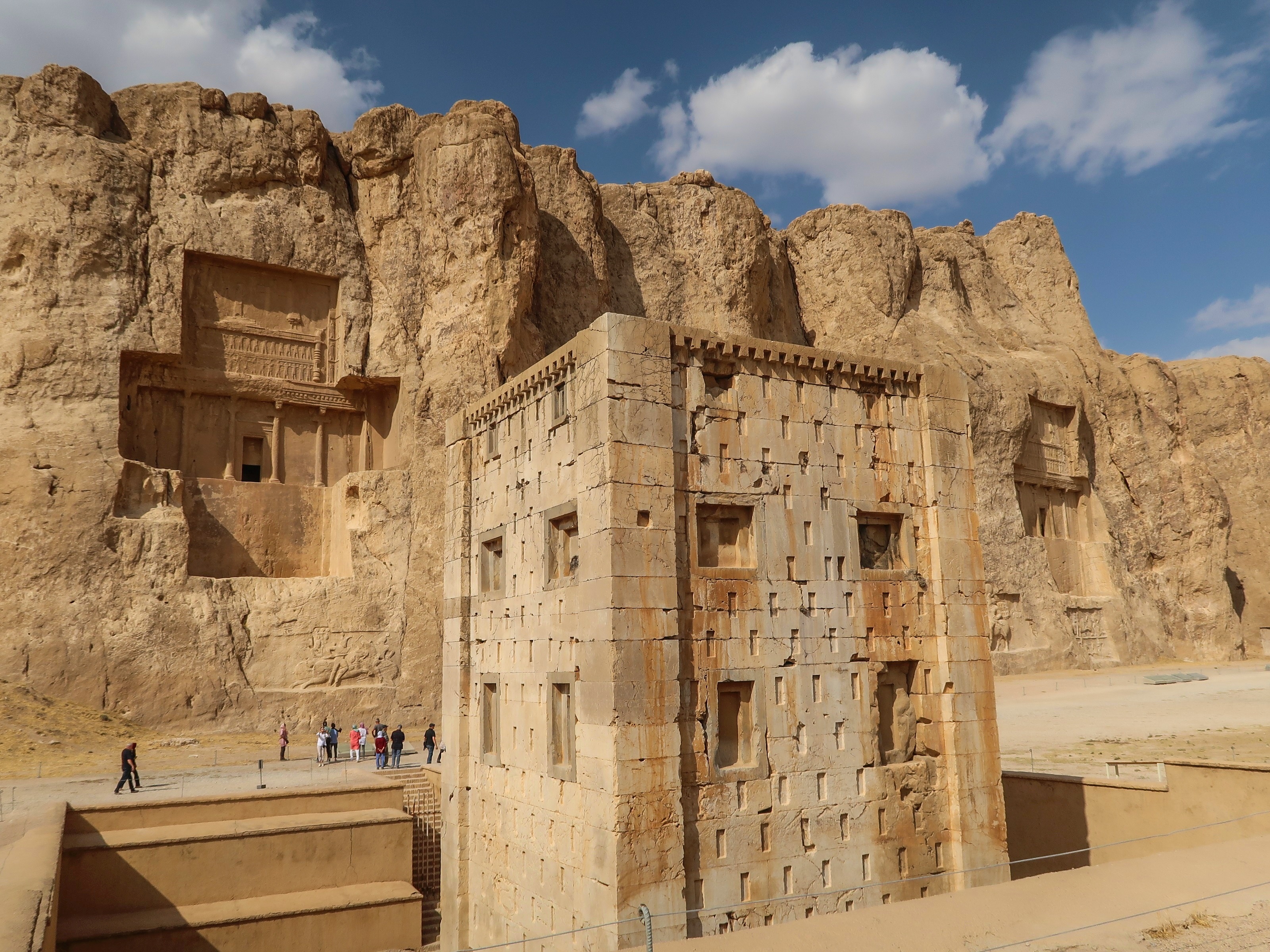
Photo: Maasaak, CC BY-SA 4.0, via Wikimedia Commons
Naqsh-e Rostam stands as one of Iran's most magnificent archaeological complexes, featuring towering rock-cut tombs of Achaemenid kings carved into limestone cliffs that rise approximately 200 feet above the ground. The site encompasses multiple Zoroastrian fire temples and altars, with the main fire temple believed to have maintained sacred flames for over a millennium. Visitors today encounter massive Sassanid rock reliefs depicting royal investiture scenes, alongside the cross-shaped tomb facades that likely housed Darius I, Xerxes I, and other Persian emperors. The complex sits in the Marvdasht plain near Persepolis, creating a sacred landscape that served as the spiritual and ceremonial heart of the Persian Empire.
Timeline
Construction begins on the first Achaemenid royal tombs carved into the cliff face
Sassanid rulers add massive rock reliefs commemorating royal victories and investitures
Zoroastrian fire temples reach their peak prominence with continuous sacred flame maintenance
Modern archaeological surveys begin documenting the site's reliefs and structures
What the Show Claims
- ›Zoroastrian prophecies and fire temple symbolism may indicate contact with alien intelligencesS04E02
- ›The eternal flame possibly represents alien technology or advanced knowledgeS04E02
What Archaeology Says
Archaeological investigations at Naqsh-e Rostam have revealed a complex ceremonial center that evolved over more than a thousand years. The site's most prominent features are the four cross-shaped tombs cut directly into the cliff face, with scholars generally attributing these to Darius I, Xerxes I, Artaxerxes I, and Darius II based on inscriptional evidence and architectural analysis. The precise carving techniques and massive scale of these monuments demonstrate the advanced engineering capabilities of Achaemenid craftsmen.
The Sassanid period additions include seven large rock reliefs that cover earlier Elamite carvings, depicting scenes of royal investiture, victory celebrations, and religious ceremonies. These reliefs provide crucial historical documentation of Sassanid royal ideology and religious practices, with particularly detailed depictions of Zoroastrian fire altars and ceremonial activities. The fire temple structures themselves show evidence of continuous use over centuries, with archaeological deposits indicating regular maintenance and ritual activity.
Modern researchers have identified multiple construction phases and architectural modifications that reflect changing religious practices and political control. The site's integration with the broader Persepolis landscape suggests careful planning of sight lines and ceremonial pathways connecting various royal and religious complexes. Carbon dating of organic materials found in ritual deposits has helped establish more precise chronologies for different phases of site use.
Significant questions remain about specific ritual practices conducted at the fire temples and the astronomical orientations of certain architectural elements. The relationship between the carved tombs and associated fire altars continues to generate scholarly debate, particularly regarding the evolution of Zoroastrian burial customs and the integration of royal and religious functions at the site.
Mysteries & Fun Facts
The site's name translates to 'Picture of Rostam,' referencing the legendary Persian hero from the Shahnameh epic
Some of the Sassanid rock reliefs tower over 20 feet in height and required sophisticated scaffolding systems to carve
The cross-shaped tomb design influenced royal burial architecture throughout the ancient Near East
Local tradition maintains that sacred fires burned continuously at the site for over 800 years
Planning a Visit
The site is generally accessible to visitors as part of organized tours or independent travel to the Fars Province region. The main monuments are visible from designated viewing areas, though access to the carved tomb interiors may be restricted to preserve the ancient structures.
Shiraz, approximately 60 kilometers southeast
Spring and fall offer the most comfortable weather conditions for exploring the exposed cliff-side site. Early morning visits provide optimal lighting for viewing the rock reliefs and avoiding midday heat.
Featured Locations2 sites within this area
Persepolis, Iran
IranPersepolis
Iran