Abba Garima Monastery
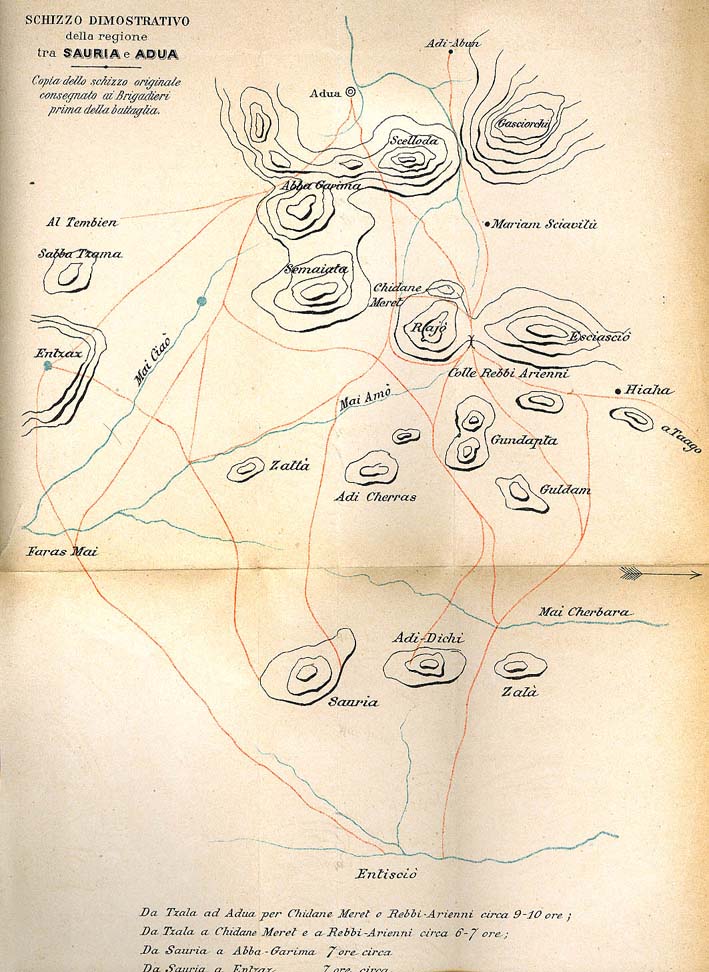
Photo: Da O. Baratieri, Memorie d’Africa (1892-1896), Torino, Fratelli Bocca, 1898 (l’orientamento della mappa ha l’Ovest in alto), Public domain, via Wikimedia Commons
Abba Garima Monastery sits majestically in Ethiopia's Tigray highlands at approximately 7,000 feet elevation, about five kilometers east of the historic town of Adwa. Founded in the sixth century by Abba Garima, one of the legendary Nine Saints who brought Christianity to Ethiopia, this ancient Orthodox monastery was built under the patronage of King Gabra Masqal. The monastery complex houses the renowned Garima Gospels, believed to be among the world's oldest surviving illustrated Christian manuscripts, dating to the sixth century AD. Visitors today encounter a living monastery where centuries-old traditions continue, surrounded by the dramatic landscapes of northern Ethiopia's highland plateau.
Timeline
Abba Garima, one of the Nine Saints, establishes the monastery in the Tigray highlands
Creation of the Garima Gospels, among the oldest illustrated Christian manuscripts
King Gabra Masqal provides royal patronage for monastery construction
International recognition grows for the monastery's ancient manuscript collection
What the Show Claims
- ›The monastery houses the Ethiopian Orthodox Bible, which uniquely includes the Book of Enoch as canonical scripture, suggesting Ethiopia preserves suppressed extraterrestrial truths omitted from other BiblesS16E05
- ›The Garima Gospels represent one of the oldest Christian Bibles on Earth, reflecting Ethiopia's distinct biblical canon rooted in ancient Judeo-Christian heritageS16E05
Theorist Takes
“Ethiopia is an unusually holy place.”
From the Transcripts
“Here, 7,000 feet above sea level and clinging to the side of a mountain stands the Abba Garima Monastery. This church is home to one of Christianity's most ancient the Garima Gospels.”
What Archaeology Says
Archaeological and manuscript studies have revealed that Abba Garima Monastery represents one of Ethiopia's most significant repositories of early Christian culture. The monastery's founding in the sixth century coincides with a crucial period when Christianity was taking deep root in the Ethiopian highlands, brought by the Nine Saints who came from the Byzantine world to establish monastic communities.
The Garima Gospels, the monastery's most famous treasure, have been the subject of extensive scholarly analysis. These illuminated manuscripts, written in Ge'ez script, contain the four gospels with intricate decorative elements that reflect both Byzantine and indigenous Ethiopian artistic traditions. Radiocarbon dating and paleographic analysis support their sixth-century origins, making them contemporaneous with other early Christian codices like those found at Saint Catherine's Monastery in Egypt.
What makes Abba Garima particularly significant to researchers is its role in preserving Ethiopia's unique Christian tradition. The Ethiopian Orthodox Church maintains an 81-book biblical canon, including texts like the Book of Enoch that were excluded from other Christian traditions. This expanded canon reflects Ethiopia's early adoption of Christianity and its subsequent isolation, which allowed distinctive theological and textual traditions to develop independently.
Many aspects of the monastery's early history remain subjects of ongoing research. While tradition attributes the gospels to Abba Garima himself, scholars continue to investigate the precise dating and origins of various manuscripts in the collection. The relationship between Ethiopian Christianity and earlier Jewish communities in the region also presents fascinating questions about cultural continuity and religious transmission in ancient Ethiopia.
Mysteries & Fun Facts
The monastery was established by one of the Nine Saints, legendary figures who brought Christianity to Ethiopia in the sixth century
The Garima Gospels contain some of the earliest known illustrations in Ethiopian Christian art
King Gabra Masqal, who patronized the monastery's construction, was part of the Aksumite dynasty that made Ethiopia one of the first Christian kingdoms
The Ethiopian Orthodox Bible contains 81 books, including texts like Enoch and Jubilees not found in other Christian canons
Planning a Visit
The monastery is generally accessible to visitors, though reaching the site requires traveling through the mountainous terrain of Tigray Region. Visitors should respect the active monastic community and follow local protocols for viewing the ancient manuscripts and religious artifacts. Due to the monastery's remote highland location and the sensitive nature of its manuscript collection, it's advisable to coordinate visits through local tour operators or religious authorities.
Adwa, approximately 5 kilometers to the west
The dry season from October to March offers the most favorable conditions for visiting, with clearer mountain roads and more stable weather. This period also coincides with major Ethiopian Orthodox festivals when the monastery's cultural significance is most evident.
Related Sites
Lalibela Rock-Hewn Churches
Both represent Ethiopia's ancient Christian civilization and contain remarkable religious architecture and manuscripts
Axum Obelisk
Axum was the capital of the kingdom that patronized early monasteries like Abba Garima and shares the same ancient Christian heritage
Great Zimbabwe
Another African site that preserves ancient religious and cultural traditions independent from European influence
Featured In1 episodes
Historical data sourced from Wikipedia