Mount Hermon
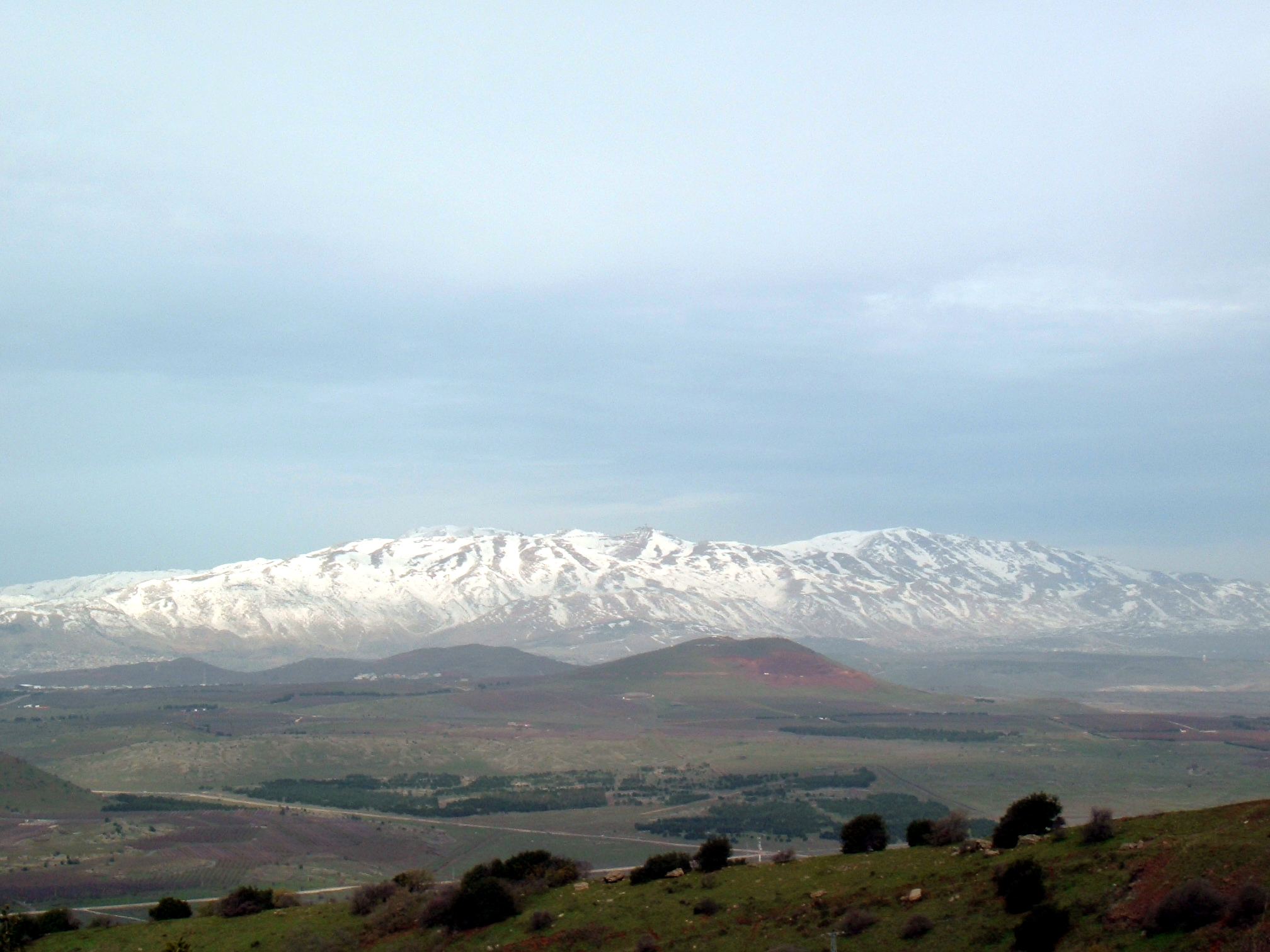
Photo: Almog, Public domain, via Wikimedia Commons
Mount Hermon stands as a dramatic mountain cluster at 2,814 meters (9,232 feet) above sea level, marking the southern terminus of the Anti-Lebanon mountain range and serving as the highest point in Syria and the Israeli-occupied Golan Heights. The summit straddles the volatile border between Syria and Lebanon, hosting the world's highest permanently manned UN position, known as "Hermon Hotel," within the UN buffer zone. Southern slopes extend into Israeli-occupied territory, where a ski resort operates at elevations up to 2,040 meters (6,690 feet). This imposing peak has served as a sacred landmark for multiple civilizations across millennia, its snow-capped summit visible from vast distances across the Levant.
Timeline
Mountain begins appearing in ancient Semitic religious traditions and local folklore
Book of Enoch describes Mount Hermon as descent point of the Watchers (fallen angels)
New Testament accounts suggest Mount Hermon as likely site of the Transfiguration of Jesus
Israeli occupation of Golan Heights brings southern slopes under Israeli control
UN establishes buffer zone and observation post at summit following Syrian-Israeli disengagement
What the Show Claims
- ›Mount Hermon served as the landing site of 200 fallen angels described in the Book of Enoch, representing an ancient extraterrestrial visitationS02E07S06E05
- ›Its position on the 33rd parallel north creates a geometric alignment with the Roswell UFO crash site, suggesting a deliberate extraterrestrial waypoint systemS02E07
Theorist Takes
“If aliens use the 33rd latitudinal line as a way point, as a landing point for planet earth, what biblical people saw thousands and thousands of years ago on mount Hermon were entities that came down from the sky. They called them angels. We called them extraterrestrials.”
From the Transcripts
“Mount Hermon, high above the holy land. At 9,230 feet, this mysterious Mountain straddles the borders of Lebanon, Syria and Israel.”
What Archaeology Says
Archaeological investigation of Mount Hermon remains limited due to its contested political status and challenging terrain, though the mountain's religious significance spans multiple ancient traditions. The site appears prominently in apocryphal texts like the Book of Enoch, where it's described as Har Hermon, the mountain where the "Watchers" descended to earth. Ancient Canaanite, Hebrew, and later Islamic traditions all regarded the peak as sacred, with references appearing throughout biblical texts.
Modern scholarly consensus identifies Mount Hermon as the most likely candidate for the biblical Mount of Transfiguration, where the synoptic gospels describe Jesus's divine revelation to his disciples. The mountain's prominence in ancient Near Eastern religions reflects its commanding geographical position and year-round snow cover, making it a natural focal point for sky-god worship. Archaeological evidence from surrounding lowland areas suggests the mountain served as a pilgrimage destination for centuries.
The current military situation prevents extensive archaeological survey, though the UN maintains the world's highest permanent observation post at the summit. Researchers continue to study the mountain's role in ancient cosmology and religious practices through textual analysis and regional archaeological context. What remains genuinely unknown is the extent of ancient human activity on the mountain itself, as systematic excavation has been impossible due to ongoing territorial disputes and the extreme elevation.
Mysteries & Fun Facts
Mount Hermon hosts the world's highest permanently manned UN observation post at 2,814 meters above sea level
The mountain's Hebrew name "Hermon" derives from the root word meaning "sacred" or "forbidden"
Snow persists on Mount Hermon's peak year-round, making it the only mountain in the Levant with permanent snow cover
The mountain appears in ancient texts under multiple names: Sirion to the Sidonians and Senir to the Amorites
Planning a Visit
Access to Mount Hermon is severely restricted due to its location in a militarized border zone, with the summit lying within the UN buffer zone between Syrian and Israeli-controlled territories. The Israeli-controlled southern slopes offer limited winter skiing opportunities, though visitors should check current security conditions and border policies before planning any visit.
Damascus, Syria (approximately 60 kilometers northeast)
Winter months offer skiing on the Israeli-controlled slopes, though access depends entirely on current political and security conditions in the region.
Featured Locations1 sites within this area
Temple of Qasr Antar, Mount Hermon
LebanonRelated Sites
Roswell
Ancient Aliens theorists claim both sites lie on the 33rd parallel north, suggesting a geometric pattern of extraterrestrial activity
Gobekli Tepe
Another ancient site where sky-gods and celestial beings allegedly descended to earth according to the show's interpretation
Ur / Ancient Mesopotamia
Represents the broader ancient Near Eastern context where Mount Hermon's Watcher traditions originated
Featured In2 episodes
Historical data sourced from Wikipedia