Gorham's Cave, Gibraltar
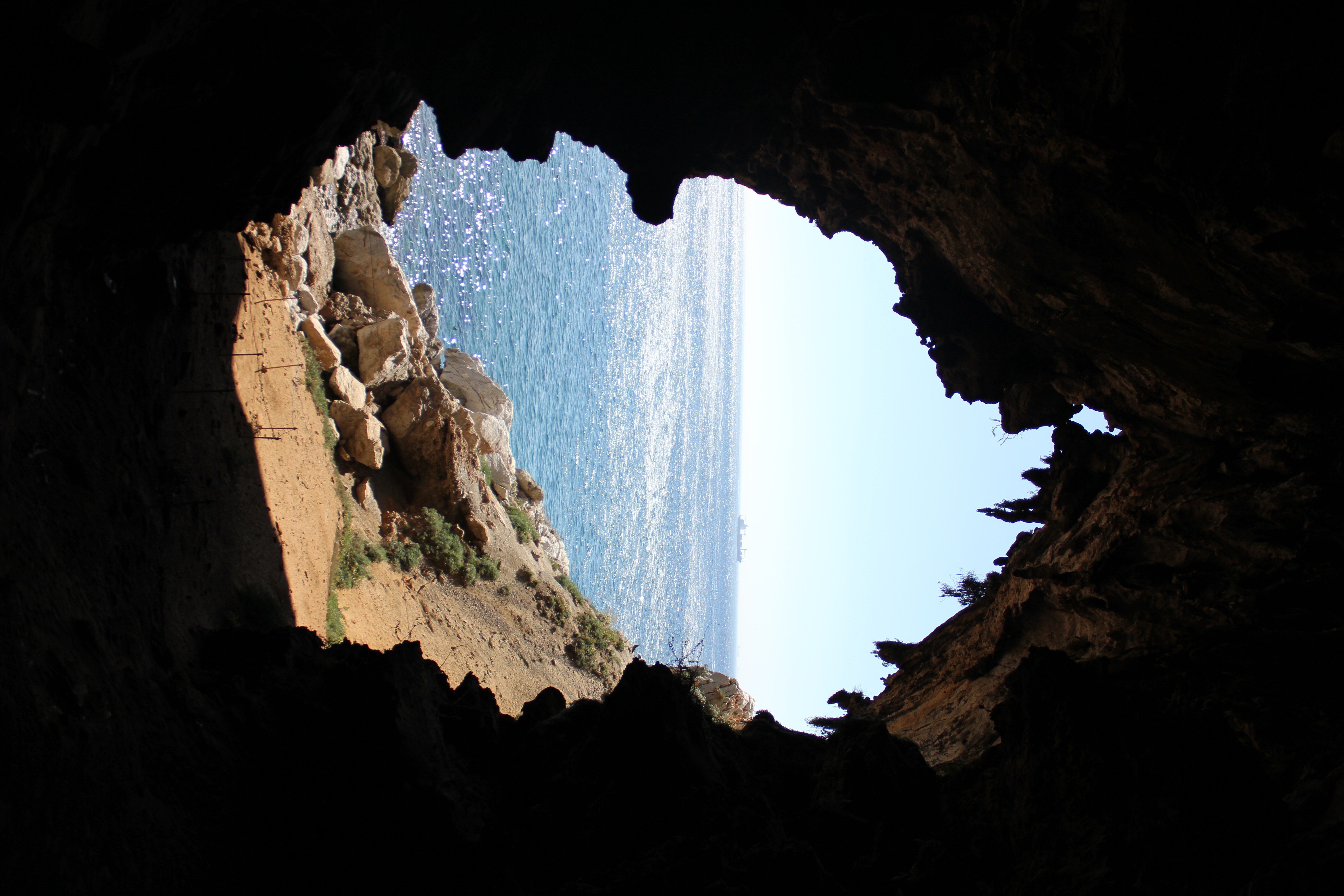
Photo: John Cummings, CC BY-SA 3.0, via Wikimedia Commons
Gorham's Cave is a sea-level cave located on the eastern face of the Rock of Gibraltar, overlooking the Mediterranean Sea. The cave extends approximately 40 meters deep into the limestone cliff and has provided one of the most significant archaeological windows into Neanderthal behavior and cognition. Today, visitors can observe the cave opening where our ancient cousins lived for tens of thousands of years, with excavation areas protected by viewing barriers. The site represents the last known refuge of Neanderthal populations in Europe, making it a crucial location for understanding human evolution and the transition between archaic and modern human populations.
Timeline
Earliest evidence of Neanderthal occupation begins at Gorham's Cave
Creation of geometric engravings on cave floor, representing earliest known Neanderthal symbolic art
Final Neanderthal occupation ends, marking one of the last refuges of the species
Cave first explored by modern researchers
International team announces discovery of hashtag-like engravings, revolutionizing understanding of Neanderthal cognition
What the Show Claims
- ›Neanderthals possessed symbolic intelligence comparable to modern humans, suggesting multiple intelligent species coexisted on EarthS10E05
- ›The cross-hatched engravings represent evidence of advanced cognitive abilities that theorists connect to possible extraterrestrial influence on human developmentS10E05
- ›The site demonstrates that intelligence may not be unique to Homo sapiens, supporting theories of multiple intelligent species on EarthS10E05
From the Transcripts
“Inside Gorham's Cave on the edge of the Mediterranean Sea, anthropologists announce a finding that fundamentally changes our understanding of early human history.”
What Archaeology Says
Systematic excavations at Gorham's Cave have revealed one of the longest continuous sequences of Neanderthal occupation in Europe, spanning approximately 100,000 years. The cave's stratified deposits contain evidence of sophisticated tool-making, controlled use of fire, and dietary practices that included marine resources — demonstrating remarkable adaptability to coastal environments.
The groundbreaking 2014 discovery by an international team led by researchers from the Gibraltar Museum changed our understanding of Neanderthal cognitive abilities. Deep within the cave floor, archaeologists uncovered a series of deliberately carved lines forming geometric patterns, including what appears to be a hashtag or grid design. Dating techniques confirmed these engravings were created at least 39,000 years ago, predating the arrival of anatomically modern humans in the region by several thousand years.
Mainstream archaeological consensus interprets these engravings as the earliest known example of Neanderthal symbolic behavior, representing a quantum leap in our understanding of their cognitive capabilities. The deliberate nature of the carving, requiring significant time and effort to create, suggests symbolic thinking rather than random scratching or practical tool maintenance.
What remains genuinely mysterious is the intended meaning of these geometric patterns and whether they represent isolated artistic expression or evidence of a broader symbolic culture among late Neanderthal populations. The cave continues to yield new discoveries, and ongoing excavations may reveal additional evidence of symbolic behavior that could further revolutionize our understanding of our closest evolutionary relatives.
Mysteries & Fun Facts
The cave served as one of the very last refuges for Neanderthal populations in Europe before their extinction around 28,000 years ago
Gibraltar's caves have yielded some of the first Neanderthal remains ever discovered, including the famous Gibraltar 1 skull found in 1848
The geometric engravings required an estimated 60 deliberate strokes to create, indicating planned symbolic behavior rather than accidental markings
Marine shells and dolphin bones found in the cave suggest Neanderthals were sophisticated coastal foragers who exploited marine resources
Planning a Visit
Gorham's Cave is generally accessible to visitors as part of organized tours through the Gibraltar Museum, though access may be restricted during ongoing archaeological work. The cave is located within the Gibraltar Nature Reserve, and visitors should check with local tourism authorities for current availability and booking requirements.
Gibraltar Town, less than 2 kilometers from the cave site.
The Mediterranean climate makes Gibraltar pleasant year-round, though spring and autumn offer the most comfortable temperatures for exploring outdoor archaeological sites.
Related Sites
Cave of Altamira
Another prehistoric cave site featuring early symbolic art that challenges our understanding of ancient human cognition
Gobekli Tepe
An ancient site that demonstrates sophisticated symbolic and religious behavior in prehistoric populations
Çatalhöyük
An early settlement that reveals complex prehistoric human societies and their symbolic practices