Cuenca (Father Crespi Collection)
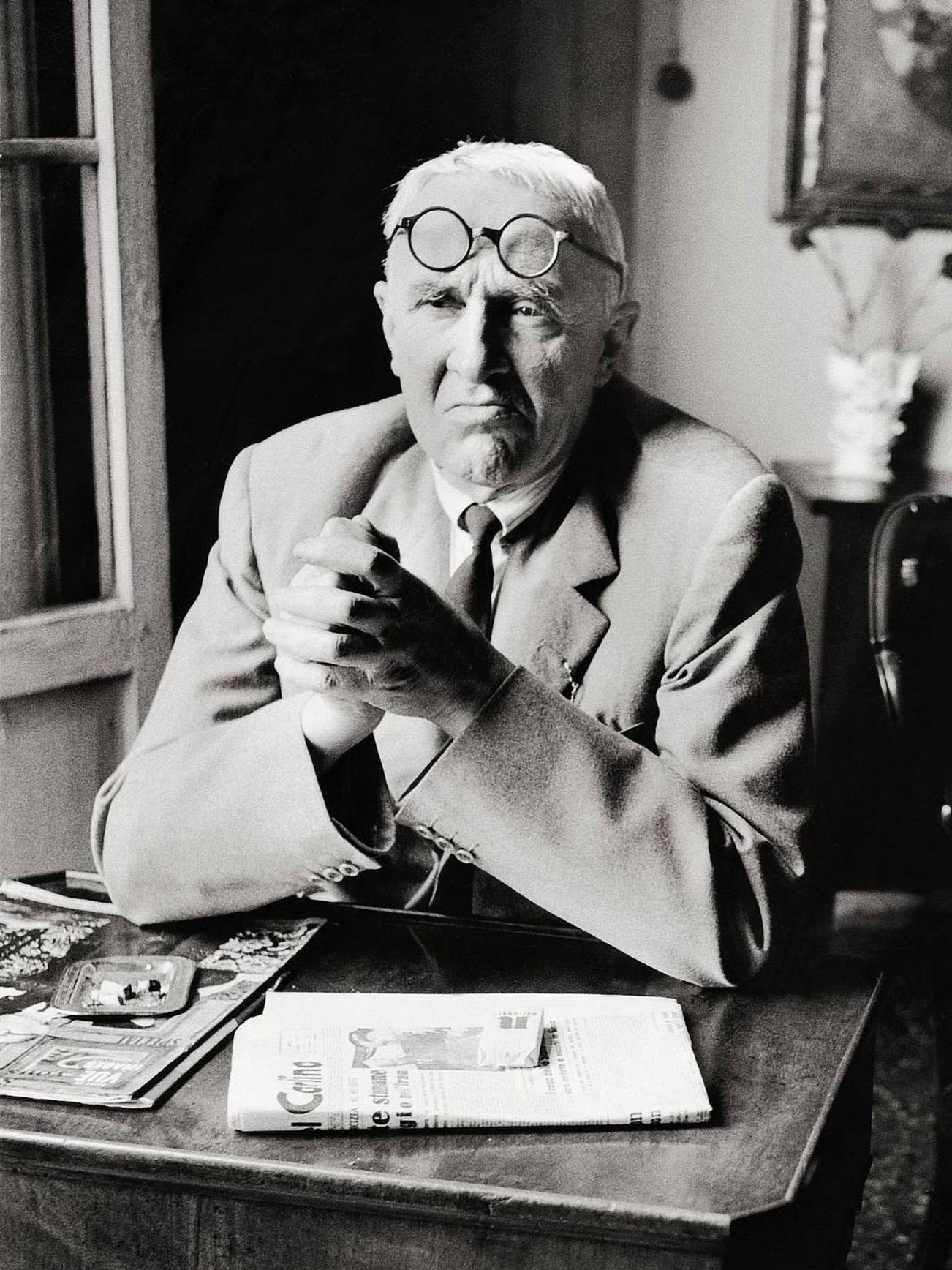
Photo: AnonymousUnknown author / Imagno, Public domain, via Wikimedia Commons
The Father Crespi Collection was housed in the Salesian Museum in Cuenca, Ecuador, where Italian missionary Father Carlo Crespi displayed thousands of metallic artifacts allegedly given to him by indigenous Shuar people from the Amazon rainforest. The collection reportedly contained over 50,000 items including gold plates, stone tablets, and metal objects bearing unusual symbols and inscriptions. Cuenca itself sits at approximately 2,560 meters above sea level in the Andes Mountains, making it one of Ecuador's highest major cities. The artifacts were displayed in cramped quarters within the mission, attracting international attention before most of the collection mysteriously disappeared following Crespi's death in 1982. Ancient astronaut theorists suggest the collection's metallic artifacts and inscribed tablets represent evidence of contact with an advanced or otherworldly intelligence, pointing to their unusual symbolism and the mystery surrounding the collection's disappearance as support for this hypothesis. However, archaeologists and anthropologists note that the Shuar and other Amazonian cultures possessed sophisticated metalworking traditions spanning centuries, and that without proper scientific documentation or provenance for most items, determining their authentic origins and cultural context remains difficult. The loss of the collection before modern authentication could take place has made independent verification of the artifacts' age, composition, and meaning impossible—leaving questions about their significance open to interpretation.
Timeline
Father Carlo Crespi arrives in Ecuador as a Salesian missionary
Shuar people begin bringing metallic artifacts to Father Crespi at his mission
Erich von Däniken publishes 'The Gold of the Gods,' bringing international attention to the collection
Father Crespi dies, and most of his artifact collection subsequently disappears
What the Show Claims
- ›Elaborate metallic artifacts display symbols and craftsmanship from an unknown advanced or extraterrestrial cultureS02E04
- ›Some tablets bear unreadable writing possibly linked to the metal library of Tayos cavesS02E04
- ›The sophisticated metallurgy and symbolic content suggest contact with extraterrestrial visitorsS02E04
Theorist Takes
“And one of the presents which the old priest received is a tablet with 36 writings. It's metallic tablet. No one until today was able to translate these writings.”
From the Transcripts
“In 1975, Hall traveled to Cuenca to see father Crespi's collection with his own eyes.”
What Archaeology Says
Father Paolo Carlo Crespi, an Italian Catholic missionary who arrived in Ecuador in the early 20th century, spent decades collecting artifacts that indigenous Shuar people brought to his Salesian mission in Cuenca. The Shuar, traditionally living in the Amazon rainforest regions, allegedly discovered these items in caves and remote locations, presenting them to the priest as gifts or trades. The collection grew to enormous proportions, with estimates suggesting over 50,000 individual pieces ranging from small ornamental objects to large stone tablets.
When author Erich von Däniken featured the collection in his 1973 book 'The Gold of the Gods,' international attention focused on the unusual symbols, inscriptions, and apparent metallurgical sophistication of many pieces. Von Däniken claimed the artifacts represented evidence of ancient extraterrestrial contact, pointing to symbols that resembled modern technological concepts and writing systems unknown to pre-Columbian cultures. However, mainstream archaeologists who examined photographs and limited samples expressed skepticism about the artifacts' authenticity and age.
The scientific consensus among researchers who studied the collection was hampered by limited access and documentation. Many archaeologists noted that the artifacts showed signs of modern tooling and materials inconsistent with pre-Columbian craftsmanship. Additionally, the lack of proper archaeological context — since the items were collected by indigenous people rather than excavated scientifically — made authentication extremely difficult. Some scholars suggested that at least portions of the collection might have been modern reproductions or tourist items.
What remains genuinely mysterious is the ultimate fate of the collection itself. Following Father Crespi's death in 1982, most of the artifacts disappeared, with only a small fraction reportedly retained by the Catholic Church or private collectors. This disappearance has made any definitive scientific analysis impossible, leaving questions about the true nature, age, and origin of these controversial artifacts permanently unanswered.
Mysteries & Fun Facts
Father Crespi reportedly stored artifacts in every available space of his mission, including hanging metal plates from the ceiling and stacking stone tablets along the walls
The collection allegedly included a metal library with thousands of thin gold sheets covered in unknown script, similar to claims about the nearby Tayos caves
Some artifacts in the collection bore symbols that appeared to depict modern concepts like airplanes, astronauts, and electronic circuits
Cuenca, where the collection was housed, is known as the 'Athens of Ecuador' for its colonial architecture and cultural significance
Planning a Visit
The original Father Crespi Collection is no longer accessible to visitors, as most artifacts disappeared after 1982. The Salesian Museum in Cuenca may still display some remaining pieces, though access requires contacting the local Catholic mission directly. Cuenca's historic center, a UNESCO World Heritage site, offers numerous other cultural attractions for visitors interested in Ecuador's colonial and indigenous heritage.
Cuenca is Ecuador's third-largest city and serves as the regional capital, approximately 350 kilometers south of Quito.
Cuenca enjoys a pleasant year-round climate due to its high-altitude location, with temperatures typically ranging from 50-70°F (10-21°C). The dry season from June to September offers the best weather for exploring the city's cobblestone streets and colonial architecture.
Related Sites
Plain of Jars
Both sites feature mysterious ancient artifacts whose origins and purposes remain hotly debated by researchers
Stone Spheres of Costa Rica
Like the Crespi artifacts, these stone spheres represent sophisticated craftsmanship that challenges conventional understanding of pre-Columbian capabilities