National History Museum of Transylvania
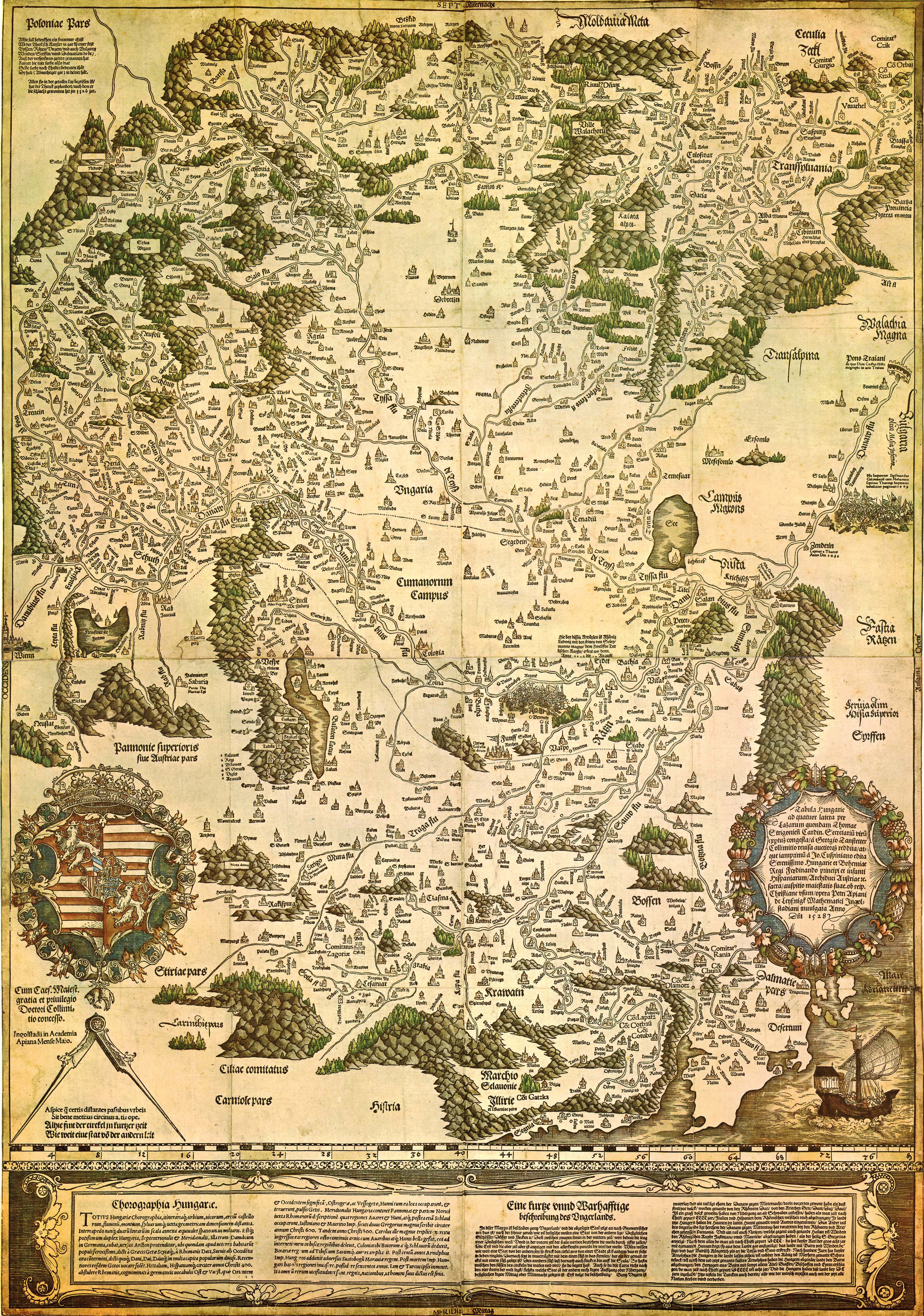
Photo: Lázár deák (Lazarus secretarius), Public domain, via Wikimedia Commons
The National History Museum of Transylvania in Cluj-Napoca houses one of archaeology's most perplexing artifacts: the Wedge of Aiud, an aluminum alloy object discovered in 1970 alongside mammoth bones at a depth of approximately 10 meters. The museum building itself serves as a repository for Transylvanian archaeological finds, but it's the mysterious wedge-shaped artifact that has captured international attention. The object measures approximately 21 centimeters long, 12.5 centimeters wide, and 7 centimeters thick, with a thick oxide patina suggesting considerable age. Located in Cluj-Napoca, Romania's second-largest city, the museum sits in the heart of Transylvania, a region renowned for its rich archaeological heritage spanning from prehistoric times to the medieval period. Ancient Aliens theorists, including Erich von Däniken, have proposed that the wedge's aluminum composition—an element not industrially smelted until the 1800s—suggests an extraterrestrial origin, potentially as a spacecraft component. However, archaeologists and metallurgists point to alternative explanations: the object may be a modern artifact that infiltrated the excavation site through natural soil disturbance, or it could represent an undocumented historical alloy experiment, though its true provenance remains unconfirmed despite multiple analyses. The museum's decision to keep the artifact largely out of public view has only deepened the mystery, leaving the Wedge of Aiud as one of archaeology's genuinely unresolved puzzles.
Timeline
Woolly mammoths roamed the Mures River region during the late Pleistocene epoch
Workers discover the aluminum wedge alongside mammoth bones while excavating along the Mures River banks
Initial scientific analysis of the artifact begins, with results proving baffling to researchers
What the Show Claims
- ›The Wedge of Aiud is an extraterrestrial spacecraft component, as aluminum smelting was not developed until the 1800s but the object was found with prehistoric mammoth bonesS12E02
- ›The thick patina on the object is consistent with great age, suggesting it could predate human aluminum production by thousands of yearsS12E02
- ›Museum curators acknowledge the object's terrestrial origin cannot be definitively establishedS12E02
Theorist Takes
“I've known about this thing since the early 1990s, and I have to tell you that looking at it in person was a dream come true. And it's a very strange thing. I mean, how do you explain this?”
From the Transcripts
“at the National History Museum of Transylvania, ancient astronaut theorists Giorgio Tsoukalos and Erich von Daniken were offered a rare opportunity to get a firsthand look at the Wedge of Aiud.”
“The Wedge of Aiud, as it would become known, is sent to the National Museum of Transylvanian History. And because it cannot be explained, it is quickly removed from public view.”
What Archaeology Says
The discovery of the Wedge of Aiud in 1970 immediately presented archaeologists with an unprecedented puzzle. Workers excavating along the Mures River near Aiud unearthed the object at a depth of approximately 10 meters, embedded in the same geological layer as woolly mammoth bones that were later dated to the Pleistocene epoch. The find was particularly striking because the object appeared to be made of aluminum alloy, yet it was discovered in sediment layers that should predate human aluminum production by thousands of years.
Scientific analysis of the wedge has revealed a composition primarily of aluminum with trace amounts of copper, lead, tin, zirconium, cadmium, nickel, zinc, cobalt, bismuth, and silver. The object's surface bears a thick oxide patina that would typically require extended exposure to atmospheric conditions over considerable time. Romanian researchers have conducted multiple examinations, but the artifact's origins remain unexplained through conventional archaeological frameworks.
The scientific consensus has been cautious, with most researchers suggesting two primary possibilities: either the object is of more recent origin and became embedded in older geological layers through unusual preservation circumstances, or it represents something genuinely anomalous that challenges current understanding of ancient metallurgy. The artifact has been kept largely out of public view at the National History Museum of Transylvania, with only limited access granted to researchers.
What remains genuinely unknown is how an aluminum object came to be buried alongside Pleistocene-era mammoth remains. The geological context of the discovery appears sound, with no evidence of later disturbance that might explain how a modern object could have migrated to such depths. This has left the artifact in a unique category of archaeological finds that resist conventional explanation while remaining too limited in scope to definitively support extraordinary theories about its origins.
Mysteries & Fun Facts
The Wedge of Aiud weighs approximately 2.3 kilograms and shows evidence of being part of a larger mechanism
Aluminum was so rare in the 19th century that Napoleon III served his most honored guests with aluminum utensils while lesser guests used gold
The Mures River region where the wedge was found has yielded numerous archaeological discoveries spanning millennia
The object's unusual composition includes nine different metals, a complexity that would be challenging even for modern metallurgy
Planning a Visit
The National History Museum of Transylvania is generally accessible to visitors, though the Wedge of Aiud is not typically on public display. The museum houses extensive collections of Transylvanian archaeological finds, and visitors interested in the artifact should inquire about special viewing arrangements.
Cluj-Napoca (the museum is located within the city center)
Cluj-Napoca experiences a continental climate, with late spring through early fall offering the most comfortable weather for museum visits and exploring the historic city center.
Featured Locations2 sites within this area
Mures River site / National History Museum of Transylvania, Aiud
RomaniaNational Museum of Transylvanian History, Cluj-Napoca
RomaniaTheorists claim the Wedge of Aiud was deliberately removed from public display at this museum because it cannot be explained by conventional science. The museum's own curator is quoted acknowledging its puzzling nature and the difficulty of interpreting it.
Related Sites
Roswell
Like the Wedge of Aiud, Roswell represents a focal point for theories about extraterrestrial artifacts and unexplained technological objects
Tunguska explosion site
The Tunguska site, like Aiud, involves a mysterious object or event that left physical evidence challenging conventional scientific explanation
Gobekli Tepe
Gobekli Tepe shares the theme of archaeological discoveries that push back the timeline of human technological capabilities