Anjaneri Cave
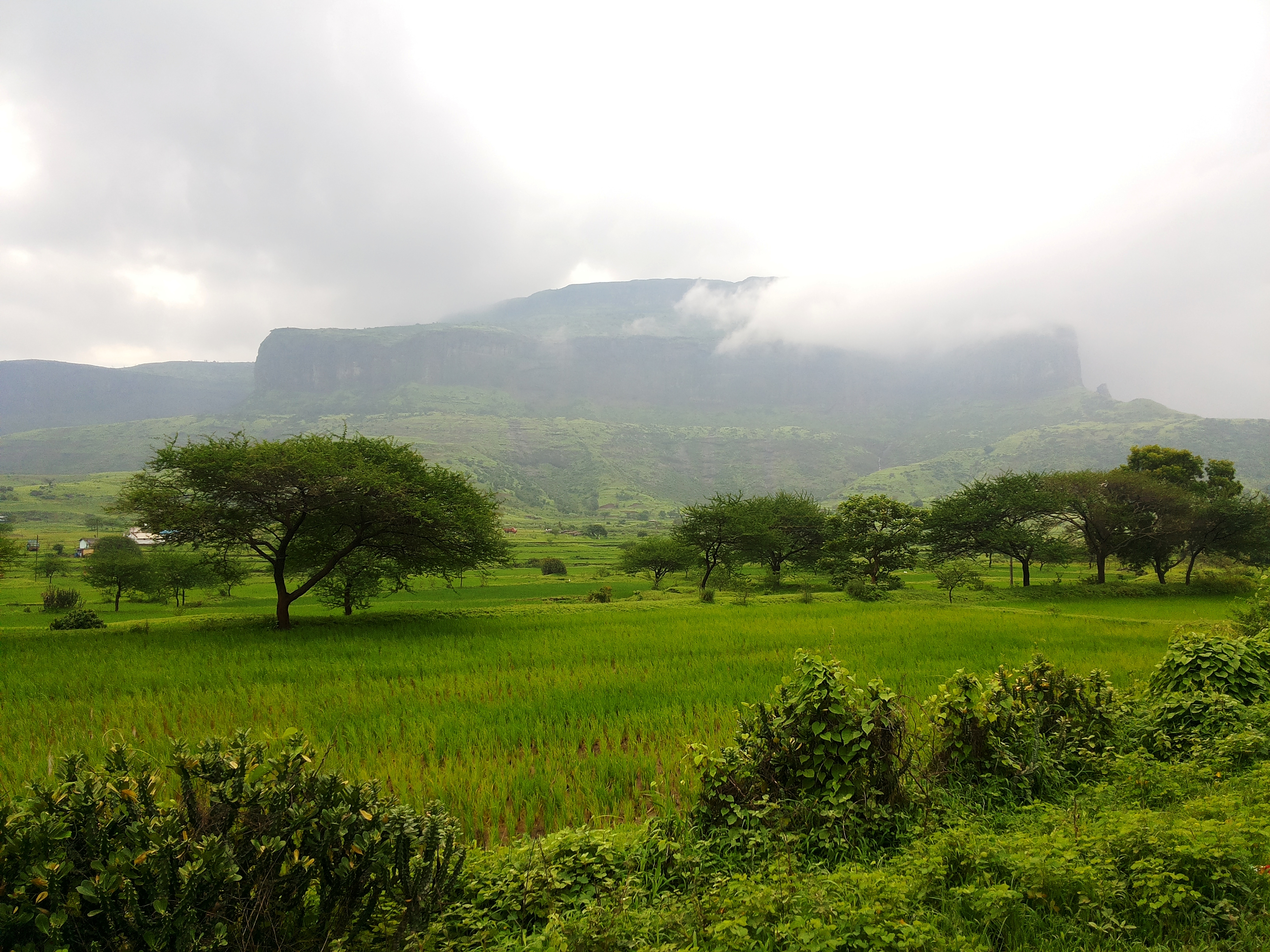
Photo: Coolgama, CC BY-SA 4.0, via Wikimedia Commons
Anjaneri Cave sits atop a hill near Nashik in Maharashtra, India, believed by Hindu tradition to be the sacred birthplace of Hanuman, the monkey deity of the Ramayana epic. The site rises approximately 4,264 feet above sea level, offering panoramic views of the surrounding Sahyadri mountain range. Pilgrims climb roughly 3,000 stone steps carved into the mountainside to reach the cave complex, which features natural rock formations and ancient carved chambers. The cave itself is relatively small, with the main sanctum estimated to measure about 15 feet in length, though multiple smaller chambers and niches have been carved into the rock face over centuries.
Timeline
Believed period when Ramayana traditions associated this site with Hanuman's birth
Buddhist and Jain monks likely used these caves for meditation and worship
Hindu pilgrimage traditions became firmly established at the site
What the Show Claims
- ›Ancient astronaut theorists point to the birthplace cave of Hanuman near Anjaneri as evidence of ancient extraterrestrial genetic manipulation, arguing that Hanuman's divine parentage and superhuman abilities reflect a real hybridization of mortal and alien DNAS08E09
From the Transcripts
“Anjaneri, India. Two miles outside this small village, in a cave surrounded by forests and mountains, is where many believe one of Hindu mythology's greatest heroes was born: Hanuman.”
What Archaeology Says
Archaeological investigation at Anjaneri has been limited, with most scholarly attention focused on the site's religious and cultural significance rather than systematic excavation. The cave complex shows evidence of human modification over many centuries, with carved niches, platforms, and water collection systems that suggest sustained religious use. Some researchers believe the site may have served Buddhist or Jain communities before becoming primarily associated with Hindu worship, as evidenced by the architectural style of certain carvings.
The rock-cut chambers display techniques consistent with other cave complexes in the Western Ghats region, though no major archaeological survey has been published detailing the site's construction phases. Local tradition and inscriptional evidence suggest continuous pilgrimage activity for at least a millennium, but the exact dating of the various modifications remains unclear. The site's elevation and natural cave formation would have made it an attractive location for ascetic practices across multiple religious traditions.
What remains genuinely unknown is the precise chronology of religious activity at Anjaneri, as well as any potential pre-Hindu use of the caves. The lack of comprehensive archaeological documentation means that claims about the site's ancient origins rest primarily on religious tradition rather than material evidence. The relationship between the natural cave formations and human modifications also requires further study to understand how the site evolved from a natural shelter to a pilgrimage destination.
Mysteries & Fun Facts
The name 'Anjaneri' derives from 'Anjana,' believed to be Hanuman's mother in Hindu tradition
The site attracts thousands of pilgrims during Hanuman Jayanti celebrations each year
The cave complex includes natural water springs that are considered sacred by devotees
Local tradition holds that the footprints visible in the rock are those of baby Hanuman
Planning a Visit
Anjaneri is generally accessible to visitors, though the climb involves approximately 3,000 stone steps and can be challenging for those not in good physical condition. Local guides are typically available at the base of the hill, and basic facilities like water and snacks can be found along the route.
Nashik, approximately 20 kilometers away
The cooler months from October to March offer the most comfortable climbing conditions, while monsoon season (June-September) can make the steps slippery and dangerous.
Related Sites
Kailasa Temple
Another remarkable rock-cut Hindu temple complex in India with claims of supernatural construction abilities
Chichen Itza - Kukulkan Temple
Features a deity (Kukulkan/Quetzalcoatl) with similar divine attributes and flying abilities as Hanuman
Lalibela Rock-Hewn Churches
Rock-hewn religious site with traditions of divine intervention in its creation