Tully, Queensland crop circle site
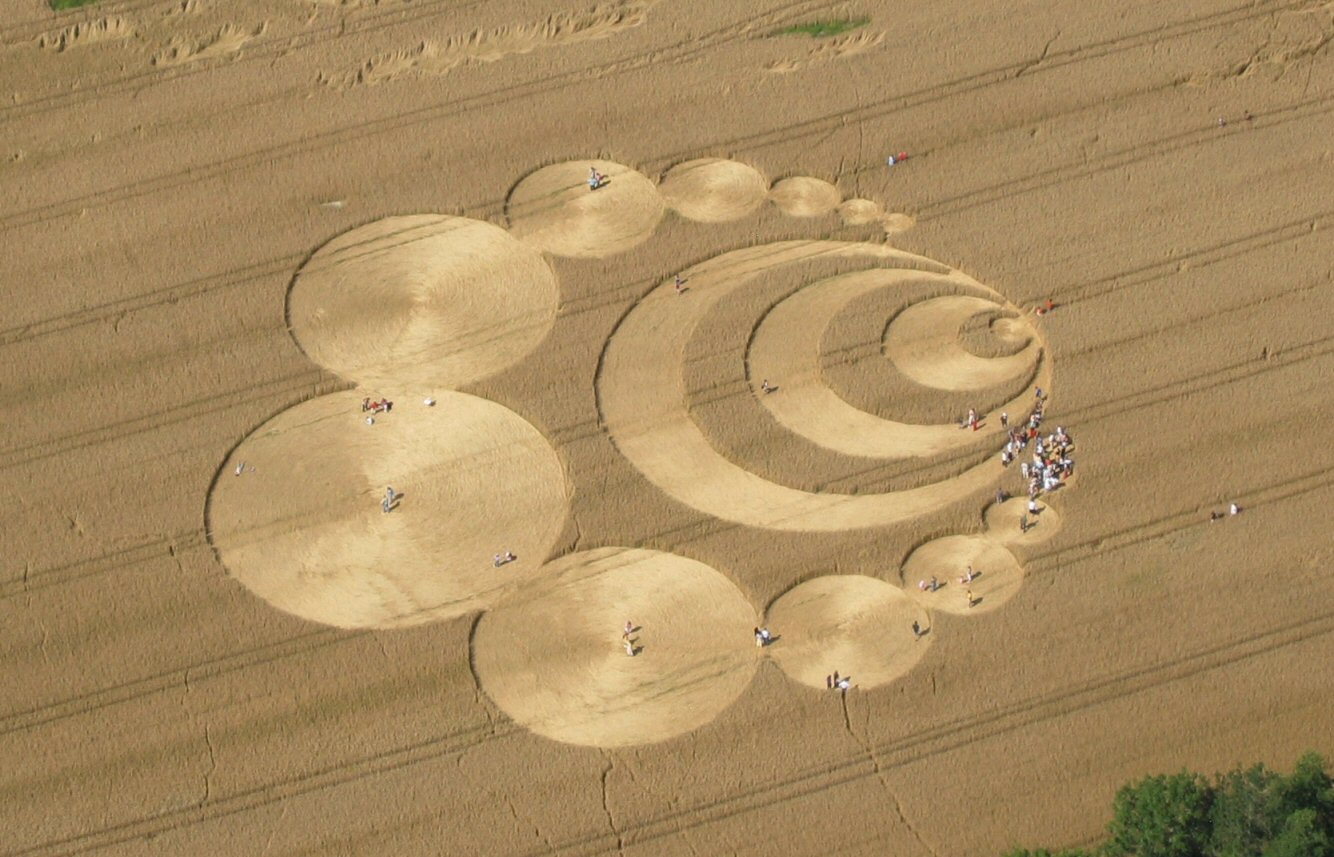
Photo: Jabberocky, Public domain, via Wikimedia Commons
The Tully crop circle site, located in far north Queensland near the town of Tully, is the location of one of Australia's earliest documented crop formation incidents. In January 1966, banana farmer George Pedley reported discovering a circular depression approximately 30 feet in diameter in the marshy reeds at Horseshoe Lagoon. The site sits in the tropical wetlands region approximately 140 kilometers south of Cairns, where the Tully River meanders through sugar cane plantations and natural marshlands. Today, the original lagoon area remains largely unchanged, though the exact location of Pedley's discovery has been obscured by decades of natural growth and seasonal flooding patterns. Ancient astronaut theorists suggest the 1966 incident represents evidence of extraterrestrial craft visiting Earth, pointing to Pedley's account of a disk-shaped object rising from the lagoon as proof of non-human activity in the region. However, mainstream researchers attribute the formation to more conventional explanations, including natural phenomena such as whirlwinds, equipment damage, or misidentification of unusual weather events—phenomena that were not well-documented in tropical Australia during that era. The Tully case remains significant as an early documented crop circle report, though its precise cause continues to be debated among researchers studying unusual ground formations.
Timeline
Banana farmer George Pedley reports witnessing a disk-shaped craft rising from Horseshoe Lagoon and discovering a circular depression in the reeds
Initial investigation by local police and media brings national attention to the Tully incident
The Tully case becomes referenced in early UFO research literature as foundational crop circle evidence
Site continues to be studied by researchers investigating early crop formation phenomena
What the Show Claims
- ›The 1966 Tully incident represents one of the earliest documented crop circle events with witness testimonyS10E01
- ›The circular impression left behind demonstrates characteristics consistent with non-human technologyS10E01
- ›The farmer's account of a disk-shaped craft provides foundational evidence for extraterrestrial involvement in crop formationsS10E01
From the Transcripts
“One of the first, in 1966, it was Tully, Queensland, Australia. A farmer heard a buzzing sound and literally saw this big, round, maybe 30-feet-diameter craft, disk, rising up out of what essentially was marshy, reedy ground.”
What Archaeology Says
Unlike ancient archaeological sites, the Tully location presents unique challenges for traditional investigation methods. The 1966 incident occurred in marshy wetlands where organic material decomposes rapidly in the tropical climate, leaving little physical evidence for long-term study. Initial investigations by local authorities documented the flattened circular area in the reeds, but the dynamic nature of the wetland environment meant that seasonal flooding and vegetation regrowth quickly obscured the original formation.
Researchers who have studied the Tully case focus primarily on witness testimony and contemporary reports rather than physical archaeological evidence. George Pedley's account has been examined by various UFO researchers and skeptics over the decades, with attention paid to the consistency of his story and the environmental conditions that might have created such a formation naturally. The Queensland climate and geography, including seasonal weather patterns and wildlife activity, have been proposed as alternative explanations for the circular depression.
The scientific consensus among mainstream researchers suggests that natural phenomena, including willy-willy (dust devil) activity, animal behavior, or unusual weather events, could account for the circular impression. However, the Tully case remains significant in UFO literature because it predates the widespread crop circle phenomenon that emerged in England during the 1970s and 1980s. What remains genuinely unknown is the exact mechanism that created the formation, as no modern investigations have been able to definitively recreate the described conditions or examine the original site in its 1966 state.
Mysteries & Fun Facts
George Pedley initially kept his sighting secret for several days before reporting it to authorities
The Tully region experiences some of the highest rainfall in Australia, with annual totals often exceeding 4,000mm
The incident occurred during the height of 1960s UFO reporting worldwide, contributing to growing public interest in the phenomenon
Horseshoe Lagoon remains a natural habitat for various bird species and native wildlife despite its notoriety in UFO literature
Planning a Visit
The general area around Tully and Horseshoe Lagoon is accessible to visitors, though the exact location of the 1966 incident is not marked or maintained as a tourist destination. The wetland areas are best viewed from public roads and designated viewing areas, as the marshy terrain can be difficult and potentially dangerous to navigate on foot.
Cairns, approximately 140 kilometers northeast
The dry season from May to October offers the most comfortable conditions for visiting the Tully region, with lower humidity and minimal rainfall. This period also provides better access to rural areas and clearer views of the surrounding landscape.
Related Sites
Wolfe Creek Crater (Kandimalal)
Another significant UFO-related site in Australia that attracts researchers investigating unexplained phenomena
Gosford Glyphs, Brisbane Water National Park
A controversial site in Australia where unusual markings have sparked debates about ancient visitation versus modern creation
Crop Circle Phenomenon Sites (Britain)
The broader crop circle phenomenon that emerged in Britain represents the global context for formation events like the Tully incident