Biblical Ark of the Covenant Location
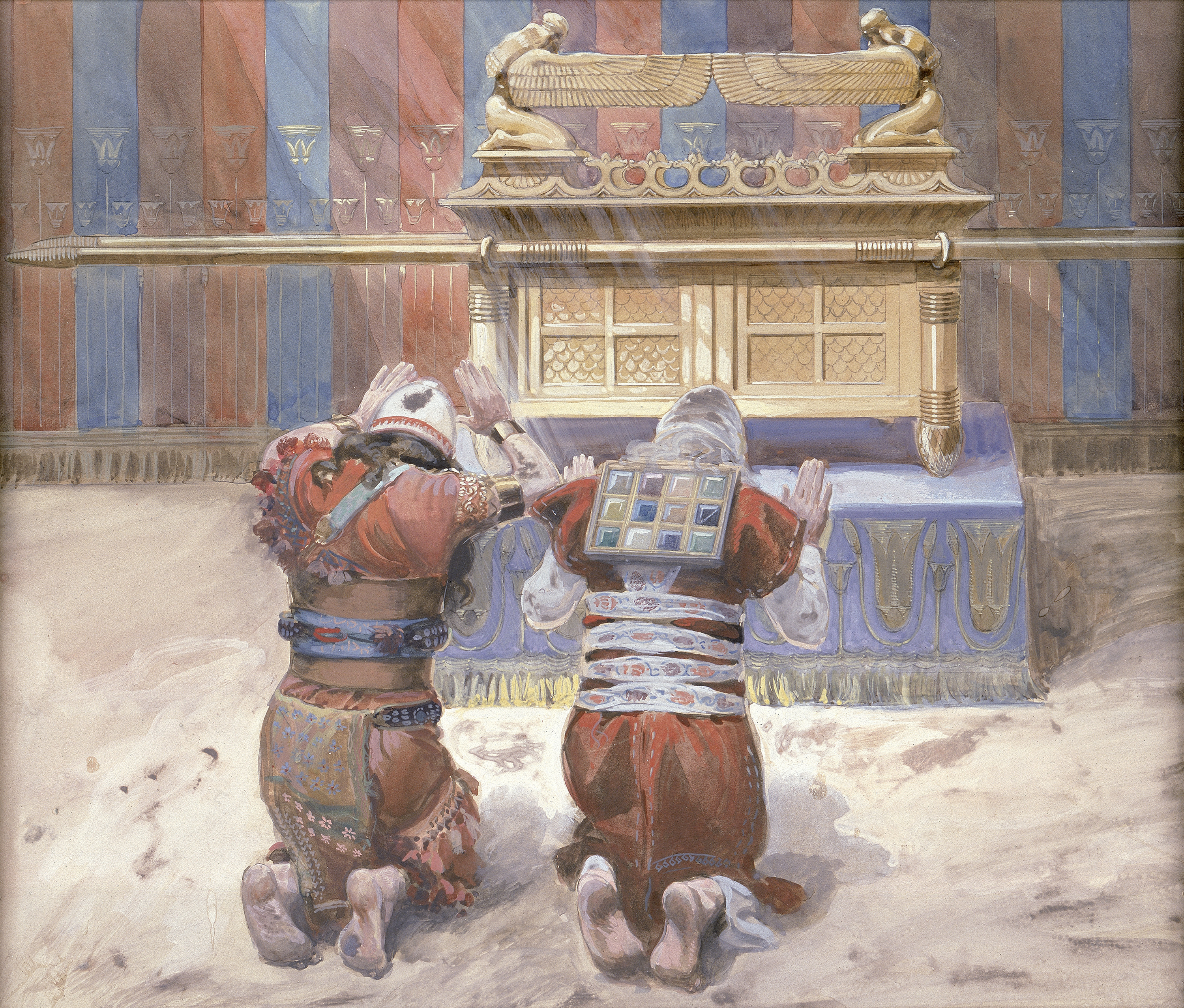
Photo: James Tissot, Public domain, via Wikimedia Commons
The Biblical Ark of the Covenant, according to Hebrew Scripture, was a sacred wooden chest overlaid with gold, measuring approximately 2.5 cubits long by 1.5 cubits wide and high (roughly 4 feet by 2.5 feet). The coordinates point to the general vicinity of ancient Jerusalem, where the Ark was believed to have been housed in Solomon's Temple. No physical remains have been definitively identified, making this one of archaeology's most enduring mysteries. The site represents not a specific excavation point, but rather the historical and spiritual center of ancient Israel where this most sacred object was said to have resided.
Timeline
Ark of the Covenant reportedly constructed during the Exodus according to biblical tradition
Ark believed placed in Solomon's Temple in Jerusalem
Babylonian destruction of Jerusalem and disappearance of the Ark
What the Show Claims
- ›The Ark was a sacred wooden box that could communicate with the heavens, potentially representing ancient extraterrestrial communication technologyS21E04
What Archaeology Says
Archaeological investigations in and around Jerusalem have yielded no definitive physical evidence of the Ark of the Covenant itself. Excavations at the Temple Mount remain severely limited due to religious sensitivities and political restrictions, making systematic archaeological study nearly impossible. The few permitted archaeological surveys have revealed ancient foundation stones and artifacts from various periods of Jerusalem's history, but nothing that can be conclusively linked to the biblical Ark.
Scholars debate whether the Ark was a historical object or primarily a religious symbol. Some researchers suggest it may have been lost during the Babylonian siege of Jerusalem in 586 BC, while others propose it was hidden before the destruction. Ethiopian Orthodox tradition claims the Ark resides in Axum, but this has never been independently verified. Various other locations, from Ireland to Zimbabwe, have been proposed as the Ark's resting place, though none have produced credible archaeological evidence.
The biblical descriptions provide detailed specifications for the Ark's construction, including its acacia wood core, gold overlay, and the mysterious objects it contained. These accounts, while religiously significant, represent literary rather than archaeological sources. Modern biblical archaeology generally approaches such accounts with scholarly caution, recognizing their spiritual importance while maintaining scientific methodology.
What remains genuinely unknown is whether a physical object matching the biblical description ever existed, and if so, what became of it. The absence of archaeological evidence doesn't disprove its historical existence, but neither can its reality be confirmed through material culture. This uncertainty continues to fuel both scholarly investigation and popular speculation about one of history's most famous lost artifacts.
Mysteries & Fun Facts
According to biblical accounts, the Ark contained the stone tablets of the Ten Commandments, Aaron's rod, and a golden pot of manna
Ethiopian Orthodox Christians believe their Church of Our Lady Mary of Zion houses the true Ark, guarded by a single monk
The biblical description specifies that touching the Ark inappropriately would result in death, leading to speculation about possible electrical properties
Raiders of the Lost Ark popularized theories about the Ark's supernatural powers, though these draw more from Hollywood than historical sources
Planning a Visit
The coordinates represent the general area of ancient Jerusalem, accessible to tourists visiting the Old City. The Temple Mount, where the Ark was traditionally housed, can be visited though with restricted access and specific visiting hours for non-Muslims. Visitors can explore the Western Wall area and various archaeological sites throughout Jerusalem's Old City.
Jerusalem, as the coordinates point to the city center itself.
Spring (March-May) and fall (September-November) offer the most comfortable weather for exploring Jerusalem's archaeological sites. Summer can be quite hot, while winter brings occasional rain.
Related Sites
Axum Obelisk
Ethiopian Orthodox tradition claims Axum houses the actual Ark of the Covenant
Temple of the Sun at Teotihuacan
Another sacred site where ancient peoples allegedly communicated with divine or celestial beings
Luxor Temple
Ancient Egyptian temple complex with religious significance and mysterious construction techniques