Iron Age burial site, Kent
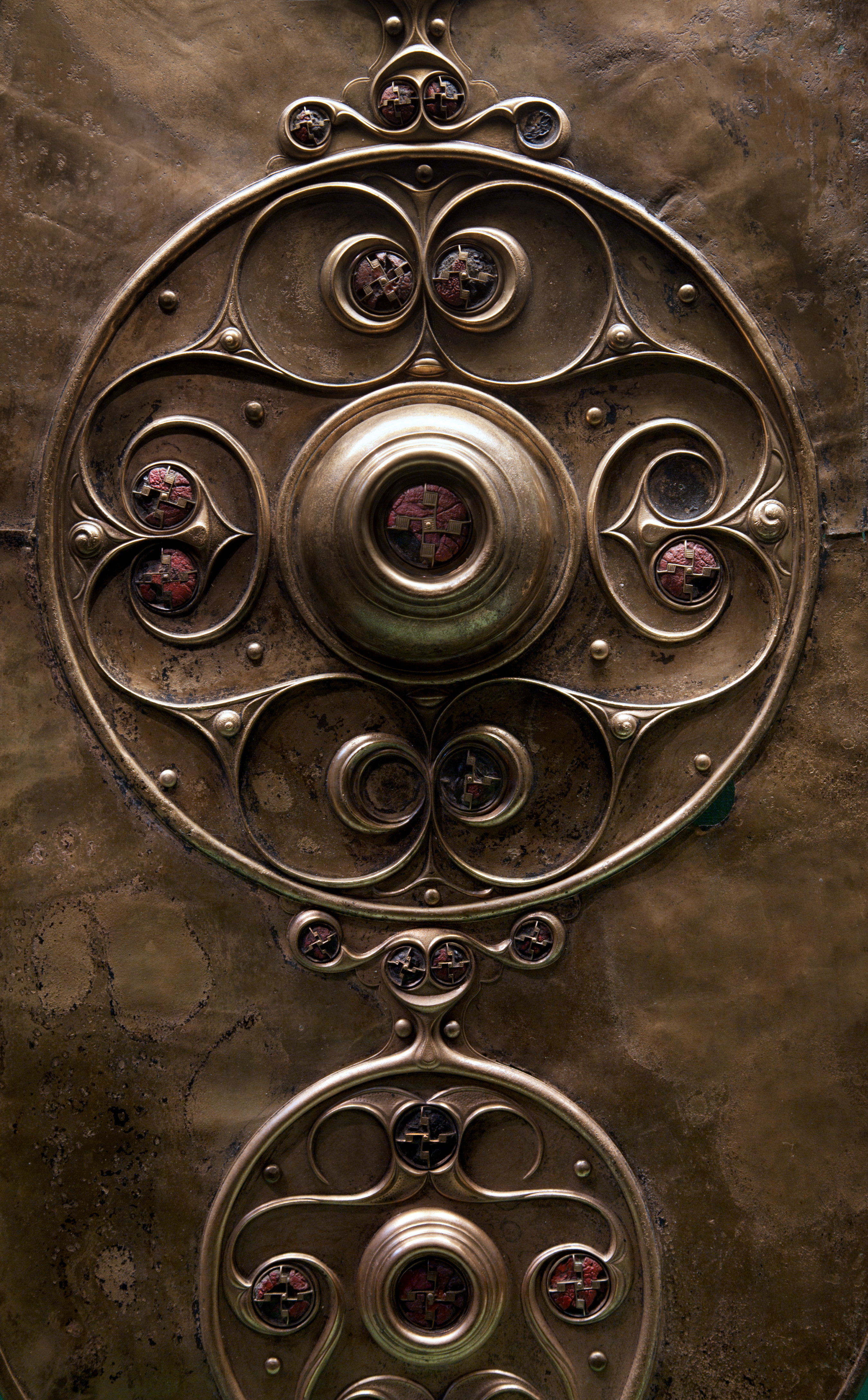
Photo: Jorge Royan, CC BY-SA 3.0, via Wikimedia Commons
The Iron Age burial site in Kent represents one of Britain's most intriguing pre-Roman archaeological discoveries from 1988. Located in the southeastern English countryside, the site yielded a single skeleton dating to approximately the third century BC, distinguished by an ornate bronze crown headdress that suggests high social or religious status. The burial appears to have been carefully positioned and furnished with grave goods typical of Celtic elite burials. The site's location in Kent places it within the tribal territory of the Cantiaci, who controlled this region before Roman conquest, making it a valuable window into pre-Roman British society.
Timeline
High-status individual buried at the site with bronze crown headdress during Iron Age period
Roman conquest of Britain transforms Celtic culture and burial practices in the region
Archaeological excavation uncovers the skeleton with bronze headdress, sparking debate about druidic connections
What the Show Claims
- ›The bronze crown headdress found at the site may represent the first physical remains of a druid, connecting Celtic priests to the extraterrestrial Tuatha Dé DanannS18E17
What Archaeology Says
The 1988 excavation that brought this site to archaeological attention revealed a carefully arranged burial that challenges our understanding of Iron Age Britain. The skeleton, believed to date to the third century BC based on associated grave goods and burial style, was discovered wearing what appears to be a ceremonial bronze headdress or crown. The metalwork demonstrates sophisticated craftsmanship typical of high-status Celtic burials from this period, with intricate designs that may have held religious or ceremonial significance.
The discovery has sparked considerable debate among archaeologists regarding the individual's role in pre-Roman British society. While some researchers suggest the burial goods and positioning indicate a religious leader or druid, others argue that definitive identification remains elusive given the limited physical evidence. The bronze headdress itself represents one of the finest examples of Iron Age metalwork found in southeastern England, though similar crowns or ceremonial headgear from this period are extremely rare in the archaeological record.
Mainstream archaeological interpretation focuses on the burial as evidence of social stratification in Iron Age Britain, where high-status individuals were interred with elaborate grave goods reflecting their earthly position. The careful positioning of the remains and quality of the bronze work suggest this was someone of considerable importance in their community, whether as a tribal leader, religious figure, or skilled craftsperson. However, the specific identity and role of this individual continues to generate scholarly discussion.
What remains genuinely mysterious about this burial is the precise meaning of the bronze headdress and whether it represents religious, political, or ceremonial authority. The rarity of such finds from this period means archaeologists have limited comparative material to fully understand the object's significance within Celtic culture. The site continues to contribute to ongoing research into pre-Roman British society and the complex social structures that existed before Roman conquest transformed the region.
Mysteries & Fun Facts
The bronze headdress represents one of the finest examples of Iron Age metalwork discovered in southeastern England
Kent was the territory of the Cantiaci tribe, who were among the first Britons to encounter Julius Caesar during his invasions in 55-54 BC
Iron Age burial practices in Britain varied significantly by region, with some areas practicing cremation while others, like this site, used inhumation
The third century BC was a period of increasing contact between British tribes and continental European cultures, reflected in burial goods and metalwork styles
Planning a Visit
The specific burial location is generally not accessible to the public, as is typical with archaeological sites that have been fully excavated and studied. The bronze headdress and related finds are believed to be housed in museum collections, though visitors interested in Iron Age Kent can explore regional museums and heritage sites that interpret this period.
Canterbury, approximately 15-20 miles from the general Kent location
For those exploring Iron Age heritage in Kent generally, spring through early autumn offers the best weather for visiting outdoor archaeological sites and museums in the region.
Related Sites
Avebury Stone Circle
Avebury represents another significant pre-Roman British site with possible druidic connections and Celtic religious practices
Silbury Hill
Silbury Hill is a massive Iron Age construction in Britain that demonstrates the sophisticated capabilities of pre-Roman Celtic society
Externsteine
Externsteine in Germany represents another European site where ancient Celtic and Germanic religious practices may have intersected with astronomical knowledge