Ural Mountains Metal Coils Site
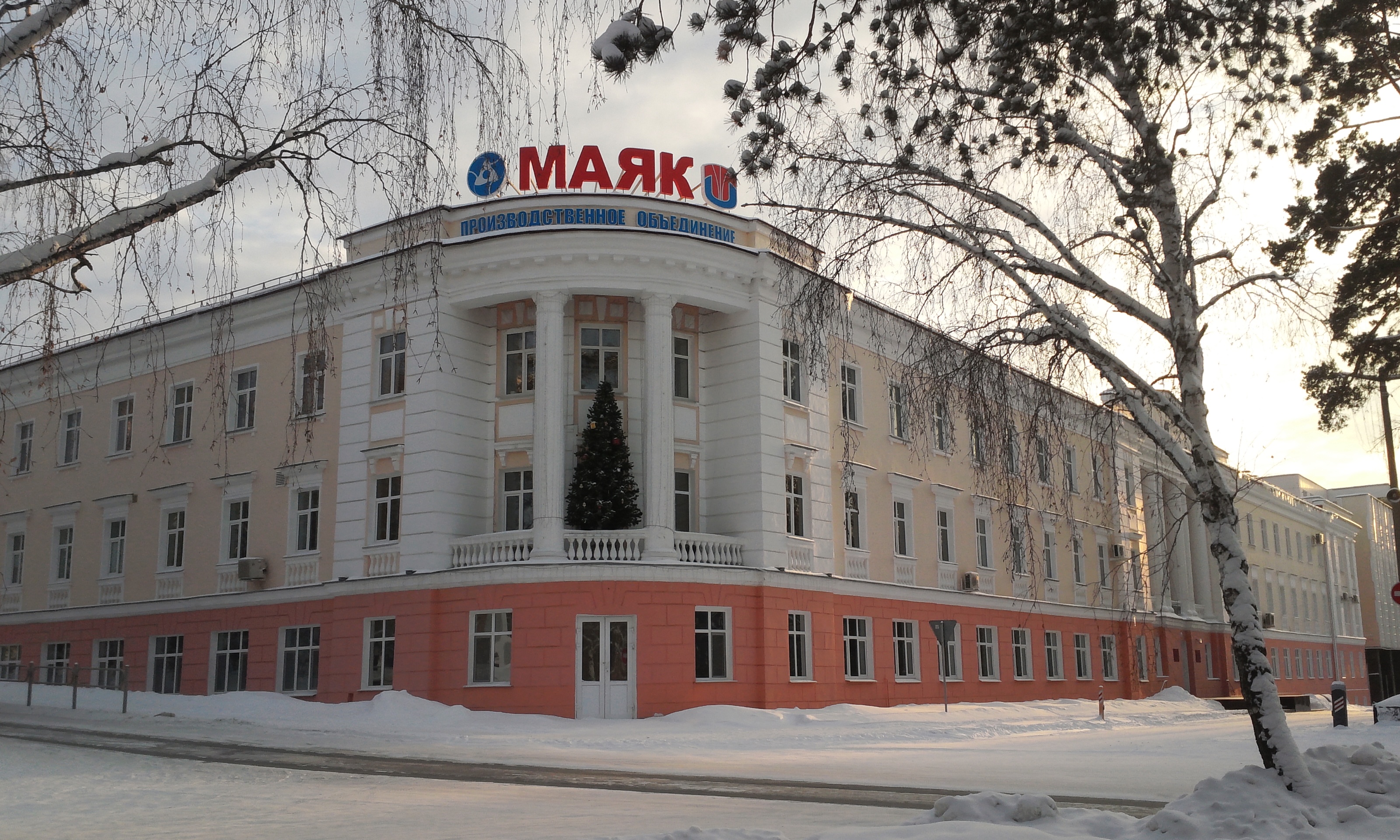
Photo: ScriptMaster, CC BY-SA 4.0, via Wikimedia Commons
The Ural Mountains Metal Coils Site refers to reported discoveries of microscopic metallic objects allegedly found at depths of approximately 30 feet beneath the surface in the Ural Mountains region of Russia. These artifacts are described as tiny coils and spring-like structures, with some reportedly measuring less than a few millimeters in length. The Ural Mountains themselves form a natural boundary between European and Asian Russia, stretching over 1,500 miles from the Arctic Ocean to the steppes of Kazakhstan. The region is known for its rich mineral deposits and has been a center of mining activity for centuries, making it geologically significant for metal extraction and processing.
Timeline
Reported discovery of microscopic metal coils during mining or excavation activities in the Ural Mountains region
Claims about the artifacts begin circulating in alternative archaeology circles
Featured on Ancient Aliens television series as potential evidence of ancient advanced technology
What the Show Claims
- ›Tiny metal coils and springs found 30 feet beneath the Ural Mountains indicate advanced ancient technologyS11E12
- ›The microscopic metallic objects may be of extraterrestrial origin due to their sophisticated designS11E12
- ›The artifacts predate known human technological capabilities by thousands of yearsS11E12
What Archaeology Says
The metal coils allegedly discovered in the Ural Mountains remain one of the most poorly documented claims in the field of alternative archaeology. No peer-reviewed scientific papers have been published describing these artifacts, nor have they been subjected to rigorous archaeological excavation protocols or analysis by mainstream academic institutions. The lack of proper documentation makes it impossible to verify basic details about the discovery, including the exact location, depth, geological context, or dating methods used.
Without access to the actual artifacts or detailed excavation records, researchers cannot determine their composition, manufacturing techniques, or age. Standard archaeological practice requires careful stratigraphic analysis, radiometric dating, and microscopic examination to authenticate ancient metalwork. The absence of such documentation raises significant questions about the claims' validity. Professional archaeologists note that extraordinary claims require extraordinary evidence, and the current level of documentation falls well short of scientific standards.
The Ural Mountains region has a long history of metallurgy dating back thousands of years, with well-documented evidence of ancient mining and smelting operations. Indigenous peoples of the region developed sophisticated metalworking techniques over millennia, creating tools, weapons, and decorative objects. However, these established archaeological findings follow proper scientific protocols with detailed documentation, dating, and analysis. The contrast between verified archaeological metalwork and the undocumented coil claims highlights the importance of rigorous scientific methodology.
Until the alleged artifacts can be properly examined, documented, and analyzed using standard archaeological methods, their authenticity, age, and origin remain unverified. The scientific community maintains that extraordinary claims about ancient advanced technology require extensive peer review and replication of findings before they can be accepted as credible archaeological evidence.
Mysteries & Fun Facts
The Ural Mountains contain some of the world's oldest rocks, dating back over 4 billion years
The region is famous for producing the world's largest emeralds and is rich in platinum deposits
The Urals have been called the 'backbone of Russia' due to their role as a geographical and cultural boundary
The mountains are home to over 40 different types of minerals, making them one of the most geologically diverse regions on Earth
Planning a Visit
The Ural Mountains region is generally accessible to visitors, though specific locations where the metal coils were allegedly discovered have not been publicly identified or marked for tourism. The broader Ural Mountains offer numerous hiking trails, mining heritage sites, and natural attractions for those interested in the region's geological and cultural history.
Yekaterinburg, approximately 100-200 miles depending on the specific location within the Ural Mountains region
Summer months from June to August provide the most favorable weather conditions for exploring the Ural Mountains, with milder temperatures and accessible hiking conditions.
Featured Locations2 sites within this area
Ural Mountains (nanoparticle discovery site)
RussiaUral Mountains
RussiaTiny metal coils and springs recovered 30 feet beneath the Ural Mountains may indicate the presence of advanced technology on Earth thousands of years ago, suggesting extraterrestrial influence.
Related Sites
Tunguska explosion site
Another mysterious Russian site associated with unexplained phenomena and alternative theories
Zone of Silence
A location known for alleged anomalous metal discoveries and electromagnetic anomalies
Gobekli Tepe
An ancient site that challenges conventional timelines of human technological development