Monte Alto Colossal Heads
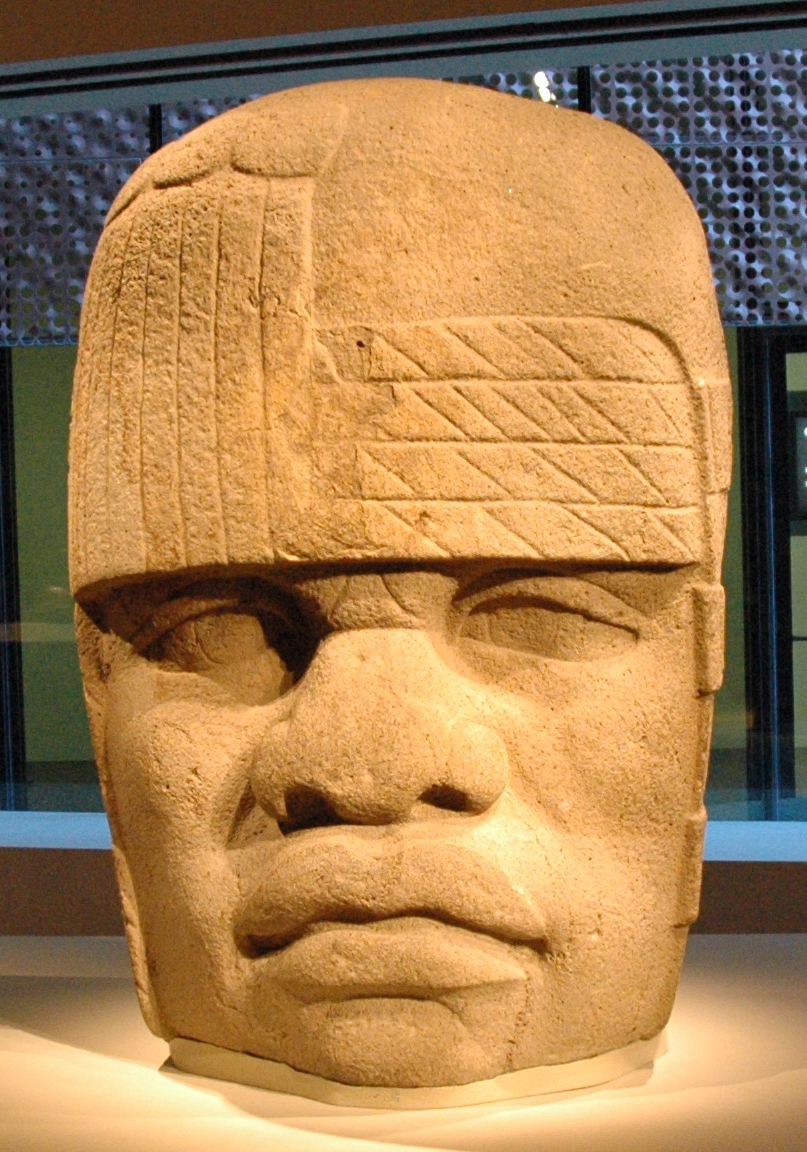
Photo: Marshall Astor (Life on the Edge), CC BY-SA 2.0, via Wikimedia Commons
The Monte Alto Colossal Heads comprise a collection of large basalt stone sculptures created by the Monte Alto culture along Guatemala's Pacific coast. These monumental heads, carved from locally sourced basalt, are believed to represent rulers or deities and stand as some of Mesoamerica's earliest examples of colossal stone portraiture. The sculptures are scattered across several sites in the Monte Alto archaeological zone, with some heads measuring several feet in height and weighing multiple tons. What makes these artifacts particularly intriguing is their documented magnetic properties, with scientific analysis revealing that the basalt used contains naturally occurring magnetic minerals that create measurable magnetic fields around the sculptures. Ancient astronaut theorists point to the magnetic properties of the basalt used in these heads as evidence of deliberate selection guided by otherworldly knowledge, suggesting the Monte Alto culture possessed inexplicable geological sophistication. However, archaeologists note that the Monte Alto people lived in close proximity to these basalt deposits and would have developed detailed knowledge of local stone properties through generations of quarrying and carving—a level of expertise consistent with other sophisticated Mesoamerican cultures. The magnetic anomalies themselves, while scientifically documented, reflect the natural composition of the region's volcanic basalt rather than an anomalous choice of material.
Timeline
Monte Alto culture emerges along Guatemala's Pacific coast, beginning creation of colossal stone heads
Monte Alto sculptural tradition reaches its peak before gradually declining
Modern archaeological investigations begin systematic documentation of Monte Alto sites
Universities conduct magnetic analysis of the stone heads, discovering unusual magnetic properties
What the Show Claims
- ›MIT, Harvard, and Yale researchers discovered unusual magnetic anomalies in the Monte Alto stone heads, with theorists arguing their creators deliberately selected rocks with specific magnetic fieldsS15E05
- ›The sophisticated magnetic selection process could only have come from extraterrestrial instruction, according to ancient astronaut theoristsS15E05
From the Transcripts
“A team of researchers from MIT, Harvard and Yale announce that they have discovered unusual magnetic anomalies within the colossal stone heads attributed to the Monte Alto, a Mesoamerican civilization that emerged around 1800 B.C.”
What Archaeology Says
Archaeological investigations of the Monte Alto culture have revealed a sophisticated society that flourished along Guatemala's Pacific coastal plain from approximately 1800 BC to 400 BC. Excavations at various Monte Alto sites have uncovered not only the famous colossal heads but also smaller sculptures, pottery, and evidence of complex settlement patterns. The culture appears to have been among the earliest in Mesoamerica to develop monumental stone carving traditions, predating the better-known Olmec colossal heads by several centuries.
Key researchers studying the Monte Alto phenomenon include teams from major American universities who conducted systematic magnetic analysis of the sculptures in the early 2000s. Their studies confirmed that the basalt used in creating these heads contains naturally occurring magnetite and other magnetic minerals, creating measurable magnetic fields. The scientific consensus suggests that Monte Alto artisans possessed sophisticated geological knowledge, allowing them to identify and select magnetically active basalt from specific quarry locations.
The construction techniques employed by Monte Alto sculptors demonstrate remarkable skill in working with extremely hard basalt stone using only stone and organic tools available during the pre-Columbian period. Analysis of tool marks and carving patterns suggests the heads were shaped through a combination of pecking, grinding, and polishing techniques that would have required considerable time and specialized knowledge.
What remains genuinely unknown is the exact purpose these heads served within Monte Alto society and the specific cultural significance of their magnetic properties. Whether the magnetic characteristics were deliberately sought for ritual or practical purposes, or simply coincidental to the selection of high-quality carving stone, continues to be debated among researchers studying this remarkable early Mesoamerican culture.
Mysteries & Fun Facts
The Monte Alto colossal heads predate the famous Olmec heads by several centuries, making them among the earliest monumental sculptures in the Americas
Scientific analysis has confirmed that these ancient sculptures generate measurable magnetic fields due to the magnetite content in their basalt composition
The basalt used for the heads was likely quarried from specific volcanic sources known for their magnetic properties
Some Monte Alto heads display distinctive facial features and elaborate headdresses that may represent specific rulers or supernatural beings
Planning a Visit
The Monte Alto archaeological sites are generally accessible to visitors, though some locations may require local guides due to their rural settings along Guatemala's Pacific coast. Visitors should check with local tourism offices for current site accessibility and any required permits, as some heads remain in their original locations while others have been moved to museums or protected areas.
Escuintla, approximately 50 kilometers northeast
The dry season from November to April offers the most favorable conditions for visiting, with less rainfall and better road access to remote archaeological sites.
Related Sites
Stone Spheres of Costa Rica
Another Mesoamerican mystery involving precisely shaped stone artifacts that demonstrate advanced ancient knowledge
Chavín de Huántar
Pre-Columbian site featuring sophisticated stone carving and possible astronomical alignments
Gobekli Tepe
Ancient stone monument complex that predates conventional timeline expectations and challenges understanding of early civilizations