Acoustic Chamber of Malta
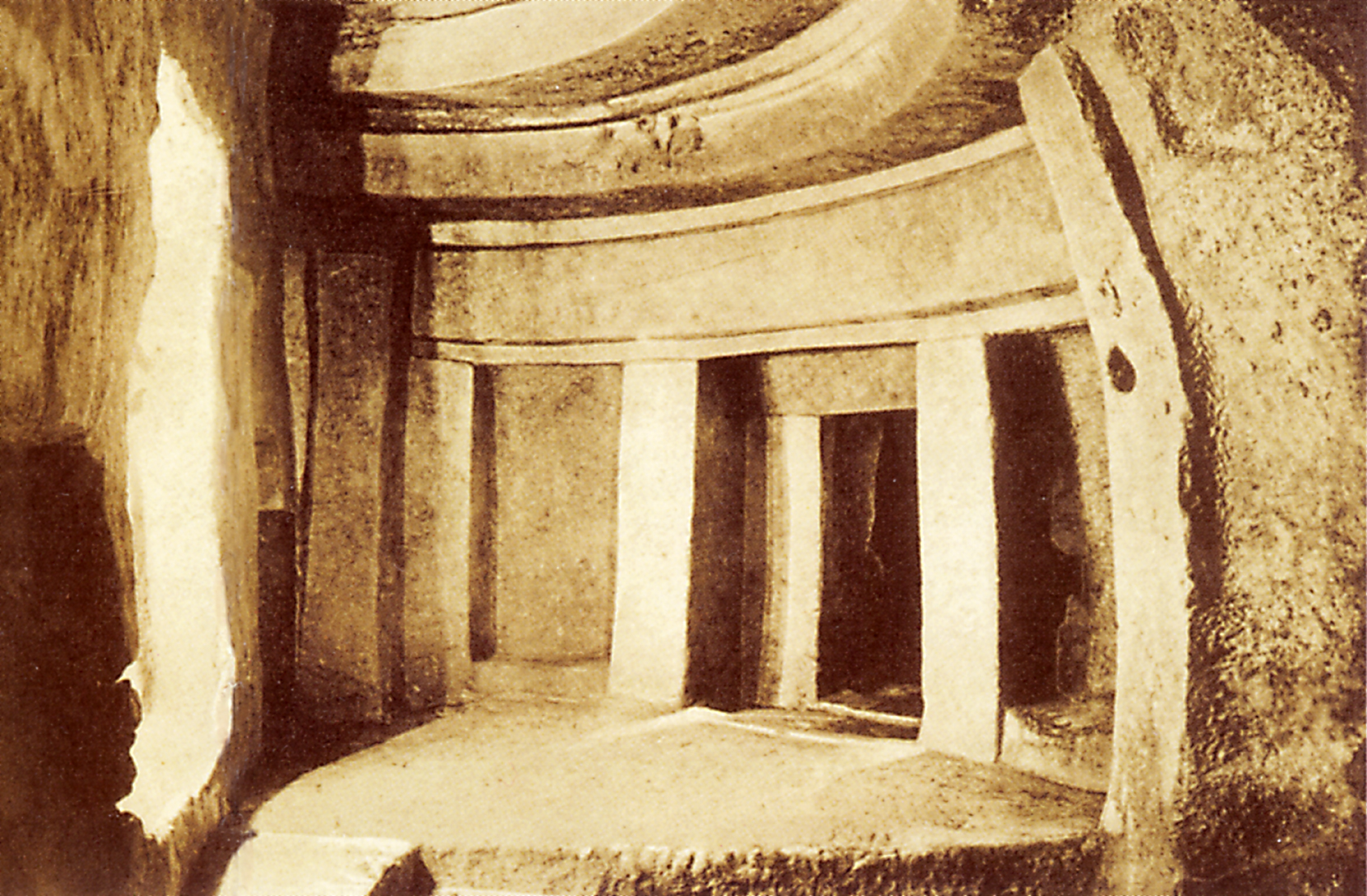
Photo: Richard Ellis, Public domain, via Wikimedia Commons
The Acoustic Chamber of Malta refers to acoustic phenomena found within Malta's remarkable megalithic temple complexes, which are among the oldest free-standing stone structures in the world. These Neolithic temples, built between approximately 3600-2500 BCE, demonstrate sophisticated understanding of sound properties through their construction using massive limestone blocks. The temples feature chambers and passageways that can amplify and resonate sound in distinctive ways, with some chambers estimated to measure over 20 feet in length. Located on the Mediterranean island of Malta, these ancient structures predate Stonehenge and the Egyptian pyramids, representing one of humanity's earliest architectural achievements.
Timeline
Construction begins on Malta's megalithic temple complexes during the Neolithic period
Temple building phase ends; sites gradually abandoned
Maltese temples collectively inscribed as UNESCO World Heritage Sites
Featured on Ancient Aliens exploring acoustic properties and alleged alien connections
What the Show Claims
- ›Acoustic chambers were designed to enable interplanetary communication with alien visitorsS03E06
- ›Precise acoustic properties indicate advanced extraterrestrial engineering rather than human constructionS03E06
What Archaeology Says
Archaeological investigations of Malta's temple complexes have revealed sophisticated construction techniques that explain their acoustic properties through conventional means. The temples were built using massive limestone blocks, some weighing several tons, carefully fitted together without mortar. This construction method, combined with the natural resonance properties of limestone, creates the distinctive acoustic effects observed in various chambers.
Researchers have documented how the temples' builders demonstrated remarkable understanding of megalithic construction principles. The curved walls and corbelled roofing techniques used throughout the complexes naturally amplify and focus sound waves. Archaeological evidence suggests these acoustic properties may have served ritual or ceremonial purposes, with chambers possibly designed to enhance chanting, singing, or other religious practices of the temple builders.
The scientific consensus attributes the acoustic phenomena to the skill of Neolithic builders who understood how to work with local limestone and create spaces with desired sound properties. Studies of similar megalithic sites across Europe reveal comparable acoustic effects achieved through traditional stone-working techniques. The temples show evidence of careful planning and engineering knowledge passed down through generations of builders.
While much about the specific purposes and rituals conducted in these temples remains unknown, ongoing archaeological work continues to reveal new details about their construction and use. The acoustic properties, though remarkable, fall within the range of what skilled ancient builders could achieve using available materials and techniques, without requiring explanations involving advanced technology or extraterrestrial intervention.
Mysteries & Fun Facts
The megalithic temples of Malta are believed to be older than Stonehenge and the Egyptian pyramids
Some of the limestone blocks used in construction weigh over 20 tons
The temples were built without the use of metal tools, using only stone and wooden implements
Archaeological evidence suggests the temple builders practiced animal sacrifice and fertility rituals
Planning a Visit
Malta's megalithic temples are generally accessible to visitors, with several sites including Ħaġar Qim and Mnajdra open for tours. Visitors can experience some of the acoustic effects firsthand in the temple chambers, though access may be limited to preserve the ancient structures.
Valletta, approximately 10-15 kilometers from the main temple sites
Spring and autumn offer the most comfortable weather for exploring the outdoor temple sites, with mild temperatures and fewer crowds than the busy summer tourist season.
Featured Locations1 sites within this area
Acoustic Chamber, Malta
MaltaAn acoustic chamber in Malta enabled interplanetary communication. Ancient Astronaut theorists suggest its sophisticated acoustical design was informed by extraterrestrial visitors.
Related Sites
Ħaġar Qim
Another major Maltese megalithic temple complex with notable acoustic properties
Mnajdra Temples
Connected temple site in Malta featuring similar Neolithic construction and acoustic effects
Gobekli Tepe
Earlier megalithic site that also demonstrates sophisticated ancient acoustic engineering