Patna (ancient city on the Ganges River)
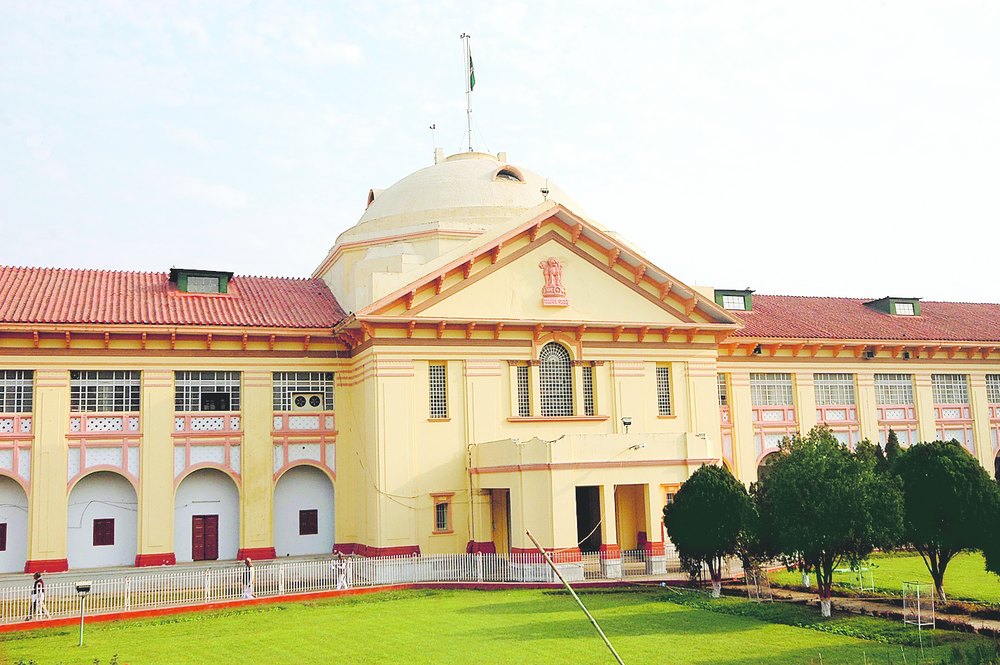
Photo: Patel95, CC BY-SA 4.0, via Wikimedia Commons
Patna, known in ancient times as Pataliputra, stands as one of India's most historically significant cities along the sacred Ganges River. The modern city sits approximately 25 meters above sea level on the southern bank of the Ganges, stretching roughly 35 kilometers east to west. Archaeological evidence suggests the ancient city once covered an area of approximately 25 square kilometers, making it one of the largest urban centers of the ancient world. Today, visitors can explore remnants of ancient Buddhist monasteries, stupas, and foundations that hint at the city's former grandeur as a major center of learning and spiritual practice. Some theorists have pointed to ancient Buddhist texts describing the Buddha's miraculous crossing of the Ganges River—reportedly accomplished instantaneously—as potential evidence of advanced technological abilities or extraterrestrial intervention. Scholars in Buddhist studies and archaeology interpret such accounts as spiritual narratives reflecting the Buddha's elevated status within early Buddhist communities rather than descriptions of literal physical phenomena, consistent with how miracles function across ancient religious traditions.
Timeline
Early settlement established on the Ganges, becoming known as Pataliputra
Buddha's legendary final journey through the region, including the miraculous river crossing
City becomes capital of the Mauryan Empire under Chandragupta Maurya
Modern archaeological excavations begin revealing ancient Buddhist and Hindu structures
What the Show Claims
- ›Buddha's instantaneous crossing of the flooded Ganges River demonstrates teleportation technology or extraterrestrial assistanceS06E04
- ›The precise timing described in Buddhist texts suggests advanced understanding of physics beyond ancient human capabilitiesS06E04
Theorist Takes
“So are we talking about teleportation here? Some type of technology that was misinterpreted as a miracle?”
From the Transcripts
“Ancient astronaut theorists believe further clues can be found more than 1,700 miles away in Patna, India. Situated on the southern shores of the Ganges River, this ancient city is believed to be the place where the great spiritual leader Buddha embarked on an incredible journey in 483 B.C.”
What Archaeology Says
Archaeological investigations in and around Patna have revealed extensive evidence of continuous occupation spanning over two millennia. Excavations have uncovered foundations of massive wooden palisades, remnants of royal palaces, and sophisticated drainage systems that speak to advanced urban planning. The discovery of Northern Black Polished Ware pottery and punch-marked coins provides material evidence of the city's role as a major trade and administrative center.
Researchers have identified multiple layers of construction, indicating the city was rebuilt and expanded numerous times throughout its history. Buddhist monastery ruins and stupa foundations scattered throughout the region confirm the area's significance as a center of Buddhist learning and pilgrimage. The remains of what appear to be large assembly halls suggest this was indeed a place where significant religious and political gatherings occurred.
The scientific consensus views Pataliputra as one of ancient India's most important urban centers, rivaling contemporary cities in China and the Mediterranean world in terms of size and sophistication. Archaeological evidence supports many historical accounts of the city's grandeur, though the scale described in some ancient texts may reflect literary embellishment rather than literal accuracy.
What remains genuinely mysterious is the exact nature of some advanced engineering techniques apparently employed in the city's construction, particularly sophisticated water management systems that seemed to effectively control seasonal flooding from the Ganges. Some architectural elements discovered in excavations show precision that archaeologists are still working to fully understand and explain.
Mysteries & Fun Facts
Ancient Greek ambassador Megasthenes described Pataliputra as extending 80 stadia in length, making it one of the largest cities he had ever seen
The city was reportedly protected by a massive wooden wall with 570 towers and 64 gates according to historical accounts
Archaeological evidence suggests the ancient city had one of the world's earliest known sewerage systems
The famous Mauryan emperor Ashoka ruled his vast empire from this city after his conversion to Buddhism
Planning a Visit
Patna is generally accessible to visitors, with several archaeological sites and museums displaying artifacts from the ancient city scattered throughout the modern urban area. The Patna Museum houses significant collections of Buddhist and Mauryan-era artifacts that help illustrate the city's ancient importance. Visitors should check with local tourism offices for current access to specific archaeological sites, as some may have restricted hours or require special permissions.
Patna itself is a major city, with the nearest significant urban center being Gaya approximately 100 kilometers to the south.
The ideal time to visit is during the cooler months from October to March when temperatures are more comfortable for outdoor exploration. The monsoon season from June to September can make site access challenging due to flooding.
Related Sites
Harappa
Harappa represents another ancient Indian urban center with sophisticated planning that challenges conventional archaeological timelines
Lalibela Rock-Hewn Churches
Lalibela's rock-hewn churches showcase another site where religious architecture is attributed to divine or supernatural assistance
Chichen Itza - Kukulkan Temple
Chichen Itza features similar claims about advanced astronomical knowledge and possible extraterrestrial influence in ancient religious centers