China - Ancient Civilization Sites
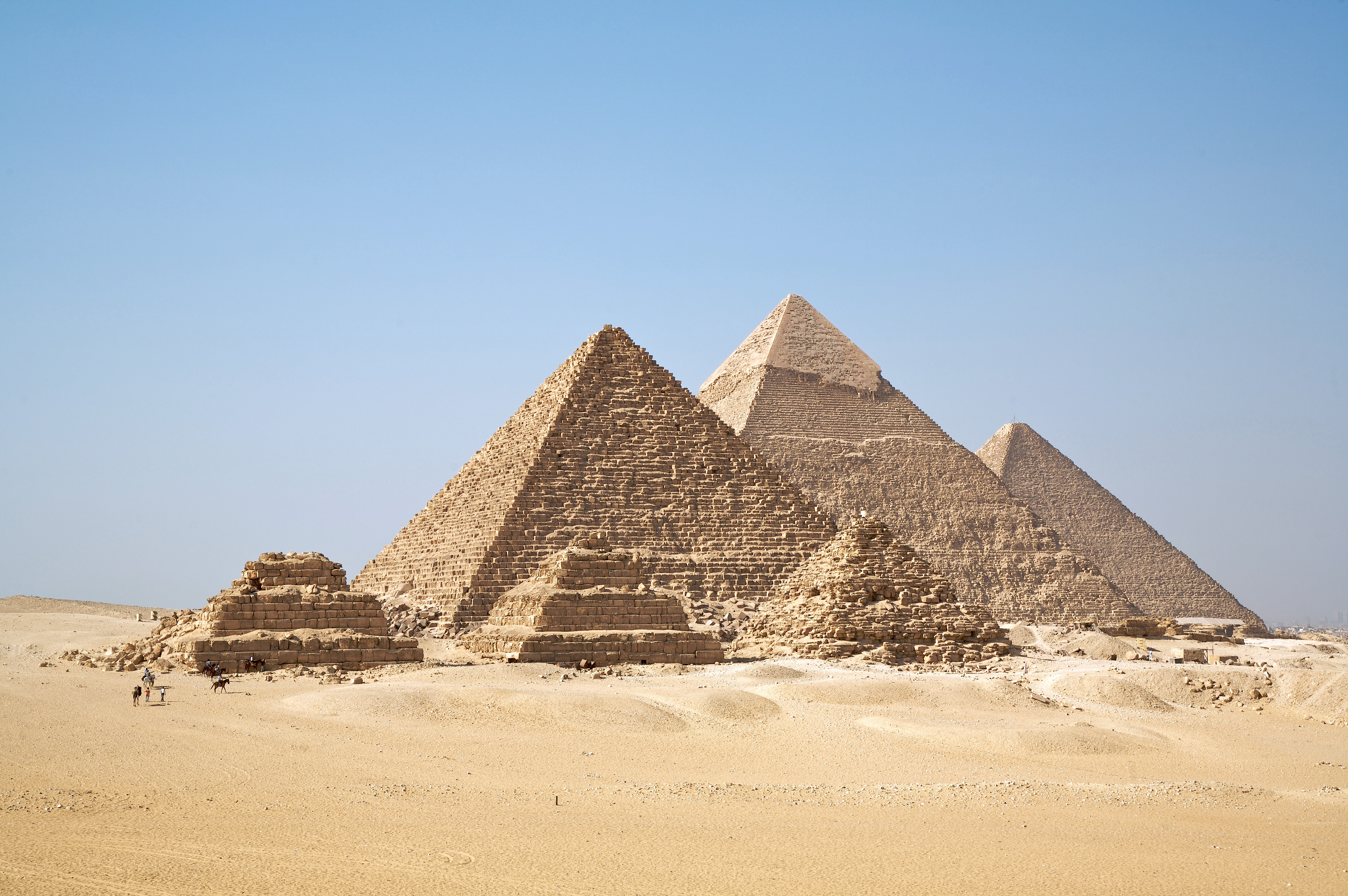
Photo: Ricardo Liberato, CC BY-SA 2.0, via Wikimedia Commons
China encompasses thousands of ancient sites representing one of the world's longest continuous civilizations, with archaeological evidence spanning over 5,000 years of human development. Visitors today can explore legendary locations from the Forbidden City's 9,999 rooms to the Great Wall's estimated 13,000 miles of fortifications, alongside lesser-known sites harboring mysterious artifacts and unexplained technologies. The country's vast territory contains everything from the Terracotta Army's 8,000 life-sized warriors to ancient observatories that tracked celestial movements with remarkable precision. These sites collectively represent humanity's most extensive record of technological innovation, artistic achievement, and astronomical knowledge.
Timeline
Earliest Chinese civilizations begin developing along the Yellow River valley
First Emperor Qin Shi Huang unifies China and begins Great Wall construction
Discovery of the Terracotta Army near Xi'an revolutionizes understanding of ancient Chinese capabilities
Multiple Chinese sites achieve UNESCO World Heritage status, including the Great Wall and Forbidden City
What the Show Claims
- ›Evidence of extraterrestrial visitation exists throughout China's ancient sitesS11E09
- ›Aliens may have walked among ancient Chinese populations and continue to hide among us todayS11E09
- ›Advanced technologies in ancient China suggest non-human influence
What Archaeology Says
Archaeological investigations across China have revealed sophisticated engineering capabilities that developed independently from other ancient civilizations. Excavations at sites like the Terracotta Army complex demonstrate mastery of bronze casting, complex underground construction, and mass production techniques that wouldn't appear in Europe for centuries. The discovery of seismographs, magnetic compasses, and astronomical instruments predating similar Western inventions by hundreds of years showcases genuine technological advancement.
Key researchers including Chinese archaeologist Xia Nai and international teams have documented evidence of advanced metallurgy, precision engineering, and architectural innovations spanning millennia. The archaeological record shows clear progression from simple agricultural settlements to complex urban centers with sophisticated water management, defensive systems, and ceremonial complexes. Recent discoveries continue to push back dates for major technological achievements, with some sites revealing unexpected levels of mathematical and astronomical knowledge.
Scientific consensus attributes China's remarkable achievements to continuous cultural development, extensive record-keeping, and practical innovation driven by geographic challenges and population pressures. The civilization's emphasis on education, experimentation, and documentation created conditions for sustained technological progress over thousands of years.
What remains genuinely puzzling to researchers includes the rapid appearance of certain technologies, the precision of ancient astronomical observations, and the scale of construction projects that would challenge modern capabilities. Some artifacts and architectural features continue to resist complete explanation, leaving room for ongoing archaeological investigation and debate about the full extent of ancient Chinese capabilities.
Mysteries & Fun Facts
Ancient Chinese invented paper approximately 1,900 years before it appeared in Europe
The Antikythera mechanism's complexity was matched by Chinese astronomical clockwork centuries earlier
Some ancient Chinese sites contain magnetic anomalies that affect compass readings
Archaeological evidence suggests ancient Chinese may have reached the Americas before Columbus
Planning a Visit
Most major Chinese ancient sites are accessible to international visitors, though some require permits or guided tours through authorized operators. Transportation infrastructure generally provides good access to well-known locations, with visitor facilities and interpretation centers at major archaeological sites.
Beijing serves as a major gateway, with Xi'an, Luoyang, and other historical capitals providing regional access to significant ancient sites.
Spring and autumn offer the most comfortable weather conditions for exploring outdoor archaeological sites across China's diverse climate zones.
Related Sites
Gobekli Tepe
Both sites challenge conventional timelines of human technological development
Antikythera (mechanism discovery site)
Ancient astronomical and mathematical instruments demonstrate sophisticated scientific knowledge
Harappa
Represents another independently developed ancient civilization with advanced urban planning