Huashan Grottos
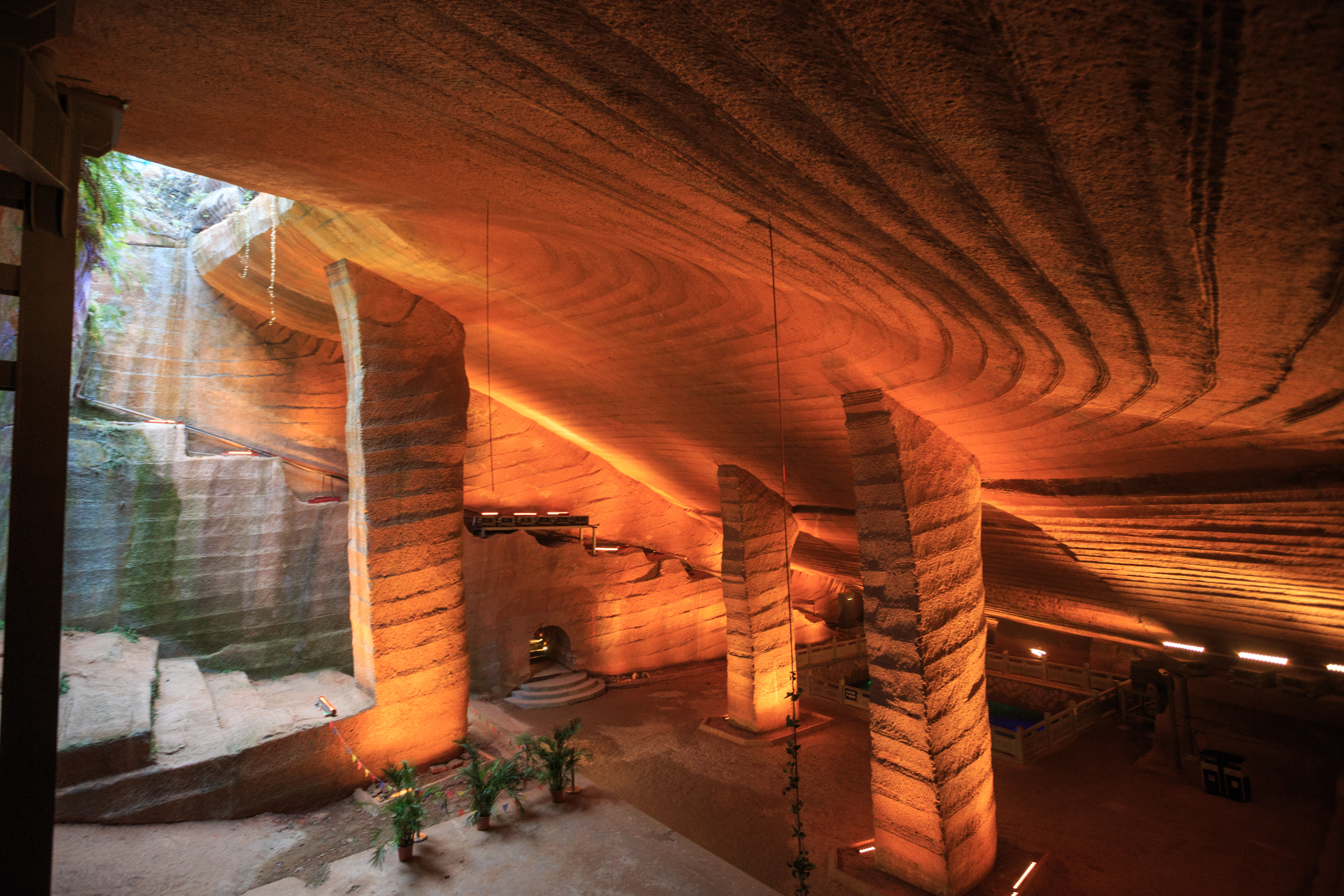
Photo: Zhangzhugang, CC BY-SA 4.0, via Wikimedia Commons
The Huashan Grottos comprise dozens of artificially carved caverns carved directly into the hillsides of Huashan Mountain in Anhui Province, China. These underground chambers feature intricate stone rooms, bridges, and pavilions, with some individual grottos reaching impressive dimensions that suggest massive undertakings by their ancient builders. The site represents what is believed to be the largest complex of ancient manmade caves in China, distinguished by their sophisticated architectural features and precise stonework. The grottos are carved from solid rock and display remarkable engineering precision that has puzzled archaeologists for decades.
Timeline
Estimated construction period of the grottos based on archaeological analysis
Modern rediscovery and initial archaeological survey of the site
Site opened to public tourism and began receiving international attention
What the Show Claims
- ›Ancient astronaut theorists present the Huashan Grottos as evidence of anomalous construction by advanced beings, citing archaeologists' inability to explain who built them, how, or whyS09E03
- ›The precision and scale of the underground chambers suggest technology beyond what was available to ancient Chinese civilizationsS09E03
- ›The absence of historical records mentioning such a massive construction project indicates non-human involvementS09E03
From the Transcripts
“Perhaps even more baffling are the Huashan Grottos in the Anhui Province of China. They are the largest ancient manmade caves in the country, containing stone rooms, bridges and pavilions. Archaeologists have no idea how they were built, by whom or why.”
What Archaeology Says
Archaeological investigations at the Huashan Grottos have revealed a complex network of precisely carved chambers that demonstrate remarkable engineering capabilities. The grottos show evidence of systematic planning, with consistent architectural features throughout the complex including carved pillars, stepped platforms, and interconnected passages. The stone surfaces display tool marks that suggest advanced cutting techniques, though the exact methods used remain unclear to researchers.
Scholars have proposed various theories for the site's origins, ranging from ancient quarrying operations to underground religious complexes or storage facilities. The lack of definitive historical records mentioning the construction has made dating and attribution challenging for archaeologists. Some researchers suggest the grottos may have served multiple purposes over different time periods, potentially beginning as quarries and later being adapted for other uses.
The scientific consensus acknowledges the site as an impressive example of ancient Chinese engineering and craftsmanship, though debates continue regarding the specific civilization responsible and their motivations. The precision of the carving work and the massive scale of the undertaking represent significant achievements in ancient construction techniques.
What remains genuinely unknown includes the exact dating of construction, the identity of the builders, and the primary purpose for creating such an extensive underground complex. The absence of inscriptions, artifacts, or clear historical documentation continues to make the Huashan Grottos one of China's most enigmatic archaeological sites.
Mysteries & Fun Facts
The grottos contain over 30 individual chambers carved directly into the mountainside
Some chambers reach heights of several meters and contain intricately carved stone pavilions
The site produces unique acoustic effects due to the carved stone architecture
No construction debris or stone chips have been found at the site, adding to the mystery of how such massive amounts of material were removed
Planning a Visit
The Huashan Grottos are generally accessible to visitors, with developed pathways and lighting installed in several of the main chambers. Tours typically include visits to the most impressive grottos, allowing visitors to experience the scale and craftsmanship firsthand. Check local tourism websites for current operating hours and seasonal accessibility.
Huangshan City, approximately 30 kilometers away
Spring and autumn offer the most comfortable weather for exploring the underground chambers and surrounding mountain area. Summer can be quite humid, while winter visits may be limited due to weather conditions.
Related Sites
Kailasa Temple
Another example of massive ancient rock-cut architecture that demonstrates sophisticated engineering capabilities
Lalibela Rock-Hewn Churches
Features extensive underground chambers carved from solid rock with religious and ceremonial purposes
Wieliczka Salt Mine
Represents advanced ancient excavation techniques creating large underground complexes