Lake Ashi
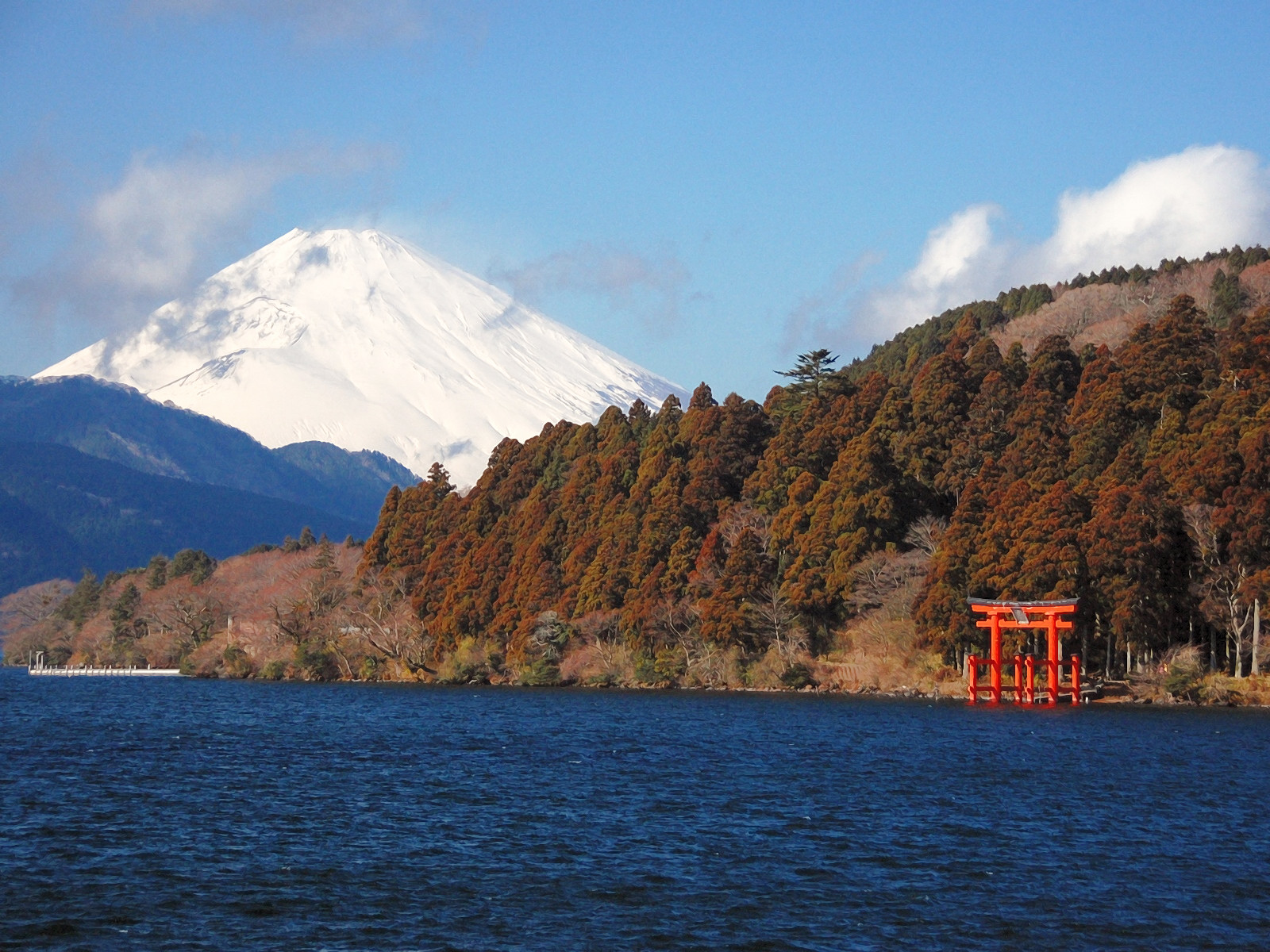
Photo: Kentagon, CC BY-SA 4.0, via Wikimedia Commons
Lake Ashi is a scenic crater lake nestled within the caldera of Mount Hakone, a complex volcano in Japan's Kanagawa Prefecture. The lake offers stunning views of Mount Fuji and sits along the historic Tōkaidō road that once connected Kyoto and Tokyo. Pleasure boats and ferries, many styled after traditional sailing warships, regularly traverse the lake's waters. The surrounding area features numerous hot springs, traditional ryokan inns, and the ancient Hakone Shrine, which has welcomed travelers for centuries. The lake's name translates to "lake of reeds" from the Japanese words ashi (reed) and ko (lake).
Timeline
Lake Ashi forms as a crater lake within the Mount Hakone caldera system
Mount Hakone experiences its last recorded eruption at Ōwakudani
Completion of the Fukara Aqueduct, redirecting the lake's drainage toward Susono
Onshi Park established as an imperial summer retreat, later opened to the public
What the Show Claims
- ›Lake Ashi in the Mount Fuji region may be associated with UFO activity and unexplained phenomena in JapanS21E17
What Archaeology Says
Lake Ashi represents a fascinating geological formation created by volcanic activity within the Mount Hakone caldera system. The lake formed as a crater lake along the southwestern wall of this complex volcano, which last erupted in 1170 CE at the Ōwakudani area. The volcanic origins of the region have created the numerous hot springs that dot the landscape around the lake.
The area holds significant historical importance beyond its geological features. The lake sits along the ancient Tōkaidō road, the main thoroughfare that connected Japan's former capital of Kyoto with Tokyo (then Edo) during the feudal period. This strategic location made the region a crucial stopover for travelers, including shōgun, samurai, and merchants who would visit the nearby Hakone Shrine for blessings on their journeys.
Archaeological evidence in the broader Hakone region reflects centuries of human habitation and spiritual significance. The Hakone Shrine, positioned along the lake's shore, has served as a pilgrimage destination for generations, with large sections of the original Tōkaidō road still preserved in the area. The establishment of Onshi Park in 1886 as an imperial retreat demonstrates the site's continued cultural importance into the modern era.
While the lake's geological formation is well understood through volcanic studies, the area's long history as a spiritual center and the intersection of natural beauty with ancient travel routes continues to inspire both scientific interest and cultural reverence. The engineering feat of the 1670 Fukara Aqueduct, which redirected the lake's natural drainage, shows how humans have long sought to harness and modify this remarkable natural feature.
Mysteries & Fun Facts
Pleasure boats on the lake are styled after historic sailing warships, creating a unique maritime experience
The lake drains through the Fukara Aqueduct toward Susono rather than its natural drainage pattern toward Odawara
Mount Hakone last erupted in 1170 CE, making it a relatively quiet volcano in recorded history
The imperial family once used nearby Onshi Park as a summer retreat before it opened to the public
Planning a Visit
Lake Ashi is easily accessible to visitors, with pleasure boats and ferries providing scenic tours across its waters. The area offers camping facilities at the northern end of the lake, along with numerous hotels and traditional ryokan accommodations. Hiking trails of varying difficulty levels surround the lake, making it popular with both casual visitors and serious trekkers.
Hakone town center, with larger cities like Odawara approximately 20 kilometers northeast.
The lake is beautiful year-round, though spring and autumn offer the clearest views of Mount Fuji and the most comfortable hiking conditions.
Featured Locations1 sites within this area
Izu Oshima
JapanRelated Sites
Mount Fuji
Both are iconic Japanese natural landmarks associated with unexplained aerial phenomena in Ancient Aliens theories
Tunguska explosion site
Another remote natural site where unusual atmospheric or celestial events have been reported
Qinghai Lake
Another Asian crater lake that has attracted attention for mysterious lights and unexplained phenomena
Featured In1 episodes
Historical data sourced from Wikipedia