Cave of Tayos
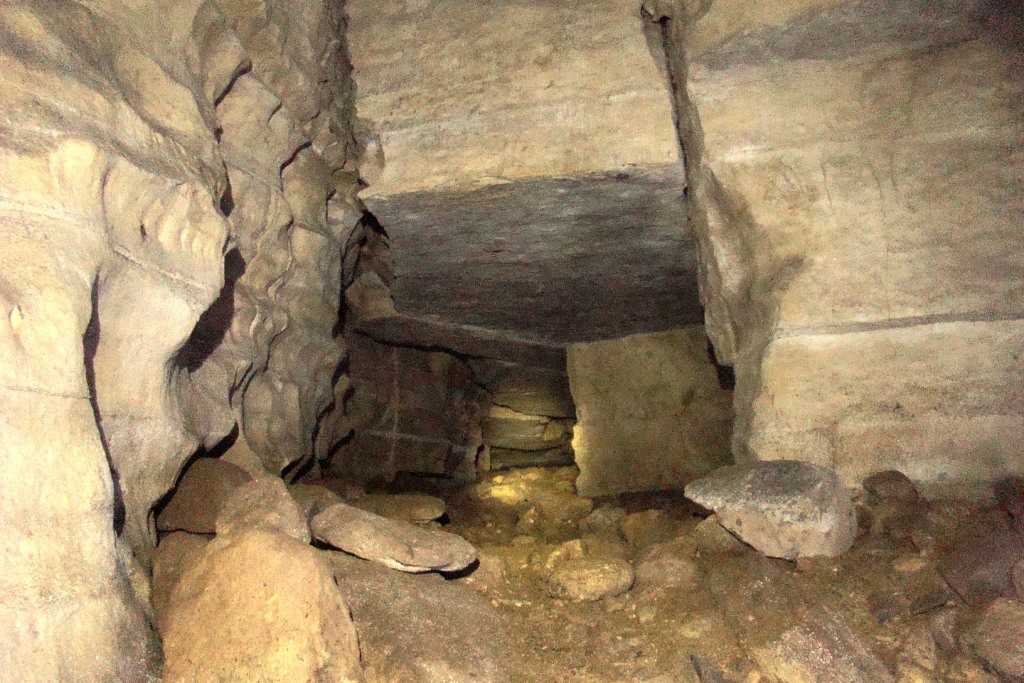
Photo: MezzoforteF, CC BY-SA 3.0, via Wikimedia Commons
The Cave of Tayos is a natural limestone cave system located in the remote eastern Andean foothills of Ecuador, within the traditional territory of the Shuar people. The cave extends deep into the mountainside with multiple chambers and passages, including what explorers have described as unusually large entrance openings and internal spaces. The site gained international notoriety after Erich von Däniken featured it prominently in his 1973 book 'Gold of the Gods,' claiming it contained evidence of advanced ancient civilizations. Today, visitors encounter a challenging cave system that requires specialized equipment and local guides to navigate safely, with the main chambers accessible only through difficult terrain in one of Ecuador's most remote regions.
Timeline
Artifacts found in tomb chamber during 1976 expedition date to this period, suggesting ancient indigenous use of the cave
Hungarian-Argentine explorer Juan Moricz allegedly discovers the cave and claims to find metal plaques with unknown writing
Erich von Däniken publishes 'Gold of the Gods,' bringing international attention to the cave's alleged treasures
Major scientific expedition led by Stanley Hall and including Neil Armstrong explores the cave but finds no metal library
What the Show Claims
- ›The cave contains a vast 'metal library' of books inscribed with advanced or alien knowledgeS02E04
- ›Large artificial-looking doorways exist that geologists could not easily explainS02E04
- ›The cave system was created or modified by ancient astronauts as a repository of knowledgeS02E04
Theorist Takes
“So this metallic library is still there in Ecuador in a subterranean cave. There are still Indian tribes living there. They are still protecting the old treasure.”
From the Transcripts
“of all the Shuar's secrets, perhaps none has been so carefully guarded as the location and entrance of the cave of Tayos.”
What Archaeology Says
The most significant archaeological investigation of the Cave of Tayos occurred during the 1976 British-Ecuadorian expedition organized by explorer Stanley Hall. This ambitious undertaking included notable figures such as astronaut Neil Armstrong and involved extensive exploration of the cave system using modern spelunking techniques and scientific equipment. The expedition did locate a tomb chamber containing artifacts that were subsequently dated to approximately 1500 BC, providing evidence of ancient indigenous use of the site.
The scientific consensus among geologists and archaeologists who have studied the cave is that it represents a natural limestone formation typical of the region's karst topography. The large chambers and passages that have fueled speculation about artificial construction are consistent with natural cave formation processes over geological time scales. Researchers have found no evidence to support claims of metal libraries, advanced inscriptions, or artificial modification of the cave structure.
Much of the mystery surrounding the cave stems from the testimony of Petronio Jaramillo, an Ecuadorian who claimed to have been shown secret chambers by the Shuar people. However, Jaramillo died in 1998 before ever leading investigators to these alleged locations, leaving his claims unverified. The cave's remote location in Shuar territory, combined with the community's traditional beliefs about sacred sites, has made comprehensive archaeological investigation challenging.
What remains genuinely unknown is the full extent of the cave system, as complete mapping has been hampered by difficult access conditions and respect for indigenous territorial rights. Some chambers may remain unexplored, and the cave's role in pre-Columbian Shuar culture and spirituality deserves further respectful study. However, no credible evidence has emerged to support the extraordinary claims that initially brought the site to international attention.
Mysteries & Fun Facts
Neil Armstrong, the first person to walk on the moon, was among the explorers who investigated the cave in 1976
The cave's name comes from the tayos birds (oilbirds) that nest in its chambers and were traditionally hunted by the Shuar people
Erich von Däniken later admitted he had never actually visited the cave when he wrote about it in 'Gold of the Gods'
The Shuar people have traditional stories about the cave that predate modern exploration by centuries
Planning a Visit
Visiting the Cave of Tayos requires significant preparation and local coordination, as it lies in remote territory requiring permission from Shuar communities and experienced local guides. Access involves challenging travel through dense jungle terrain and potentially dangerous cave exploration that demands proper spelunking equipment and expertise.
Macas, approximately 100 kilometers to the southwest
The dry season from June to September offers the most favorable conditions for the difficult overland journey to reach the cave. However, weather conditions in this remote region can be unpredictable year-round.
Related Sites
Sacsayhuaman
Both sites feature massive stone constructions in South America that ancient astronaut theorists claim required advanced technology
Chavín de Huántar
This ancient Peruvian ceremonial center shares theories about advanced pre-Columbian knowledge and possible extraterrestrial influence
Plain of Jars
Like the Cave of Tayos, this site in Laos involves mysterious underground chambers and unexplained ancient artifacts