Lemnos
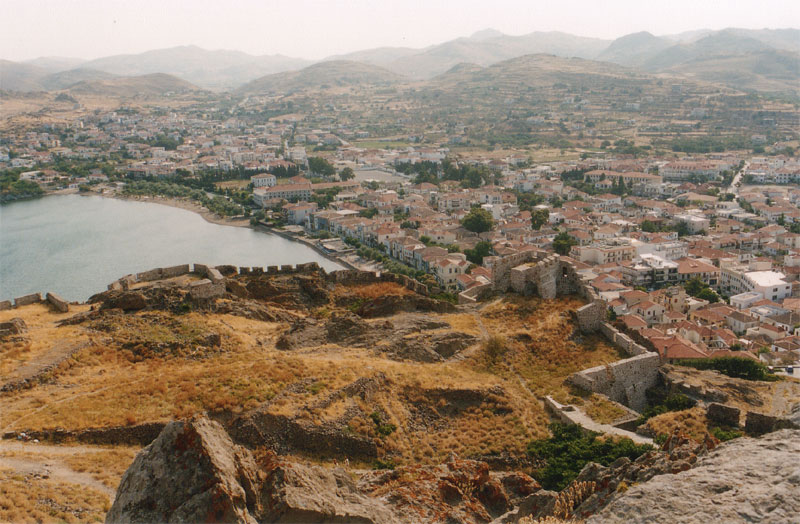
Photo: User:Digr, Public domain, via Wikimedia Commons
Lemnos is a volcanic Greek island in the northern Aegean Sea, covering 477.583 square kilometers, making it the 8th-largest island of Greece. The island features a dramatic landscape of volcanic terrain, sandy beaches, and ancient settlements, with its principal town Myrina serving as the administrative center. Archaeological evidence reveals continuous habitation from the Bronze Age through classical antiquity, with the island holding special significance in Greek mythology as the sacred forge of Hephaestus, god of fire and metalworking. Today, visitors can explore ancient ruins scattered across the island while enjoying its relatively untouched natural beauty and traditional Greek island atmosphere.
Timeline
Early Bronze Age settlement begins on Lemnos
Island becomes associated with Hephaestus worship and metallurgy
Lemnos incorporated into Athenian sphere of influence
Italian archaeological team conducts first systematic excavations
What the Show Claims
- ›Ancient astronaut theorists argue that Lemnos was the site where an extraterrestrial being produced advanced technology — armor, weapons, and mechanical constructs — that was interpreted by ancient Greeks as divine craftsmanshipS08E09
- ›The mythological forge of Hephaestus on Lemnos represents evidence of advanced metallurgical knowledge beyond what ancient Greeks should have possessed
Theorist Takes
“And when we look back at those stories, we have to ask, "Is it possible that Hephaestus was an extraterrestrial being who brought some advanced extraterrestrial technology to Earth?"”
“It is very clearly stated that the knowledge for making swords was given directly by the gods. And those gods weren't figments of our ancestors' imagination, but they were physical beings.”
From the Transcripts
“Lemnos, Greece. 3000 BC. This island in the Aegean Sea is said to be the home of Hephaestus, the Greek god of technology.”
“There is a little city on the island of Lemnos called Hephaestia, so there's a place that is named specifically after Hephaestus.”
What Archaeology Says
Archaeological investigations on Lemnos have revealed a rich Bronze Age civilization with sophisticated metallurgical practices that may have inspired the island's mythological associations. Excavations have uncovered workshops, furnaces, and metalworking tools dating back over 3,000 years, demonstrating the island's long tradition of craftsmanship. The presence of high-quality bronze artifacts and evidence of advanced smelting techniques suggests the inhabitants possessed considerable technical knowledge for their time.
The island's archaeological record shows continuous occupation through various periods, with remains of ancient temples, fortifications, and residential areas scattered throughout its landscape. Researchers have documented pottery, tools, and religious artifacts that reflect both local traditions and broader Aegean cultural influences. The quality and sophistication of metalwork found on the island supports the historical basis for its reputation as a center of craftsmanship.
While the archaeological evidence confirms Lemnos as an important metallurgical center in the ancient world, mainstream archaeology attributes the advanced techniques to natural technological progression and the island's advantageous position for trade. The volcanic nature of the island provided natural resources conducive to metalworking, including volcanic glass and mineral deposits. However, some aspects of the most sophisticated artifacts remain subjects of ongoing scholarly debate.
What continues to intrigue researchers is the remarkably high level of craftsmanship achieved by ancient Lemnian metalworkers, particularly in bronze-working techniques that seem to have emerged earlier than expected. The island's role in ancient trade networks and its reputation for producing exceptional weapons and tools across the Mediterranean world suggests a level of technical expertise that was renowned throughout the ancient world.
Mysteries & Fun Facts
Lemnos is the 8th-largest island in Greece, covering an area of 477.583 square kilometers
The island's volcanic soil and natural harbors made it an ideal location for ancient metallurgical activities
Ancient Greek writers described Lemnos as the only place where Hephaestus could properly conduct his divine metalworking
The island was known throughout the ancient Mediterranean world for producing exceptionally high-quality weapons and armor
Planning a Visit
Lemnos is accessible by ferry from Athens and Thessaloniki, with regular connections during the tourist season. The island offers a peaceful alternative to more crowded Greek destinations, allowing visitors to explore archaeological sites at their own pace while enjoying traditional tavernas and pristine beaches.
Myrina (on the island itself), approximately 280 kilometers from Thessaloniki
Late spring through early fall provides the most favorable weather conditions for exploring both archaeological sites and the island's natural attractions. Summer months offer warm weather and calm seas, though visitors should be prepared for occasional strong Aegean winds.
Featured Locations1 sites within this area
Island of Lemnos (Hephaestia)
GreeceTheorists argue that Hephaestus, the god of metallurgy who crash-landed on Lemnos, may have been a real extraterrestrial visitor who imparted advanced metalworking knowledge to ancient Greeks. Mainstream scholarship treats Hephaestia as a historically important Greek city named after the mythological deity Hephaestus, whose stories reflect early Greeks' awe of metalworking.
Related Sites
Featured In1 episodes
Historical data sourced from Wikipedia