Orléans
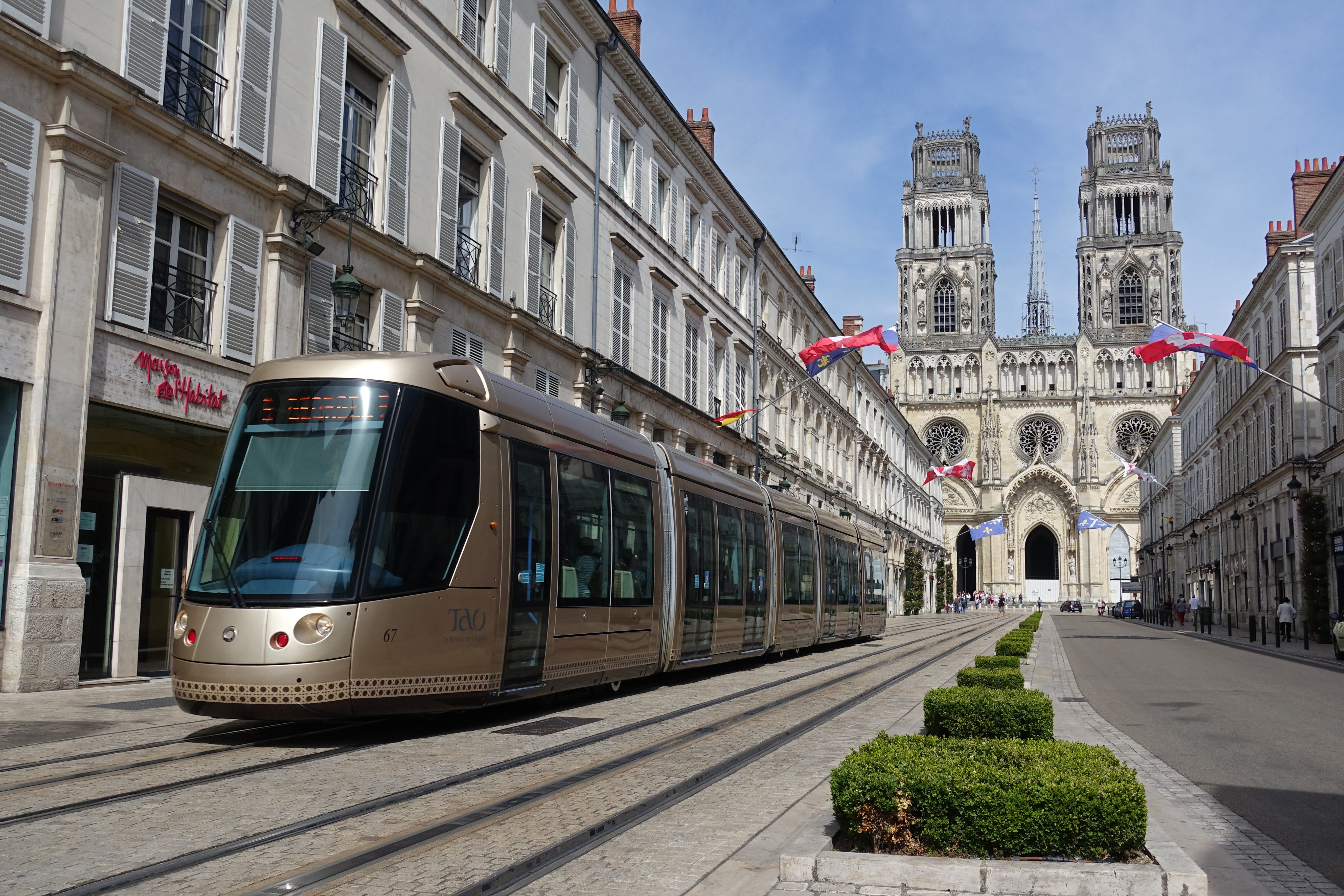
Photo: Bmazerolles, CC BY-SA 4.0, via Wikimedia Commons
Orléans is a historic city situated on the Loire River in north-central France, approximately 120 kilometers southwest of Paris. With a municipal population of 116,357 as of 2023, the city serves as the prefecture of the Loiret department and lies within the UNESCO-designated Loire Valley World Heritage region. Visitors today can explore the medieval city center, walk along the Loire riverbanks, and visit the imposing Gothic Cathedral of Sainte-Croix where Joan of Arc attended a thanksgiving service after lifting the siege. The city's strategic location at a bend in the Loire River made it a crucial commercial hub throughout history, with its development intimately tied to river trade and transportation. Some theorists have proposed that Joan of Arc's reported visions—which she attributed to Saints Michael, Catherine, and Margaret—may have originated from contact with an extraterrestrial intelligence offering advanced military knowledge. However, historians and scholars emphasize that Joan's documented letters and trial records consistently describe her experiences as religious visions rooted in her Catholic faith, while her tactical innovations are attributed to her intelligence, conviction, and understanding of French military capabilities during the Hundred Years War.
Timeline
Roman conquest establishes Cenabum, the ancient settlement that would become Orléans
City becomes capital of the Merovingian Kingdom of France under Clovis I
University of Orléans founded by Pope Clement V, becoming one of Europe's oldest universities
English siege of Orléans during Hundred Years' War, lifted by Joan of Arc's intervention
First Johannic Holidays celebration established to honor Joan of Arc, continuing annually to present day
What the Show Claims
- ›Joan of Arc received advanced extraterrestrial knowledge from a 'luminous extraterrestrial being' that gave her military insights enabling her to break the English siegeS02E10
Theorist Takes
“Joan of Arc was then contacted by a luminous extraterrestrial being that could have imparted that information to Joan of Arc to give her the confidence that ultimately led her military campaign to victory.”
From the Transcripts
“Orléans, France. In 1429, the city was besieged by the English during the Hundred Years War. The survival of the French military and government appeared doomed. Then, 17-year-old Joan of Arc traveled to Château-Chinon.”
“that was certainly true when Joan wielded this sword, carried it with her into the battle of Orleans. Which was the decisive battle, which allowed them to put King Charles VII on the throne of France.”
What Archaeology Says
Archaeological investigations in Orléans have revealed continuous occupation from pre-Roman times through the present day. Excavations have uncovered remains of the Gallic settlement of Cenabum, destroyed by Julius Caesar in 52 BC, as well as substantial Roman infrastructure including roads, buildings, and commercial districts that established the city's role as a major Loire Valley trading center.
Medieval archaeology has focused particularly on understanding the city's defensive systems during the Hundred Years' War period. Researchers have mapped the extent of the English siege works from 1428-1429, identifying the locations of fortifications, artillery positions, and the strategic points where Joan of Arc's forces broke through English lines. The siege represents one of the most thoroughly documented military actions of the medieval period, with contemporary chronicles providing detailed accounts of the four-day battle that changed French fortunes.
The Gothic Cathedral of Sainte-Croix, where Joan of Arc attended services, has been extensively studied by architectural historians. Built over several centuries starting in the 13th century, the cathedral incorporates multiple building phases and represents a masterpiece of French Gothic architecture. Archaeological work has revealed earlier religious structures beneath the current building, including a Merovingian-era church that served as the royal chapel when Orléans was the kingdom's capital.
What remains intriguing to historians is the precise nature of Joan of Arc's military innovations and the rapid transformation of French military effectiveness following her arrival. While her tactical insights are well-documented, the source of her strategic knowledge and her ability to inspire such dramatic military success continues to generate scholarly debate about medieval warfare, religious conviction, and leadership psychology.
Mysteries & Fun Facts
The annual Johannic Holidays celebrating Joan of Arc have been held continuously since 1432, making it one of France's oldest recurring festivals
Orléans was the capital of the Kingdom of France during the Merovingian period under King Clovis I
The University of Orléans, founded in 1306, is one of Europe's oldest universities and was later re-established in 1966
Multiple places in North America are named after Orléans, including New Orleans, Louisiana, and Île d'Orléans in Quebec
Planning a Visit
Orléans is easily accessible by train from Paris, with regular TGV and Intercités services taking approximately one hour. The historic city center is walkable, with major sites including the Cathedral of Sainte-Croix, Place du Martroi with its Joan of Arc statue, and the medieval streets where the Maid of Orléans rallied French forces.
Paris, approximately 120 kilometers northeast
The first week of May offers the most culturally immersive experience, coinciding with the annual Johannic Holidays that have commemorated Joan of Arc since 1432. Spring through early fall provides the most pleasant weather for walking the historic city center and exploring the Loire riverbanks.
Featured Locations1 sites within this area
Battle of Orléans
FranceTheorists argue that Joan of Arc's decisive victory at Orléans, aided by her legendary sword, may indicate extraterrestrial intervention to shape the future of France. Mainstream historians attribute the victory to Joan's military leadership and the morale boost she provided to French forces besieging the English-held city.
Related Sites
Carnac Stones
Ancient Aliens has explored megalithic sites across France, suggesting advanced knowledge guided their construction
Externsteine
This German rock formation has been associated with medieval religious visions and potential extraterrestrial contact
Avebury Stone Circle
The British stone circle represents another European site where the show claims ancient peoples received otherworldly guidance
Featured In1 episodes
Historical data sourced from Wikipedia