Mount Llullaillaco
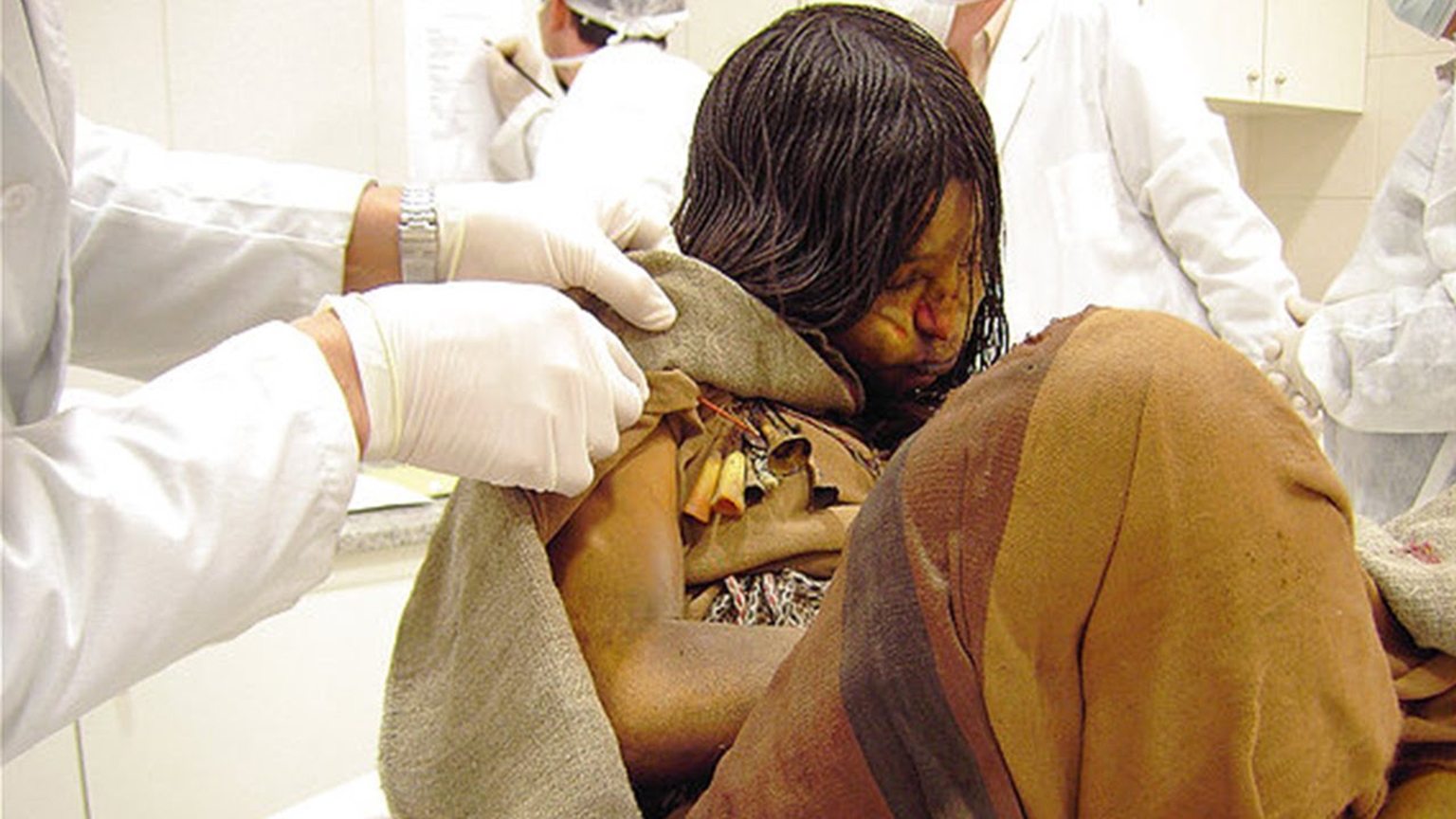
Photo: grooverpedro, CC BY 2.0, via Wikimedia Commons
Mount Llullaillaco stands as one of the world's highest archaeological sites, towering at 6,739 meters (22,109 feet) above sea level in the remote Andes Mountains along the Argentina-Chile border. This stratovolcano served as a sacred ceremonial site for the Inca Empire, who believed high-altitude peaks were dwelling places of mountain deities called apus. The extreme altitude and perpetual freezing conditions created a natural preservation environment unlike anywhere else on Earth. Today, visitors encounter one of the most challenging archaeological destinations in the world, where the thin air and brutal cold have maintained an extraordinary frozen time capsule for over five centuries. Some theorists propose that the Inca child sacrifices discovered here—including three remarkably preserved mummies found in 1999—may reflect encounters with extraterrestrial beings, suggesting the rituals were attempts to contact alien visitors. Archaeological evidence instead indicates these ceremonies, known as capacocha, were sophisticated religious practices through which the Inca honored mountain deities and maintained cosmic balance according to their spiritual worldview. The preservation of textiles, figurines, and human remains at this extreme altitude provides insights into Inca cosmology and ritual sophistication rather than evidence of extraterrestrial contact.
Timeline
Inca priests conduct capacocha ceremony, sacrificing three children at the summit
Archaeologist Johan Reinhard discovers the frozen mummies of three Inca children near the summit
Advanced scientific analysis reveals unprecedented preservation of the mummies' organs and tissues
What the Show Claims
- ›Theorists contend that Inca child sacrifices atop Llullaillaco reflect the intense reality of ancient encounters with alien beings, and that the ultimate sacrifice was intended to compel those beings to returnS03E12
From the Transcripts
“Mount Llullaillaco. Argentina, 1999. At the top of this 2,200 ft. high volcano, archeologist Johan Reinhard discovers the frozen remains of three human mummies-- one boy and two girls-- all under the age of 16.”
What Archaeology Says
The 1999 discovery by archaeologist Johan Reinhard represents one of the most significant high-altitude archaeological finds in history. The three children — a 15-year-old girl known as "La Doncella" (The Maiden), a 7-year-old boy, and a 6-year-old girl — were found in near-perfect condition, naturally mummified by the extreme cold and dry conditions at 6,739 meters above sea level. Their preservation was so complete that scientists could examine their hair, skin, internal organs, and even the contents of their stomachs.
The archaeological evidence suggests these children underwent months of preparation before their final journey to the mountaintop. They were accompanied by an extraordinary collection of artifacts including gold and silver figurines, fine textiles, feathered headdresses, and food offerings. The quality and quantity of grave goods indicate these were children from noble families, carefully selected for this ultimate religious ceremony. Coca leaves found with the bodies, along with evidence of chicha (corn beer) consumption, suggest the children were kept in altered states during their final days.
Mainstream archaeology interprets this discovery as definitive evidence of capacocha, the Inca empire's most sacred ritual practice. These ceremonies were performed during times of crisis, imperial succession, or significant calendar events, with children sacrificed to mountain deities to ensure cosmic balance and imperial prosperity. The Inca believed that mountains were living beings with spiritual power, and that the highest peaks served as conduits between the earthly and divine realms.
While the basic facts of the discovery are clear, questions remain about the precise logistics of transporting these children to such an extreme altitude, the exact timing of the ceremony within Inca religious calendar, and the broader network of similar sites throughout the Andes. The extreme location continues to limit comprehensive archaeological investigation, leaving aspects of this remarkable site still shrouded in mystery.
Mysteries & Fun Facts
The 15-year-old girl mummy is considered one of the best-preserved human remains ever discovered, with her facial features and hair virtually intact after 500 years
The children's last meals were still identifiable in their stomachs, revealing they had eaten vegetables and corn before their deaths
Mount Llullaillaco is the world's highest archaeological site, making it more challenging to reach than many Himalayan peaks
The gold and silver figurines found with the children included miniature llamas dressed in tiny textiles, demonstrating extraordinary Inca metalworking skills
Planning a Visit
Visiting Mount Llullaillaco requires serious mountaineering experience and expedition-level preparation, as it ranks among the world's most challenging archaeological sites. The mummies and artifacts are housed in the Museum of High Altitude Archaeology in Salta, Argentina, where visitors can examine these extraordinary finds in climate-controlled conditions. Reaching the actual summit archaeological site demands specialized high-altitude climbing permits and professional guide services.
Salta, Argentina (approximately 200 kilometers northeast)
The austral summer months of December through February offer the most favorable weather conditions for extreme high-altitude expeditions, though conditions remain brutally challenging year-round. Most visitors explore the discoveries through the excellent museum displays in Salta rather than attempting the dangerous summit ascent.
Related Sites
Sacsayhuaman
This massive Inca fortress complex near Cusco demonstrates the same sophisticated religious and ceremonial practices that culminated in the Llullaillaco sacrifice
Chichen Itza - Kukulkan Temple
Another Mesoamerican site where ancient civilizations conducted human sacrifices to appease deities and maintain cosmic balance
Chavín de Huántar
This earlier Peruvian ceremonial center shows the deep Andean tradition of mountain worship and ritual practices that influenced later Inca ceremonies