Brown Mountain, Pisgah National Forest
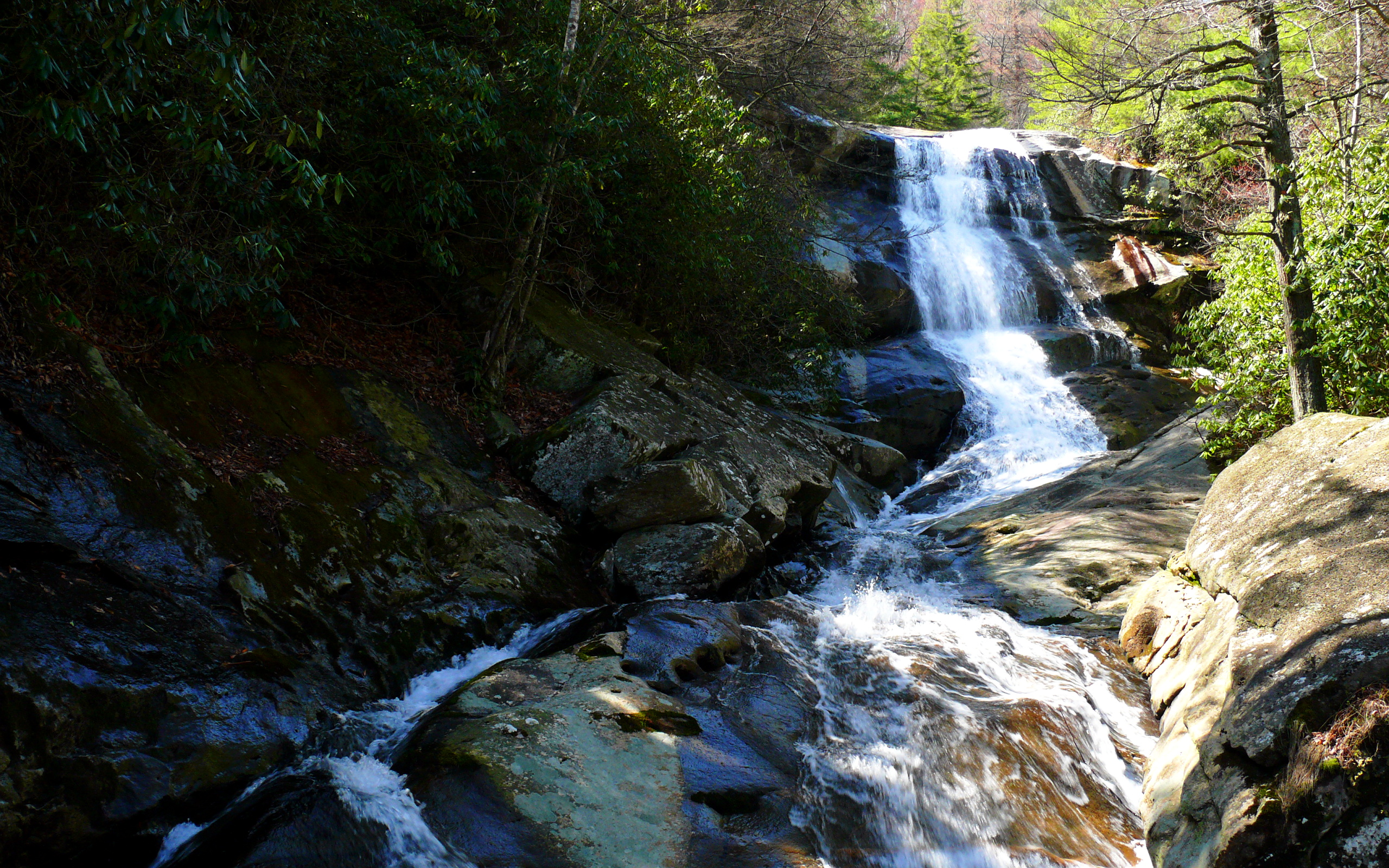
Photo: Ken Thomas, Public domain, via Wikimedia Commons
Brown Mountain is a 2,600-foot peak located in the Pisgah National Forest of North Carolina's Blue Ridge Mountains, approximately 15 miles northwest of Morganton. The mountain is famous for the mysterious Brown Mountain Lights, unexplained luminous phenomena that appear as glowing orbs of various colors floating above the mountain's ridges and valleys. These lights have been observed for centuries, with witnesses reporting spherical illuminations ranging from white and yellow to red and blue that appear to move intelligently across the landscape. The phenomenon occurs most frequently during clear, dark nights and has been documented by thousands of observers from multiple vantage points throughout Burke County.
Timeline
Indigenous Cherokee and Catawba tribes reportedly observe mysterious lights above Brown Mountain according to oral traditions
U.S. Geological Survey conducts first official investigation of the Brown Mountain Lights phenomenon
Second U.S. Geological Survey investigation attempts to provide scientific explanation for the lights
National Geographic features the Brown Mountain Lights in documentary investigation
What the Show Claims
- ›The Brown Mountain Lights are interdimensional phenomena possibly emanating from a parallel universeS14E11
- ›Witness accounts describe being led into crystal caves by the lights and receiving transmissions about dimensional travelS14E11
- ›The lights represent extraterrestrial activity or communication attempts spanning centuriesS14E11
- ›Conventional scientific explanations have failed to adequately account for all observed characteristics of the phenomenonS14E11
Theorist Takes
“When these lights are seen, in my opinion, it's the result of a technological process. Some type of technology is involved. And that technology would have to be extraterrestrials.”
From the Transcripts
“Pisgah National Forest. Burke County, North Carolina. As darkness descends on the Brown Mountains, strange glowing orbs materialize on the horizon.”
What Archaeology Says
While Brown Mountain itself is not an archaeological site in the traditional sense, the phenomenon has generated extensive scientific investigation since the early 20th century. The U.S. Geological Survey conducted two major studies in 1913 and 1922, initially attributing the lights to locomotive headlights and automobile headlights from distant highways. However, reports of the lights continued even when trains and cars were not operating in the area, challenging these explanations.
Researchers from various institutions have proposed numerous theories including marsh gas, ball lightning, piezoelectric effects from quartz in the mountain's geology, and atmospheric plasma phenomena. Dr. Daniel Caton of Appalachian State University has conducted modern investigations using sophisticated equipment, documenting genuine unexplained light phenomena while also identifying some cases of misidentified conventional light sources. His research has confirmed that authentic anomalous lights do occur, though their mechanism remains unclear.
The indigenous connection to the lights adds another layer of mystery, with Cherokee and Catawba oral traditions allegedly referencing the phenomenon for centuries before European settlement. However, the exact nature and antiquity of these indigenous accounts remain difficult to verify through archaeological or historical documentation. What remains genuinely unknown is the precise mechanism producing the authentic light phenomena that continue to be observed and documented by credible witnesses, including scientists and park officials, despite decades of investigation.
Mysteries & Fun Facts
The Brown Mountain Lights have been featured in numerous television documentaries, films, and folk songs, becoming one of North Carolina's most famous mysteries
Local Cherokee legend tells of a great battle between the Cherokee and Catawba tribes, with the lights representing the spirits of fallen warriors searching for their bodies
The phenomenon has been observed from distances of up to 20 miles away, with some lights appearing as large as automobile headlights
Scientific investigations have recorded genuine unexplained lights while also identifying many conventional sources, suggesting multiple phenomena may be occurring
Planning a Visit
Brown Mountain is accessible to visitors through several viewing locations within Pisgah National Forest, with the most popular observation points being along the Blue Ridge Parkway and from Wiseman's View overlook. The lights are best observed on clear, moonless nights, and visitors should bring flashlights and warm clothing as mountain temperatures can drop significantly after dark. Multiple hiking trails provide access to various vantage points, though some require moderate hiking ability.
Morganton, North Carolina, approximately 15 miles southeast
The optimal time for light observations is during autumn and winter months when atmospheric conditions are clearest and humidity is lowest. New moon periods provide the darkest skies for maximum visibility of any phenomena.
Related Sites
Tunguska explosion site
Both involve unexplained atmospheric phenomena that have puzzled scientists for decades
Joshua Tree National Park
Another location associated with mysterious lights and alleged UFO activity in natural settings
Crop Circle Hotspots (Wiltshire)
Similarly features unexplained phenomena occurring in rural areas with numerous eyewitness accounts