Olmec Colossal Heads
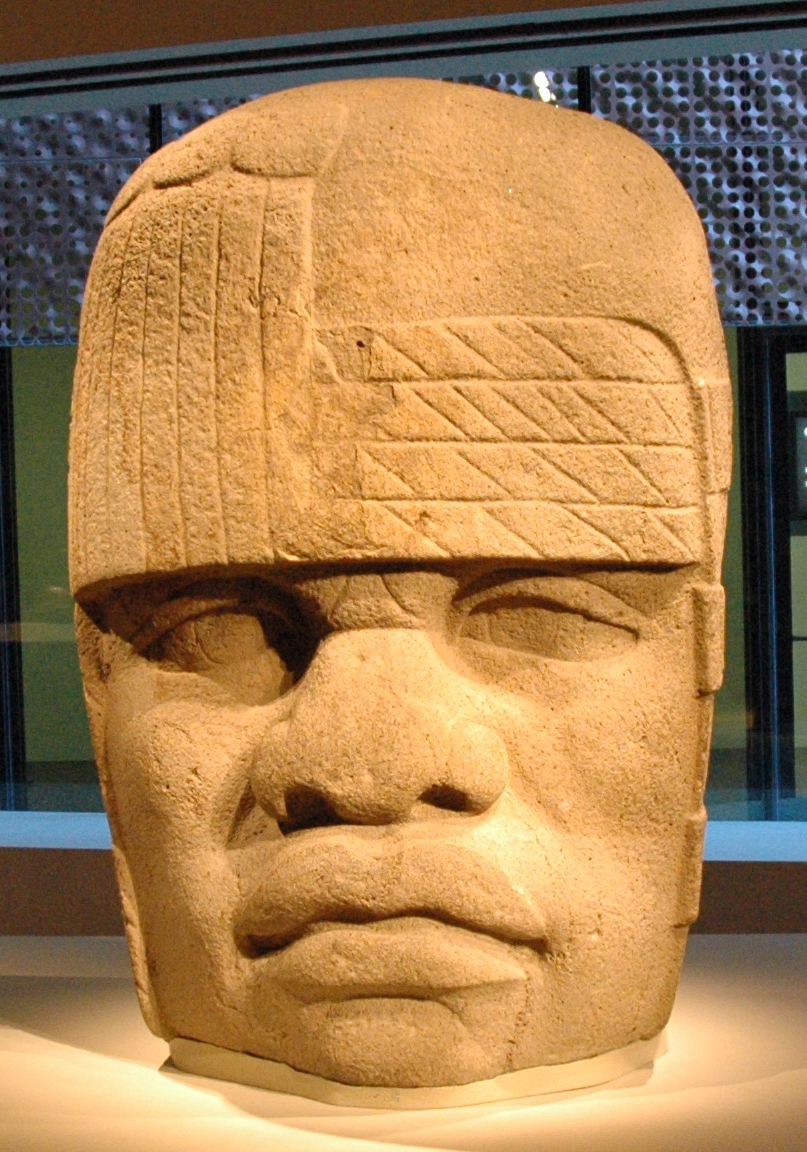
Photo: Marshall Astor (Life on the Edge), CC BY-SA 2.0, via Wikimedia Commons
The Olmec colossal heads represent one of ancient Mesoamerica's most enigmatic achievements — massive basalt sculptures depicting human faces carved by the Gulf Coast's first major civilization. At least 17 of these monumental works have been discovered across southern Mexico, with the largest specimens reaching approximately 11 feet in height and weighing up to 50 tons. Each head displays distinctive facial features and elaborate headdresses, carved from basalt quarried in the Sierra de los Tuxtlas volcanic range. The heads are distributed across major Olmec sites including La Venta, Tres Zapotes, and San Lorenzo, representing a sophisticated artistic tradition that flourished between approximately 1500 and 400 BC.
Timeline
Olmec civilization begins producing the first colossal heads during the early Formative period
Peak production period for colossal heads at major Olmec centers like San Lorenzo
Olmec civilization declines, ending the colossal head tradition
First colossal head discovered by archaeologist José Melgar y Serrano in Tres Zapotes
Matthew Stirling's excavations at La Venta reveal multiple colossal heads, establishing their archaeological significance
What the Show Claims
- ›The Olmec heads were crafted from basalt specifically chosen for magnetic anomalies, with magnetic fields concentrated at facial featuresS15E05
- ›Carving around magnetic fields required knowledge that could only have come from alien visitorsS15E05
- ›The heads were intended by extraterrestrials as magnetic data-storage devicesS15E05
From the Transcripts
“In Mexico, similar statues created by the Olmec civilization were also found to emit magnetic anomalies. These intricately carved heads vary in height from nearly five feet to over 11 feet tall, the largest weighing approximately 50 tons.”
What Archaeology Says
Archaeological investigations have revealed that the colossal heads were created through sophisticated stone-working techniques, with evidence of careful planning and execution. The basalt was quarried from the Cerro Cintepec area in the Tuxtla Mountains, requiring complex logistics to transport multi-ton blocks across distances of up to 100 miles to sites like La Venta. Tool marks and unfinished sculptures provide insight into Olmec carving methods, which likely involved stone hammers, chisels, and abrasives.
Key researchers including Matthew Stirling, Philip Drucker, and later scholars have documented the heads' distribution and characteristics through systematic excavations beginning in the 1930s. Each head appears to represent a specific individual, with unique facial features, expressions, and headdress designs that suggest portraits of rulers or elite figures. The craftsmanship demonstrates advanced understanding of sculptural proportion and three-dimensional form.
The scientific consensus holds that the colossal heads represent portraits of Olmec rulers, created to commemorate leadership and demonstrate political power. The massive scale and labor investment required for their creation indicates centralized authority capable of organizing large-scale projects. While the basalt does contain natural iron minerals that can exhibit magnetic properties, there is no evidence supporting theories about intentional magnetic field manipulation or data storage.
Several aspects of the colossal heads remain subjects of ongoing research, including the precise methods used for their transportation, the specific identity of individuals depicted, and the complete symbolic meaning of various headdress elements and facial modifications shown in the sculptures.
Mysteries & Fun Facts
The largest colossal head, known as Monument 1 from La Venta, stands approximately 9.4 feet tall and weighs an estimated 20 tons
Each head required an estimated 1,000 to 2,000 hours of skilled labor to complete, representing months of continuous work
Some heads show evidence of deliberate defacement or modification in ancient times, possibly related to political changes
The distinctive helmet-like headdresses depicted on the heads may represent protective gear worn during ritual ball games
Planning a Visit
The colossal heads are displayed at various locations including the Parque-Museo La Venta in Villahermosa, the Museo de Antropología de Xalapa, and several remain at their original archaeological sites. Many of the most accessible examples can be viewed at the La Venta Museum Park, which relocated several heads for public display and preservation.
Villahermosa, approximately 30 miles from La Venta archaeological zone
The dry season from December to April offers the most comfortable conditions for visiting outdoor sites, avoiding the intense heat and rainfall of summer months.
Related Sites
Palenque
Another major Mesoamerican site that demonstrates sophisticated stone carving and architectural techniques predating European contact
Teotihuacan
Represents the continuation of Mesoamerican monumental architecture and complex urban planning that began with the Olmec
Chichen Itza
Shows the evolution of Mesoamerican civilization and astronomical knowledge that built upon earlier Olmec foundations