San Luis Valley, Colorado
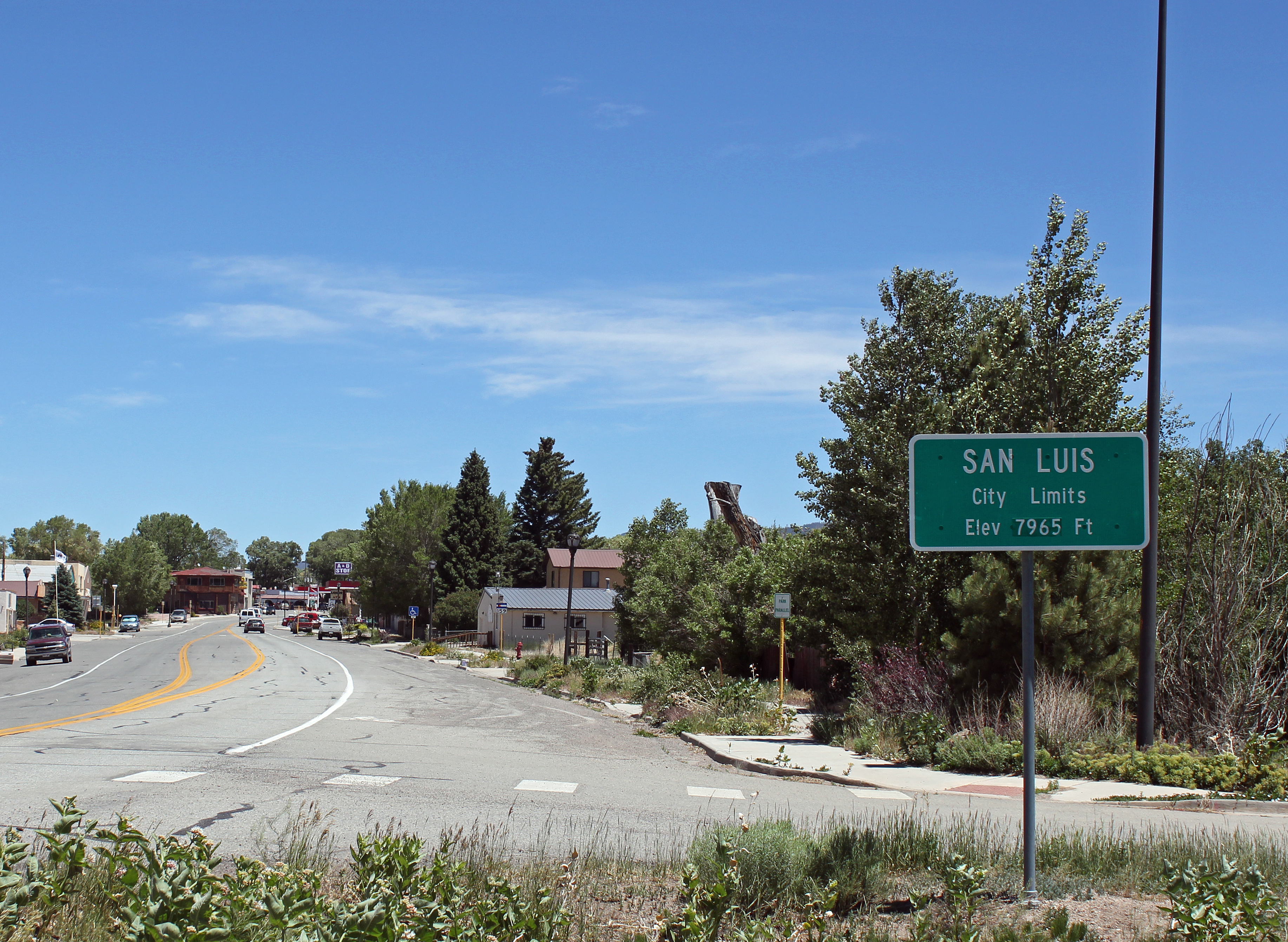
Photo: Jeffrey Beall, CC BY-SA 3.0, via Wikimedia Commons
The San Luis Valley spans approximately 8,000 square miles across south-central Colorado and northern New Mexico, nestled between the Sangre de Cristo Mountains to the east and the San Juan Mountains to the west. This high-altitude basin sits at roughly 7,500 feet above sea level, creating a unique geographical environment that has become synonymous with unexplained phenomena. The valley encompasses agricultural communities, ranches, and vast open spaces where the 1967 incident involving a horse named Lady (often misremembered as 'Snippy') occurred near the King family ranch. Today, visitors can explore the rural landscape where this foundational case in modern anomalous animal death investigations took place, though the exact location of the original incident remains on private property. Ancient Aliens theorists point to the 1967 incident and subsequent cattle mutilations across the valley as potential evidence of extraterrestrial biological sampling, citing the absence of blood and animal tracks as unusual for conventional predation. Mainstream investigators and veterinary experts attribute such cases to natural scavenging, predator activity, and post-mortem decomposition processes that can create misleading wound patterns, though the specific circumstances of individual cases remain subject to ongoing debate among researchers. The San Luis Valley's remote landscape and isolation continue to make it a focal point for both anomalous animal incident reports and scientific inquiry into their causes.
Timeline
Indigenous peoples, including ancestors of the Ute tribes, begin inhabiting the San Luis Valley
Zebulon Pike explores the valley, leading to eventual European-American settlement
Lady the horse is found dead under unusual circumstances near Alamosa, launching the modern era of animal mutilation investigations
Hundreds of similar cases reported throughout the American West, with the San Luis Valley remaining a focal point
What the Show Claims
- ›The 1967 mutilation of Lady the horse represents evidence of extraterrestrial genetic harvesting operations on EarthS14E10
- ›The absence of blood, tracks, and signs of struggle at mutilation sites suggests advanced non-human technology was usedS14E10
- ›The pattern of precise surgical cuts found on affected animals indicates tools beyond conventional human capabilityS14E10
Theorist Takes
“What we know is that something is harvesting body parts, blood, cells, DNA from animals.”
From the Transcripts
“San Luis Valley, Colorado. 1967. On the King family ranch, a horse named Lady is found dead in a pasture. The skull is stripped so clean of flesh that it appeared to have been exposed to the elements for weeks.”
What Archaeology Says
The San Luis Valley holds limited traditional archaeological significance compared to ancient constructed sites, but the 1967 Lady incident marked the beginning of systematic documentation of anomalous animal deaths across the American West. The original investigation, led by local sheriff Ben Phillips and later Colorado Bureau of Investigation officer Carl Whiteside, established protocols that would be followed in subsequent cases. Physical evidence collected included tissue samples and photographs, though much of the original material has been lost or degraded over the decades.
Subsequent investigations by researchers like Linda Moulton Howe have attempted to apply forensic science to similar cases throughout the region. These studies have documented consistent patterns including precise incisions, removal of specific organs and tissues, and absence of typical predation signs. However, mainstream veterinary pathologists and forensic experts generally attribute such characteristics to natural decomposition, scavenger activity, and the effects of environmental exposure on carcasses.
The scientific consensus remains that conventional explanations account for the observed phenomena, though some aspects of certain cases continue to generate debate among investigators. Weather patterns, wildlife behavior, and decomposition processes in the high-altitude environment of the San Luis Valley create unique conditions that may contribute to the unusual appearance of some animal remains.
What remains genuinely puzzling to some researchers is the statistical clustering of reports in certain geographical areas like the San Luis Valley, and the consistency of certain physical characteristics across widely separated cases. While natural explanations exist for individual incidents, the broader pattern of reports continues to generate discussion among both believers and skeptics in the scientific community.
Mysteries & Fun Facts
The horse's name was actually Lady, though it became widely misremembered as 'Snippy' in popular culture and media reports
The San Luis Valley sits atop one of the world's largest freshwater aquifers, creating unique geological conditions
The case generated so much interest that it attracted attention from both UFO researchers and conventional law enforcement agencies
Over 10,000 similar cases have been reported across the American West since the 1967 incident, with many concentrated in Colorado and surrounding states
Planning a Visit
The San Luis Valley is accessible via several highways, with US Route 160 providing the main east-west corridor through the region. While the specific site of the 1967 incident is on private ranch land, visitors can explore the general area and visit local museums that document the valley's history and cultural significance.
Alamosa, Colorado, approximately 10-20 miles from the general area of the original incident
Late spring through early fall offers the most favorable weather conditions, as winter temperatures can be severe at this high altitude. Summer provides the clearest access to rural areas and optimal conditions for exploring the valley's expansive landscape.
Related Sites
Roswell
Another major incident site where alleged extraterrestrial contact events sparked decades of investigation and cultural impact
White Sands Proving Ground
Military testing facility in the American Southwest associated with advanced aerospace technology and UFO-related incidents
Tunguska explosion site
Location of an unexplained aerial phenomenon that left physical evidence and generated long-term scientific interest