Nan Madol
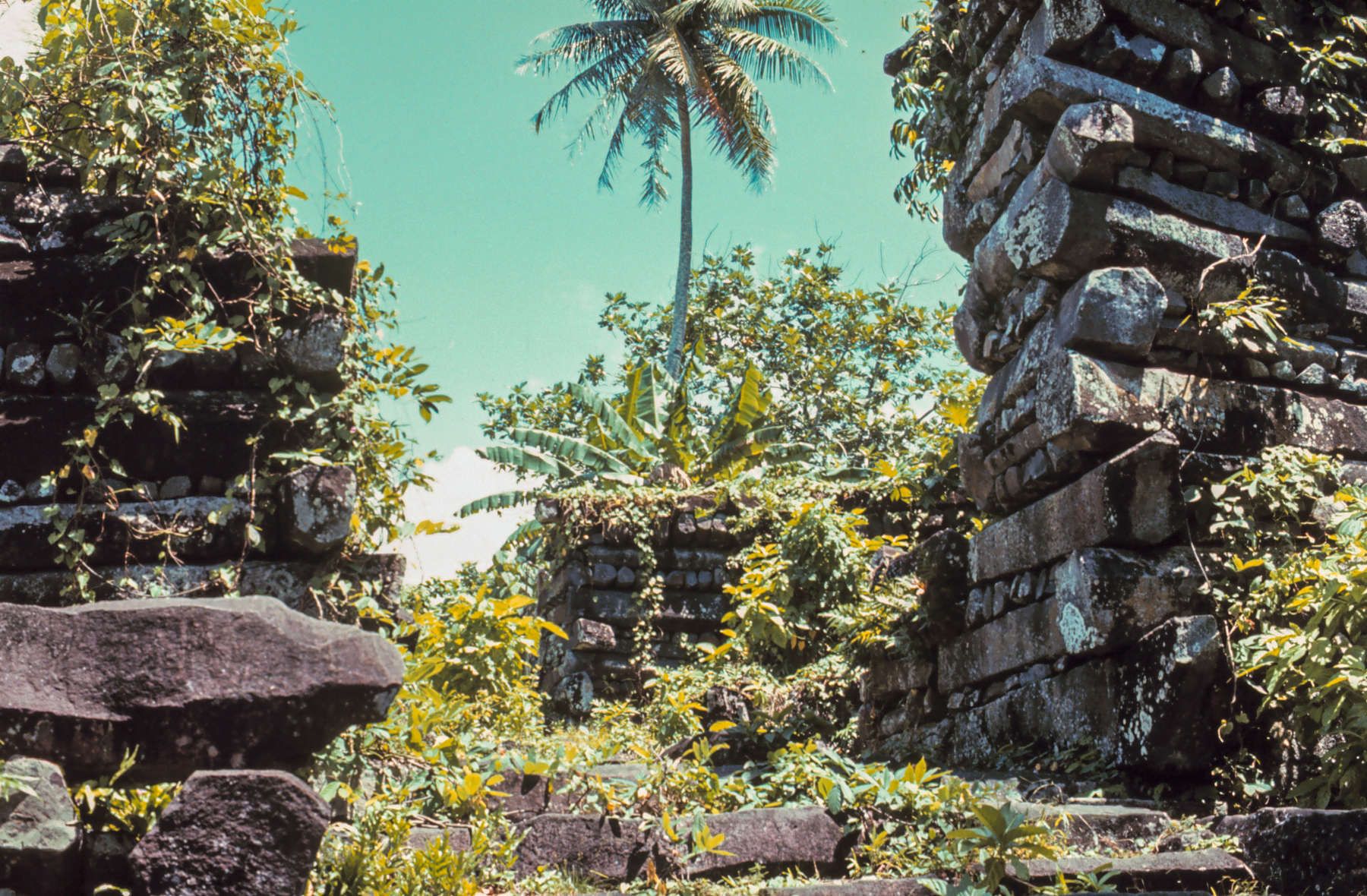
Photo: NOAA, Public domain, via Wikimedia Commons
Nan Madol is an extraordinary ancient city built entirely on a coral reef lagoon adjacent to Pohnpei island in Micronesia. The site consists of 92 artificial stone platforms connected by a network of tidal canals, covering an area of approximately 1.5 by 0.5 kilometers. Constructed from massive basalt columns and coral fill, the city appears to float on the water, earning it the nickname "Venice of the Pacific." The stone walls and platforms used an estimated 750,000 tons of basalt, creating one of the most remarkable feats of ancient Pacific engineering. Today, visitors can explore the partially submerged ruins by canoe, witnessing the massive stone columns that still stand after centuries of tropical weather and tidal action.
Timeline
Construction begins under the Saudeleur dynasty, establishing Nan Madol as their ceremonial and political capital
Major construction phases completed, with the city serving as center of Saudeleur power across Pohnpei
Saudeleur dynasty ends and Nan Madol is gradually abandoned as the political center
UNESCO inscribes Nan Madol as a World Heritage Site, recognizing its outstanding universal value
What the Show Claims
- ›Venice of the Pacific — built on artificial islands using massive basalt columnsS02E03S06E09S15E01S19E12
- ›Columns weigh up to 50 tons each — transported from quarries across the islandS15E01
- ›No known explanation for how the city was built on coral reefsS02E03S15E01
- ›Local legends say the city was built by twin sorcerers using flying dragons (alien craft)S06E09S15E01
- ›Submerged ruins extend far beyond the visible structuresS02E03S19E12
From the Transcripts
“The bizarre city of Nan Madol, were also matching this grid.”
What Archaeology Says
Archaeological investigations at Nan Madol have revealed sophisticated construction techniques that challenge assumptions about ancient Pacific capabilities. The Saudeleur dynasty builders quarried basalt columns from sites across Pohnpei island, then somehow transported these massive stones—some weighing dozens of tons—across the island and positioned them precisely on coral reef platforms. Excavations have shown that the artificial islands were built up systematically with coral fill and stone foundations, creating stable platforms in the tidal lagoon.
Modern engineering analysis suggests the builders could have floated the basalt columns on bamboo rafts during high tide, then maneuvered them into position using ropes, levers, and human labor. This technique would have required extraordinary coordination and engineering knowledge, but falls within the realm of human capability. Researchers have also discovered evidence of sophisticated drainage systems and ceremonial spaces that indicate Nan Madol served multiple functions beyond simple habitation.
The site's purpose as the ceremonial and administrative center of the Saudeleur dynasty is well-established through archaeological evidence and oral traditions. The various platforms served different functions—some for residences of nobles and priests, others for ceremonies, and still others for food preparation and storage. However, many questions remain unanswered, particularly about the precise construction sequence and the full extent of the settlement.
What continues to puzzle researchers is the sheer scale of the undertaking and how such massive construction was coordinated and completed over several centuries. The logistics of moving 750,000 tons of stone across water using only traditional Pacific technologies represents one of the most impressive ancient engineering projects in the Pacific region, yet the specific techniques remain largely theoretical based on what would have been possible with available materials and methods.
Mysteries & Fun Facts
The name Nan Madol means "within the intervals," referring to the network of canals that separate the artificial islands
The original name was Soun Nan-leng, meaning "Reef of Heaven," according to historical records
Despite being called the "Venice of the Pacific," Nan Madol predates Venice's major canal construction by several centuries
The site contains more stone than some Egyptian pyramids, yet was built on a coral reef using Pacific island technologies
Planning a Visit
Nan Madol is generally accessible to visitors, though reaching the site requires boat transportation from Pohnpei island and local guides are recommended for navigation through the tidal canals. The partially submerged ruins are best explored by canoe or small boat, allowing visitors to appreciate the massive scale of the stone construction up close.
Kolonia, Pohnpei (approximately 20 kilometers southwest)
The dry season from December to April offers the most favorable conditions for boat access and exploration of the ruins. Visit during low tide for the best views of the stone foundations and platforms.
Featured Locations2 sites within this area
Nan Madol, Pohnpei
Federated States of MicronesiaKanamwayso (submerged ruins off Nan Madol)
Federated States of MicronesiaRelated Sites
Puma Punku
Features massive stone blocks with precise fitting that challenges conventional understanding of ancient construction methods
Sacsayhuaman
Demonstrates sophisticated ancient stonework using large blocks transported over difficult terrain
Great Zimbabwe
Represents another impressive ancient African city that served as a political and ceremonial center
Featured In4 episodes
Historical data sourced from Wikipedia