Tula (Temple of Quetzalcoatl / Toltec Warriors)
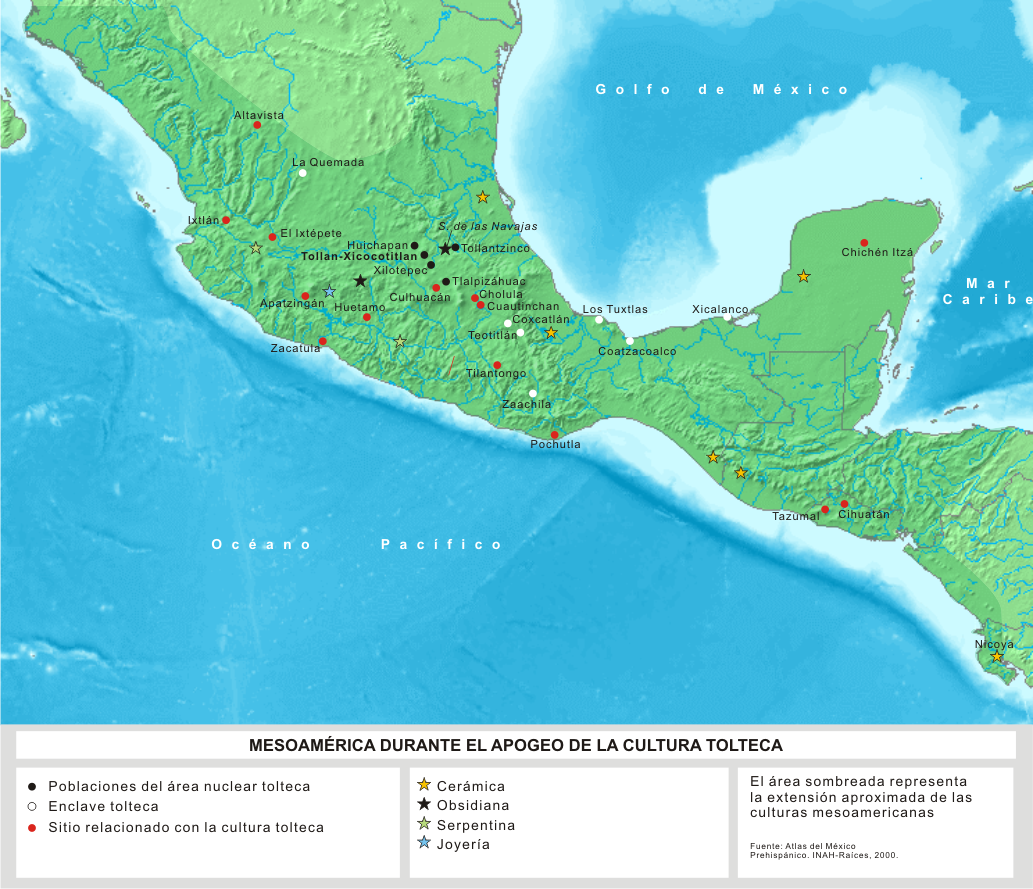
Photo: Yavidaxiu, CC BY-SA 3.0, via Wikimedia Commons
Tula serves as one of Mexico's most enigmatic archaeological sites, featuring the iconic Atlantean warrior columns that have captivated visitors for decades. Located approximately 45 miles north of Mexico City in the state of Hidalgo, this ancient Toltec capital showcases four massive basalt columns, each standing over 13 feet tall and weighing approximately 8.5 tons. These monolithic figures crown the Pyramid B, also known as the Temple of Quetzalcoatl, creating one of Mesoamerica's most distinctive architectural ensembles. The site encompasses several pyramids, ball courts, and ceremonial structures spread across the ancient urban center that once dominated central Mexico.
Timeline
Toltec civilization establishes Tula as their capital city
Peak period of Toltec power and influence across Mesoamerica
Decline and abandonment of Tula as a major urban center
Major archaeological excavations uncover and re-erect the fallen Atlantean columns
What the Show Claims
- ›The basalt Toltec warrior columns depict beings wearing pressurized suits with helmets, chest packs, and communication devicesS15E05
- ›The three-fingered hands on the statues indicate non-human origins rather than artistic stylizationS15E05
- ›The deliberate burial of the columns underground was an attempt to neutralize their energy or portal functionsS15E05
Theorist Takes
“These giant statues of Tula-- they had a range of odd features, but particularly notable are the fact that some of them have three fingers. It's as if these guys are standing inside some pressurized suits-- they have these packs on their chest, they have helmets on and they have what seem to be headsets.”
From the Transcripts
“Standing guard atop a 30-foot tall pyramid dedicated to the feathered serpent god Quetzalcoatl are four imposing warrior figures, each over 13 feet tall.”
What Archaeology Says
Archaeological investigations at Tula began in earnest during the 1940s and 1950s, when Mexican archaeologists discovered the famous Atlantean columns lying toppled and deliberately buried beneath layers of earth and debris. The careful excavation revealed that these monuments had been intentionally dismantled and interred, likely during the site's abandonment around 1150 AD. Researchers have identified the figures as representations of Toltec warriors or deities, noting the intricate carved details including elaborate headdresses, ceremonial attire, and ritual implements.
The columns originally supported the roof of the main temple atop Pyramid B, serving both structural and symbolic functions in Toltec religious architecture. Each figure displays consistent iconographic elements including butterfly-shaped pectorals, feathered headdresses, and ceremonial weapons, all consistent with known Toltec artistic traditions. The basalt material itself was quarried from distant volcanic sources, demonstrating the considerable engineering capabilities of the Toltec civilization.
Scholars generally agree that Tula represents the historical Tollan described in later Aztec legends, the legendary birthplace of the feathered serpent deity Quetzalcoatl. The site's architectural influence extended throughout Mesoamerica, with clear stylistic connections visible at Chichen Itza in the Yucatan Peninsula. However, questions remain about the specific reasons for the site's sudden abandonment and the ritualistic burial of its most prominent monuments.
Ongoing research continues to reveal new insights about Toltec society, trade networks, and religious practices, though much about their writing system and detailed historical records remains poorly understood. The relationship between Tula and other Mesoamerican centers, particularly the extent of Toltec political and cultural influence, continues to generate scholarly debate among archaeologists and historians.
Mysteries & Fun Facts
Each Atlantean column was carved from a single massive block of basalt transported from distant quarries
The columns were discovered lying face-down in a deliberate pattern, suggesting ritualistic dismantling rather than natural collapse
Tula's influence reached as far as Chichen Itza, over 1,000 miles away, where similar architectural elements appear
The site's original name was likely Tollan, meaning 'place of reeds' in Nahuatl
Planning a Visit
Tula is generally accessible to visitors as a Mexican National Monument, with the site typically open during regular daytime hours. The archaeological zone includes well-maintained pathways leading to the main pyramid and column area, though visitors should check current opening times and any seasonal restrictions before traveling.
Tula de Allende (directly adjacent) and Mexico City (approximately 45 miles southeast)
The dry season from November through April offers the most comfortable weather conditions for exploring the site. Early morning visits are recommended to avoid crowds and intense midday heat.
Featured Locations2 sites within this area
Temple of Quetzalcoatl (Tula), Tula de Allende
MexicoTula (Tollan)
MexicoRelated Sites
Chichen Itza - Kukulkan Temple
Shows clear architectural and iconographic influences from Tula, particularly in the Temple of Warriors complex
Teotihuacan
Represents an earlier Mesoamerican urban center with similar monumental architecture and mysterious abandonment
Cahokia Mounds
Another major pre-Columbian urban center that was mysteriously abandoned and later deliberately buried or concealed