National Archaeological Museum of Cagliari
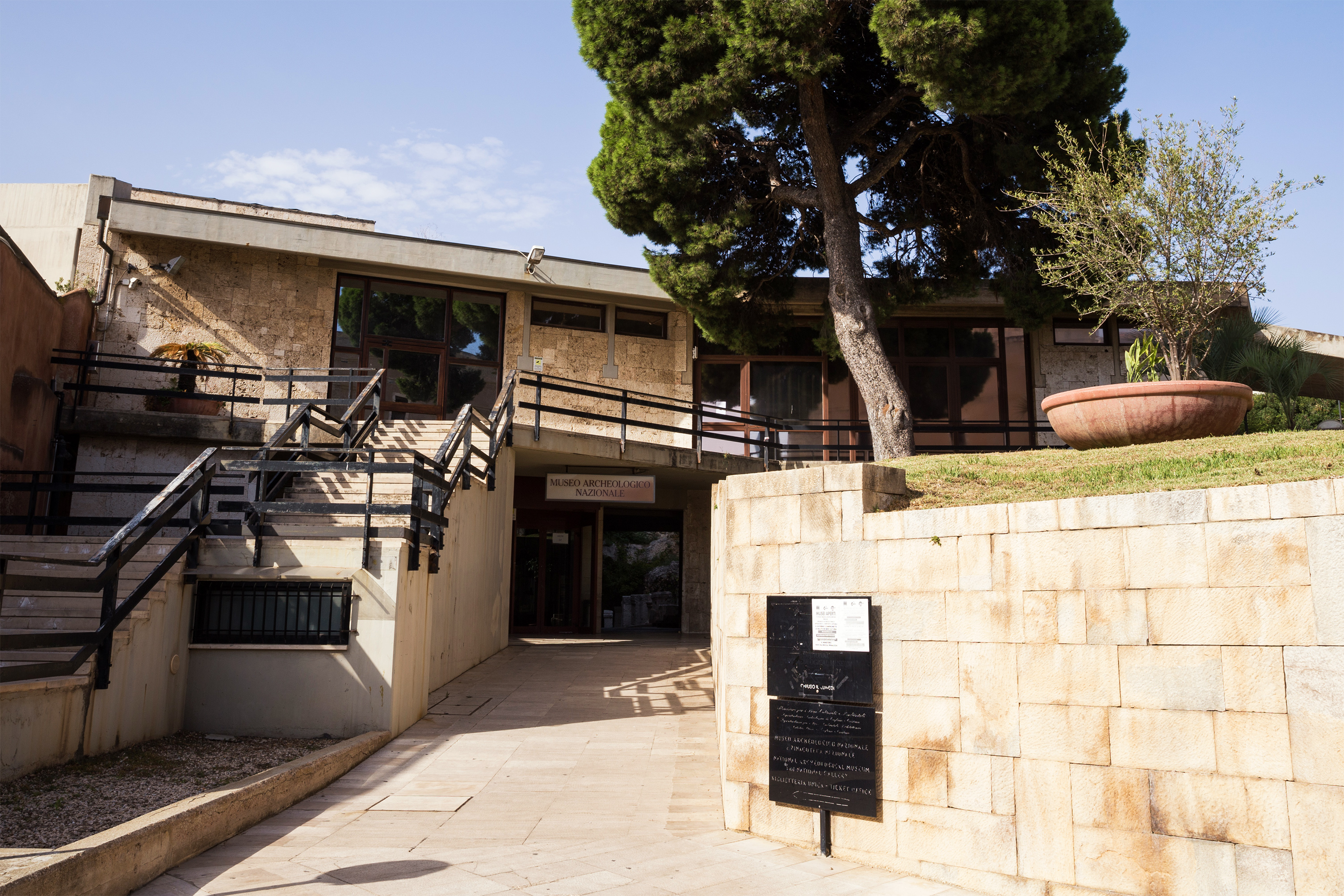
Photo: Unukorno, CC BY 4.0, via Wikimedia Commons
The National Archaeological Museum of Cagliari houses one of archaeology's most enigmatic discoveries: the Giants of Mont'e Prama, a collection of monumental stone statues that tower approximately seven and a half to eight feet tall. Located in Sardinia's capital city, the museum displays these remarkable Nuragic sculptures alongside other artifacts from the island's Bronze Age civilization. The Giants represent the earliest known large-scale stone sculptures from the western Mediterranean, with over 5,000 fragments recovered from the original site. The museum's collection provides visitors with the most comprehensive view of Nuragic culture, a sophisticated civilization that flourished on Sardinia from approximately 1800 BC to 200 AD.
Timeline
Beginning of Nuragic civilization on Sardinia
Estimated creation period of the Giants of Mont'e Prama statues
Farmer discovers first carved stone fragment, leading to major archaeological excavation
Restored Giants of Mont'e Prama go on display at the National Archaeological Museum of Cagliari
What the Show Claims
- ›The Giants of Mont'e Prama display non-human, robotic features with strange circular eyes that suggest extraterrestrial or Anunnaki originsS13E08
- ›The statues' unusual proportions and facial features indicate the Nuragic people were depicting hybrid beings rather than human warriorsS13E08
Theorist Takes
“I believe that these statues simply do not conform to the conventional archaeological narrative on the island, and instead, point to the reality that there was something very unusual happening on this island.”
From the Transcripts
“Featured in the museum's collection are a number of enormous stone statues known as the Giants of Mont'e Prama. They were first discovered in 1974, when a local farmer stumbled upon a large carved stone protruding from the ground.”
What Archaeology Says
The discovery of the Giants of Mont'e Prama began in 1974 when a farmer near the village of Cabras unearthed a carved stone head while plowing his field. Subsequent archaeological excavations revealed a treasure trove of over 5,000 sandstone fragments scattered across the site, representing what appeared to be a complex of monumental statues. The fragmented condition suggested the sculptures had been deliberately destroyed in antiquity, possibly during conflicts with Carthaginian or Roman forces.
Archaeological analysis has identified the statues as representing three distinct types of figures: warriors carrying shields, archers with bows, and boxers wearing protective gloves. The sculptures are carved from local sandstone and display a distinctive artistic style characterized by geometric patterns, stylized facial features, and the famous circular eyes that have captured researchers' attention. Carbon dating of organic materials found at the site suggests the statues were created between the 11th and 8th centuries BC.
The painstaking restoration process, completed in 2011, involved piecing together thousands of fragments like a massive three-dimensional puzzle. Researchers used advanced imaging techniques and computer modeling to reconstruct the original forms. The scientific consensus interprets these sculptures as representations of Nuragic warriors and athletes, possibly serving as guardian figures for a sacred necropolis. The statues' imposing height and formal arrangement suggest they held significant religious or ceremonial importance in Nuragic society.
Despite decades of study, many aspects of the Giants remain enigmatic. The exact original arrangement of the statues at Mont'e Prama is still debated, and the specific religious beliefs they represent are largely unknown. The sophisticated sculptural techniques demonstrated by the Giants also raise questions about potential cultural exchanges between the Nuragic people and other Mediterranean civilizations, as monumental stone sculpture was relatively uncommon in prehistoric Europe.
Mysteries & Fun Facts
The Giants of Mont'e Prama are considered the earliest known large-scale stone sculptures in the western Mediterranean
Each statue was carved from a single block of local sandstone quarried from nearby deposits
The restoration project took over a decade to complete and involved reassembling thousands of fragments
Archaeological evidence suggests the original site may have contained up to 40 individual statues
Planning a Visit
The National Archaeological Museum of Cagliari is generally accessible to visitors year-round, with the Giants of Mont'e Prama displayed in a dedicated exhibition space. The museum provides detailed information about Nuragic culture and the restoration process, offering visitors context for understanding these remarkable sculptures. Check local tourism sites for current opening hours and ticket information.
Cagliari (the museum is located within the city center)
Spring through early fall offers the most comfortable weather for exploring Cagliari and the surrounding archaeological sites. Summer can be quite hot, but the museum provides a cool, climate-controlled environment perfect for escaping the Mediterranean heat.
Related Sites
Nuraghe Su Nuraxi
Another major Nuragic archaeological site in Sardinia, representing the civilization that created the Giants
Ħaġar Qim
Megalithic temple complex on nearby Malta, showing similar Mediterranean Bronze Age monumental architecture
Mnajdra Temples
Prehistoric temple site that demonstrates the sophisticated stone-working abilities of ancient Mediterranean cultures