National Museum of Canada, Ottawa
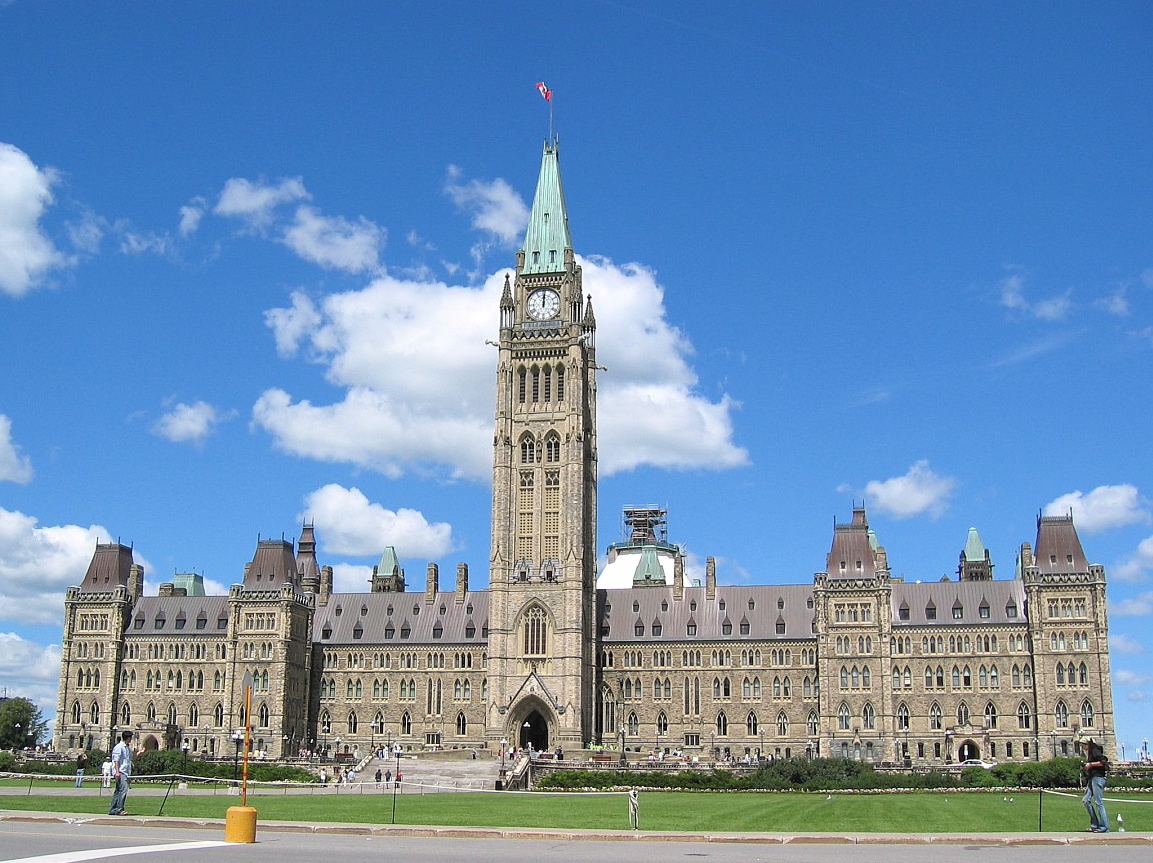
Photo: No machine-readable author provided. Arctic.gnome assumed (based on copyright claims)., CC BY 2.5, via Wikimedia Commons
The National Museum of Nature in Ottawa (now part of the Canadian Museum of Nature) served as the institutional home where paleontologist Dale Russell conducted his groundbreaking research on dinosaur evolution. The museum houses extensive paleontological collections including numerous Troodon fossils and other Late Cretaceous specimens that informed Russell's work. Located in Ottawa's historic Victoria Memorial Museum Building, the institution has been Canada's premier natural history museum since 1910. The museum's research facilities and collections provided the scientific foundation for Russell's influential 1982 dinosauroid hypothesis.
Timeline
Victoria Memorial Museum Building opens, establishing Canada's national natural history collection
Dale Russell publishes his dinosauroid thought experiment while working at the museum
Museum undergoes major renovations and modernization
What the Show Claims
- ›Russell's dinosauroid thought experiment provides scientific validation for reptilian humanoidsS08E05
- ›The bipedal humanoid form could represent either Earth evolution or extraterrestrial originsS08E05
Theorist Takes
“If the dinos hadn't have died out, this would have become what he called the dinosauroid, an upright, standing, semi humanoid, semi reptilian entity, what we might call a reptoid.”
From the Transcripts
“At The National Museum of Canada, paleontologist and curator of vertebrate fossils, Dale Russell, publishes a thought experiment based on the trend toward larger brain sizes and the upright posture of dinosaurs.”
What Archaeology Says
While the National Museum of Canada itself is not an archaeological site, it served as the institutional setting for one of paleontology's most intriguing thought experiments. Dale Russell, working with the museum's extensive dinosaur fossil collections, developed his dinosauroid hypothesis based on detailed analysis of Troodon formosus remains. Troodon was a small theropod dinosaur from the Late Cretaceous period, approximately 75 million years ago, notable for its relatively large brain size and stereoscopic vision.
Russell's research drew on comparative anatomy and evolutionary biology principles to extrapolate what might have happened if non-avian dinosaurs had survived the Cretaceous-Paleogene extinction event. His dinosauroid model, created with sculptor Ron Séguin, featured an upright posture, enlarged cranium, and reduced tail — characteristics that Russell argued might emerge through evolutionary pressures toward intelligence and tool use. The work was published in the peer-reviewed journal Syllogeus and presented as a speculative exercise in evolutionary convergence.
The scientific community generally regards Russell's dinosauroid as an interesting thought experiment rather than a predictive model. Modern paleontological research suggests that avian dinosaurs (birds) represent the actual evolutionary pathway that survived the mass extinction. However, Russell's work remains influential in discussions about evolutionary possibilities and convergent evolution, continuing to generate scientific debate about intelligence evolution in different lineages.
The museum's role in housing and studying Canada's paleontological heritage provides the institutional context for understanding how scientific speculation intersects with rigorous research. While Russell's dinosauroid remains hypothetical, the fossil collections and research infrastructure that informed his work represent genuine contributions to our understanding of prehistoric life and evolutionary processes.
Mysteries & Fun Facts
Dale Russell's dinosauroid model stands approximately 4 feet tall and was created with sculptor Ron Séguin in 1982
Troodon had one of the largest brain-to-body ratios of any known dinosaur, leading to speculation about its intelligence
The Victoria Memorial Museum Building was designed in the Scottish Baronial style and originally housed Canada's national museum collections
Russell's work helped popularize the concept of evolutionary convergence in popular science discussions
Planning a Visit
The Canadian Museum of Nature in Ottawa is open to visitors year-round, featuring extensive paleontological exhibits including dinosaur fossils and evolutionary displays. The museum's collections and research facilities can be explored through guided tours and interactive exhibits. Visitors should check the museum's official website for current hours and special exhibitions.
Located in Ottawa, Canada's capital city
The museum offers indoor exhibits accessible throughout the year, with spring and fall providing comfortable weather for exploring Ottawa's other attractions. Summer months tend to be busiest with family visitors and tourists.
Related Sites
Cambridge University
Cambridge University represents another academic institution where scientific theories about evolution and extraterrestrial life have been developed and debated
Royal Society, London
The Royal Society in London has historically been the venue for presenting groundbreaking scientific theories, including evolutionary concepts
Roswell
Roswell connects to the broader theme of reptilian extraterrestrial theories that Ancient Aliens theorists link to Russell's dinosauroid hypothesis