Kholat Syakhl (Mountain of the Dead / Dyatlov Pass)
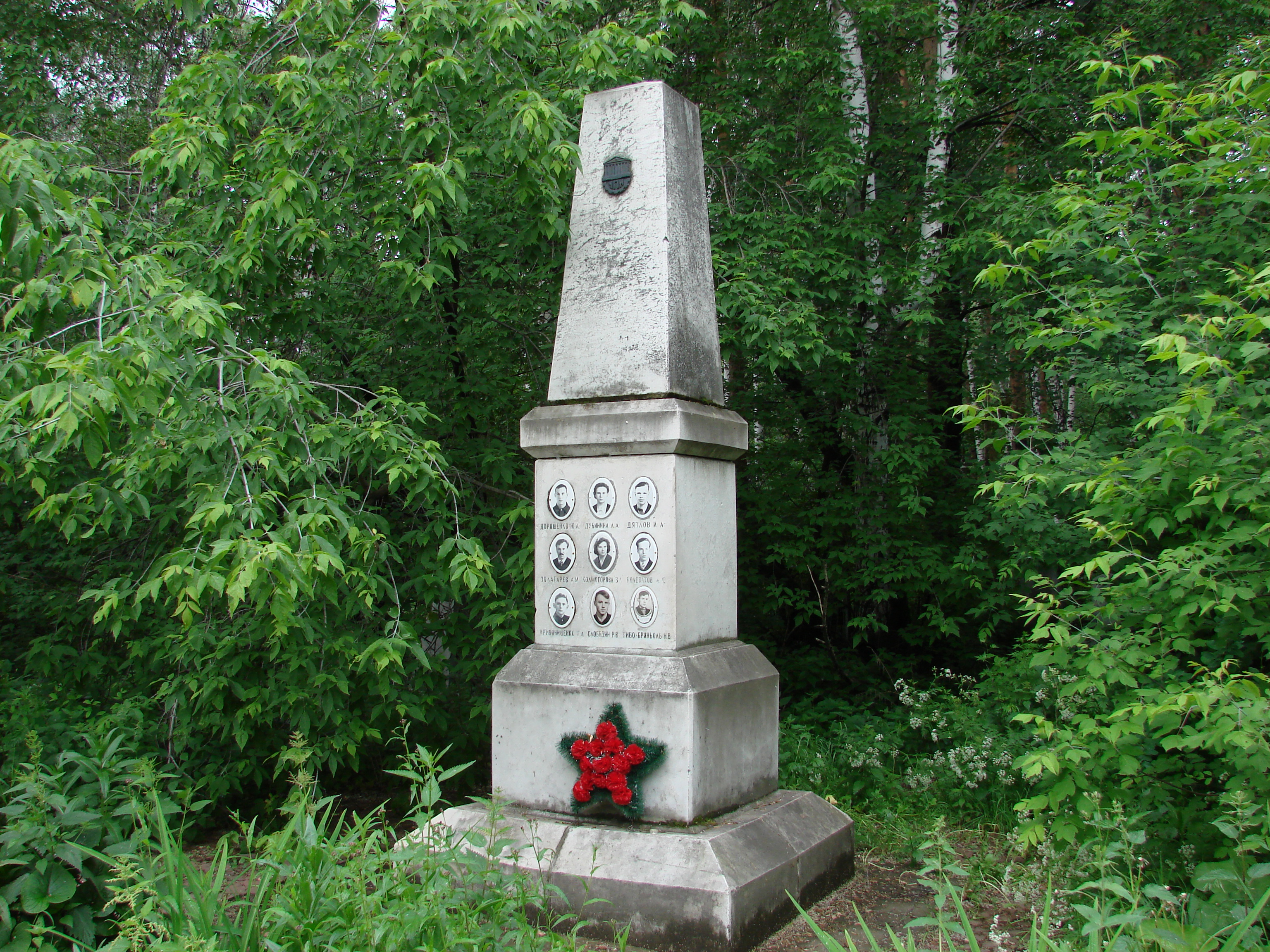
Photo: Дмитрий Никишин. The original uploader was Futball80 at Russian Wikipedia., Public domain, via Wikimedia Commons
Kholat Syakhl, known as the "Mountain of the Dead" in the indigenous Mansi language, rises approximately 1,079 meters above sea level in the northern Ural Mountains of Russia. This remote peak gained international notoriety as the location of the Dyatlov Pass incident, one of history's most perplexing unsolved mysteries. The mountain sits within a harsh subarctic landscape characterized by dense forests, rocky outcrops, and extreme weather conditions that can shift rapidly from clear skies to blizzard conditions. Today, the site remains largely unchanged from 1959, with the actual incident location marked by a memorial plaque and occasional visits from investigators, mountaineers, and mystery enthusiasts. The terrain is challenging, featuring steep slopes, unpredictable weather patterns, and temperatures that can plummet to -30°C or lower during winter months. Some researchers and alternative investigators have proposed that the hikers may have encountered an unexplained aerial phenomenon or energy source on the mountain, pointing to unusual physical symptoms and the mysterious circumstances of their deaths as evidence of something beyond conventional explanation. However, mainstream investigators have attributed the deaths to a combination of hypothermia, avalanche, and panic-induced decisions, though the exact sequence of events remains contested even among scientific experts. The case continues to fuel debate precisely because inconsistencies in the official Soviet investigation leave room for multiple interpretations of the evidence.
Timeline
Nine experienced hikers led by Igor Dyatlov begin their fatal expedition to reach Otorten Mountain
The Dyatlov group sets up their final camp on the slopes of Kholat Syakhl before their mysterious deaths
Search teams discover the abandoned tent cut open from inside and begin recovering bodies over several weeks
Post-Soviet era investigations and document releases reignite international interest in the case
What the Show Claims
- ›The nine Dyatlov hikers were killed by extraterrestrial orbs or probes whose intense energy caused radiation poisoning and internal injuriesS03E10
- ›The mountain sits on an active dimensional portal that explains the anomalous eventsS03E10
- ›The victims showed signs of premature aging and other physical effects consistent with exposure to unknown energy sourcesS03E10
Theorist Takes
“It's not a coincidence that UFOs were reported by these hikers in the Ural Mountains in the Place of the Dead, 'Do not go there,' or so on 'cause I believe that many UFO sightings come in here from a parallel reality, and they come through portals. And this area may be a hot portal.”
From the Transcripts
“a mountain called Otorten, which in the local Mansi language means, 'Do not go there.' ...they camp atop an area called Kholate Syakhal, which in Mansi translates to 'The Mountain of the Dead.'”
What Archaeology Says
The Dyatlov Pass incident represents one of the most thoroughly documented yet unexplained tragedies in modern history, though it falls outside traditional archaeological study. The initial Soviet investigation, led by prosecutor Lev Ivanov, uncovered evidence that continues to baffle researchers today. The hikers' tent was discovered cut open from the inside, with their belongings left behind as they fled into the frigid night wearing minimal clothing.
Forensic examination of the victims revealed a disturbing array of injuries and anomalies. Some bodies showed severe internal trauma without external wounds, while others exhibited what appeared to be radiation exposure on their clothing. Two victims were found with missing eyes and tongue, though investigators attributed this to natural decomposition and scavenging. The official cause of death was listed as hypothermia, but the lead investigator notably refused to sign the final report.
Modern researchers and investigators have proposed numerous theories ranging from military testing of secret weapons to natural phenomena like katabatic winds or infrasound. Some have suggested avalanche or animal attack, while others point to indigenous Mansi warnings about the mountain being cursed. The case files were classified for decades, fueling speculation about government cover-ups.
Despite numerous expeditions and investigations over six decades, key questions remain unanswered. The exact sequence of events that caused nine experienced mountaineers to flee their shelter remains unknown, as does the source of the radiation detected on some clothing items. Recent Russian official investigations have favored natural explanations, but the case continues to attract researchers worldwide seeking to solve this enduring mystery.
Mysteries & Fun Facts
The mountain's Mansi name "Kholat Syakhl" literally translates to "Mountain of the Dead," a name that predated the 1959 incident by centuries
The Dyatlov Pass incident has inspired numerous books, documentaries, and films, making it one of Russia's most internationally famous unsolved mysteries
Some of the victims' clothing was found to contain levels of radiation that were significantly higher than normal background radiation
The case files remained classified by Soviet authorities for over 30 years, only becoming partially accessible after the fall of the USSR
Planning a Visit
Reaching Kholat Syakhl requires significant mountaineering experience and proper permits, as the area is remote and potentially dangerous. Most visitors approach through organized expeditions that include local guides familiar with the challenging terrain and unpredictable weather conditions. The memorial site can be accessed, though visitors should be prepared for harsh conditions and limited infrastructure.
Yekaterinburg, approximately 300 kilometers southeast
Summer months from June to August offer the most favorable conditions with milder temperatures and longer daylight hours. Winter expeditions are extremely challenging and recommended only for highly experienced mountaineers due to severe weather conditions similar to those faced by the original Dyatlov group.
Related Sites
Tunguska explosion site
Another mysterious event in the Russian wilderness that has been linked to extraterrestrial activity and unexplained phenomena
Roswell
Both locations are associated with alleged government cover-ups of extraterrestrial encounters and mysterious deaths
37th Parallel (Global UFO Superhighway)
Part of a theorized global pattern of UFO activity and unexplained incidents occurring along specific geographical coordinates