Volcán de Colima
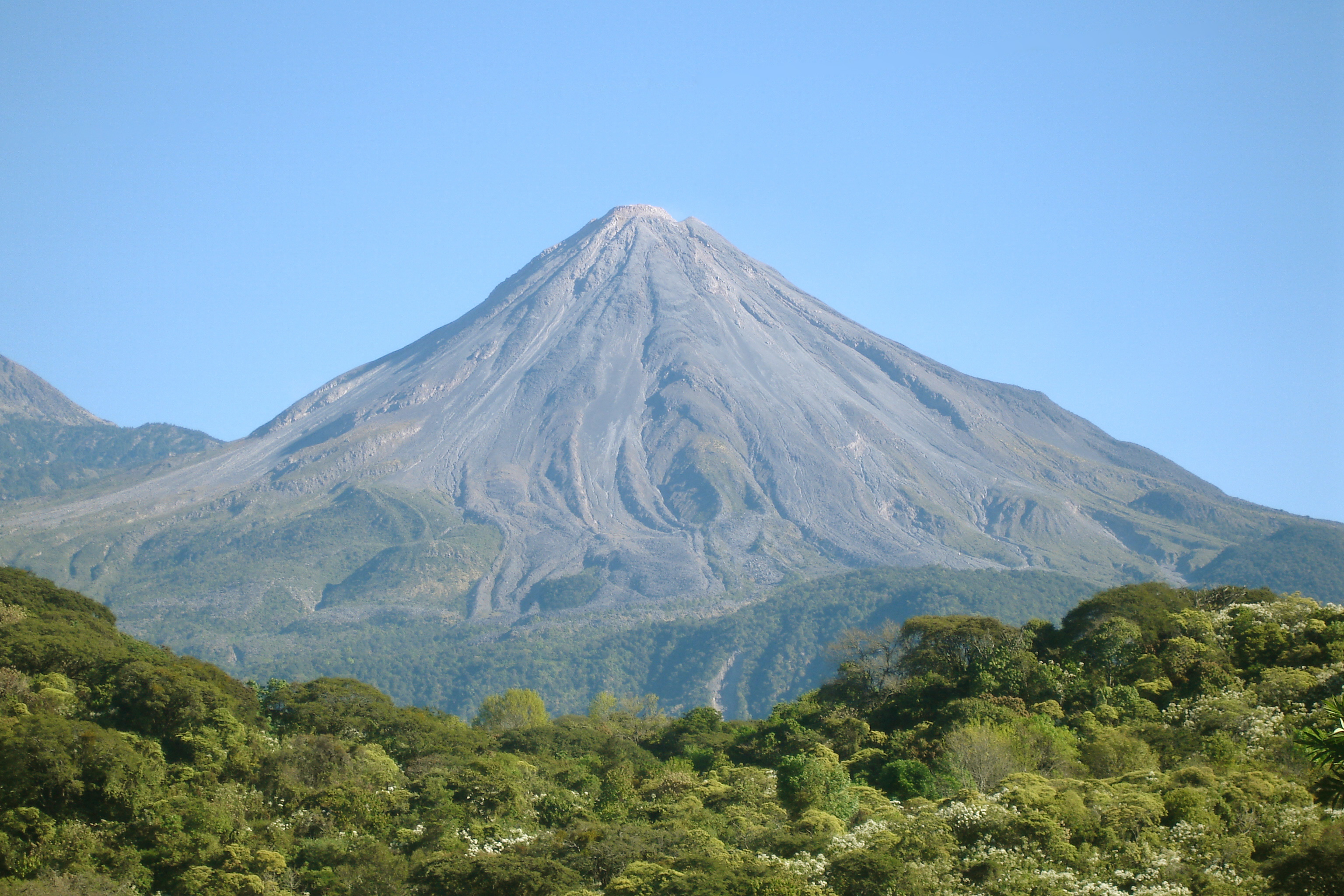
Photo: Jrobertiko, CC BY-SA 3.0, via Wikimedia Commons
Volcán de Colima, standing at 4,260 meters (13,980 feet), is one of Mexico's most active and dangerous volcanoes, known locally as Volcán de Fuego or 'Fire Volcano.' Part of the larger Colima Volcanic Complex alongside the taller Nevado de Colima, this stratovolcano has been erupting for nearly 5 million years and has recorded more than 40 major eruptions since 1576. Located primarily in Jalisco state despite its name, the volcano sits about 485 kilometers west of Mexico City in the Trans-Mexican Volcanic Belt. A parasitic dome complex called El Volcancito has formed on its northeast flank since the 1870s, adding to the geological complexity of this highly monitored volcanic system.
Timeline
Volcán de Colima begins current phase of volcanic activity as part of ongoing 5-million-year cycle
First documented eruption begins recorded history of volcanic activity
Formation of El Volcancito parasitic dome complex on northeast flank
One of the largest recorded eruptions occurs from January 20-24
Classified as one of the most active volcanoes in North America and Mexico
What the Show Claims
- ›Scientists working on Volcán de Colima report seeing stationary unexplained lights above the crater that cannot be explained as lightning or stars, suggesting anomalous phenomena associated with volcanic activityS21E10
What Archaeology Says
While Volcán de Colima is primarily studied through volcanological rather than archaeological research, scientists have continuously monitored this stratovolcano due to its extreme activity and danger to surrounding populations. The volcano's frequent eruptions and explosive nature have made it a focal point for understanding volcanic processes in the Trans-Mexican Volcanic Belt, with researchers documenting its behavior patterns since the 16th century.
Geological surveys have revealed the complex structure of the Colima Volcanic Complex, showing how the younger Volcán de Colima formed alongside its dormant neighbor Nevado de Colima and the extinct El Cántaro. The formation of El Volcancito, the parasitic dome system that emerged in the 1870s, provides scientists with insights into how volcanic systems evolve over time. Modern monitoring equipment now tracks seismic activity, gas emissions, and thermal patterns to predict eruptions.
The scientific consensus identifies Volcán de Colima as a classic stratovolcano formed by subduction zone processes, where the Cocos Plate slides beneath the North American Plate. This geological setting creates the explosive eruptions that have characterized the volcano throughout recorded history. The 1913 eruption remains one of the most significant events in its modern history, providing valuable data about the volcano's destructive potential.
What remains genuinely intriguing to researchers are the unusual atmospheric phenomena occasionally observed around the crater, including unexplained light formations that don't correlate with typical volcanic emissions or atmospheric conditions. These observations, while rare, have prompted ongoing investigation into the electromagnetic properties of highly active volcanic systems.
Mysteries & Fun Facts
Despite being named after Colima state, most of the volcano's surface area actually lies in neighboring Jalisco state
Nevado de Colima, the volcano's dormant neighbor, is the 26th-most prominent peak in North America at 4,271 meters
The volcano has maintained nearly continuous activity for 5 million years, making it one of the longest-active volcanic systems in North America
El Volcancito parasitic domes formed in just nine years during the 1870s, demonstrating the rapid geological changes possible at active volcanoes
Planning a Visit
Volcán de Colima is generally not accessible for casual tourism due to its active and dangerous nature, with restricted zones enforced for public safety. Viewing is typically limited to distant observation points and organized tours that maintain safe distances from the volcanic complex.
Guadalajara, Jalisco, approximately 125 kilometers north
Clear weather conditions during dry season months (November through April) offer the best visibility for distant observation of the volcano.
Related Sites
Teotihuacan
Another significant Mexican site associated with unexplained phenomena and ancient mysteries explored on Ancient Aliens
Chichen Itza - Kukulkan Temple
Major Mexican archaeological site that has been featured on the show for its astronomical alignments and mysterious construction techniques
Zone of Silence
Mexican location known for strange electromagnetic anomalies and unexplained phenomena, similar to the unusual lights reported at Volcán de Colima
Featured In1 episodes
Historical data sourced from Wikipedia