Amazon Basin Shamanic Sites
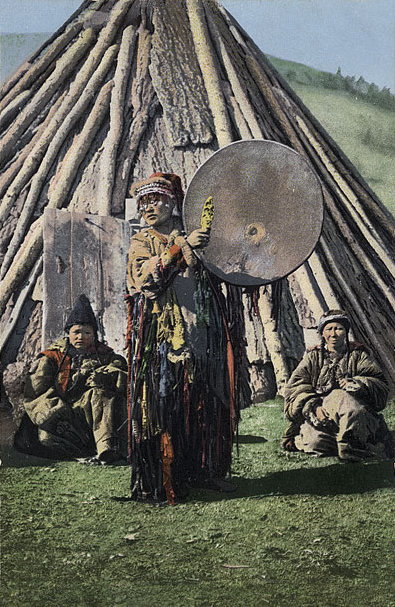
Photo: Sergei Ivanovich Borisov, Public domain, via Wikimedia Commons
The Amazon Basin encompasses a vast network of indigenous shamanic sites scattered throughout approximately 5.5 million square kilometers of rainforest across multiple South American countries. These sacred locations include ceremonial clearings, ritual caves, and traditional healing centers where indigenous shamans have practiced plant medicine ceremonies for thousands of years. The sites are characterized by their integration with the natural forest environment, often featuring circular clearings, traditional maloca structures, and carefully tended medicinal plant gardens. The Amazon Basin represents one of the world's most biodiverse regions, containing an estimated 10% of all known species and serving as the spiritual and cultural homeland for over 400 distinct indigenous groups. Some theorists have proposed that Amazonian shamans' knowledge of ayahuasca and their descriptions of otherworldly journeys might indicate contact with extraterrestrial beings who shared this botanical wisdom. However, anthropological research suggests that indigenous peoples developed these sophisticated plant combinations through millennia of systematic experimentation, observation, and cultural transmission—a process well-documented across numerous indigenous knowledge systems worldwide. The shamanic cosmologies describing non-human entities and realms may reflect profound spiritual frameworks developed to understand consciousness and the natural world rather than literal accounts of extraterrestrial encounters.
Timeline
Indigenous peoples begin settling the Amazon Basin, developing complex relationships with psychoactive plants
Archaeological evidence suggests established shamanic traditions involving plant medicines across Amazonian cultures
First European contact with Amazonian indigenous peoples and documentation of shamanic practices
British botanist Richard Spruce becomes first Westerner to document ayahuasca use among indigenous peoples
Anthropologist Michael Harner publishes groundbreaking research on Amazonian shamanism
What the Show Claims
- ›Amazonian shamans believe otherworldly beings taught them how to create ayahuasca, allowing them to travel beyond Earth to gain knowledgeS07E06
- ›The complex chemical knowledge required to create ayahuasca suggests intervention from advanced beingsS07E06
- ›Shamanic visions consistently describe encounters with non-human intelligences from other worldsS07E06
What Archaeology Says
Archaeological investigation of Amazonian shamanic practices presents unique challenges due to the organic nature of most ceremonial materials and the humid climate that rapidly degrades artifacts. However, researchers have uncovered evidence of ancient shamanic traditions through pottery fragments decorated with ayahuasca-related imagery, ritual paraphernalia, and the analysis of plant remains at archaeological sites. Carbon dating of ceremonial artifacts suggests that psychoactive plant use in religious contexts extends back several millennia across various Amazonian cultures.
Anthropologists and ethnobotanists have extensively studied the sophisticated pharmacological knowledge of Amazonian shamans, particularly their understanding of how to combine the Banisteriopsis caapi vine with DMT-containing plants to create the psychoactive brew known as ayahuasca. This process requires precise knowledge of plant chemistry, as the MAO inhibitors in the vine are necessary to make the DMT orally active. Leading researchers like Richard Evans Schultes, Luis Eduardo Luna, and Dennis McKenna have documented these practices through decades of fieldwork.
The scientific consensus views Amazonian shamanic knowledge as the result of thousands of years of careful observation, experimentation, and cultural transmission of botanical wisdom. Researchers explain the development of complex plant medicine formulations through trial-and-error processes passed down through generations of traditional healers. The sophisticated understanding of plant interactions likely developed through systematic exploration of the forest's medicinal properties over millennia.
What remains genuinely intriguing to researchers is the consistency of certain visionary experiences reported across different Amazonian cultures, including encounters with entities that shamans describe as teachers or guides. While mainstream science attributes these experiences to the neurochemical effects of psychoactive compounds, the cultural significance and reported healing benefits of these practices continue to be subjects of ongoing anthropological and medical research.
Mysteries & Fun Facts
The ayahuasca brew contains over 140 different plant species that can be combined in various formulations
Some Amazonian shamans can identify and use over 3,000 different medicinal plants from the rainforest
The word 'ayahuasca' comes from Quechua and means 'vine of the souls' or 'rope of the dead'
Traditional shamanic training in some Amazonian cultures can take 10-20 years to complete
Planning a Visit
Access to authentic shamanic sites typically requires respectful engagement with indigenous communities and their traditional protocols. Many communities welcome visitors for educational purposes or traditional ceremonies, but access should be arranged through established cultural exchange programs or reputable eco-tourism organizations that work directly with indigenous groups.
Manaus, Brazil, approximately 100-500 kilometers from various shamanic sites depending on specific location
The dry season from June to November generally offers better travel conditions for reaching remote shamanic sites. However, ceremonies and plant medicine work occur year-round according to traditional calendars and lunar cycles.