Classic Maya Cities
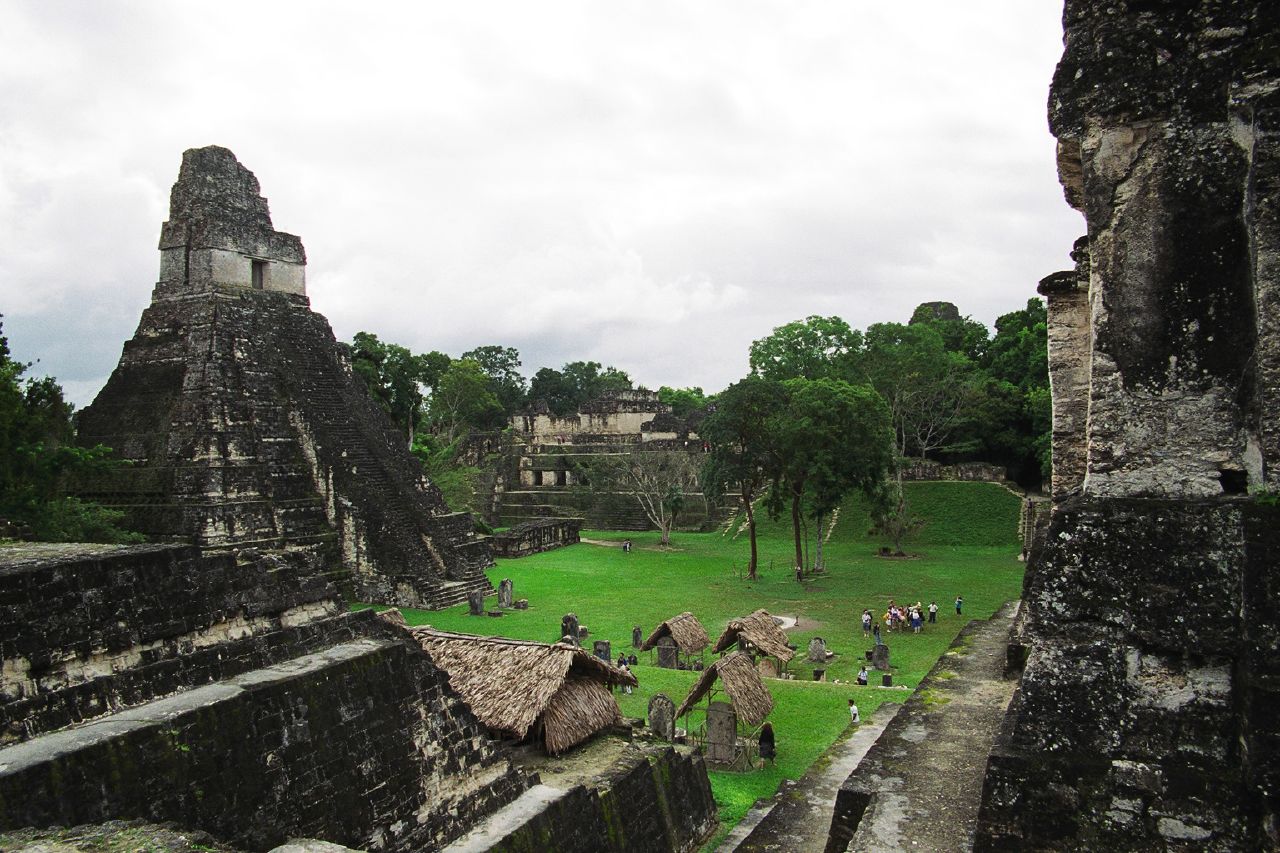
Photo: Unknown, CC BY-SA 2.0, via Wikimedia Commons
Classic Maya Cities refers to the network of sophisticated urban centers that flourished across the Yucatan Peninsula, Guatemala, and Belize during the Classic Period (approximately 250-900 CE). These cities featured towering pyramid-temples, elaborate palaces, and complex water management systems, with some pyramids reaching heights of over 200 feet. Major centers like Tikal, Caracol, and Calakmul supported populations estimated between 50,000-100,000 inhabitants at their peak. The cities were connected by extensive trade networks and shared a complex writing system, advanced astronomical knowledge, and sophisticated agricultural techniques including raised fields and terraced hillsides. While Ancient Astronaut theorists have suggested that extraterrestrial intervention may explain the sudden decline of Classic Maya civilization around 800-1000 CE, archaeologists point to extensive evidence of drought cycles, resource depletion, and inter-city conflicts documented through Maya inscriptions, settlement patterns, and paleoclimate data. Rather than a mysterious disappearance, the archaeological record shows a gradual fragmentation of political power and a shift of Maya population centers to the north, with Maya culture itself persisting in various forms for centuries afterward. The sophistication of Maya astronomy, mathematics, and architecture—often highlighted in ancient astronaut discussions—is increasingly understood through the lens of their own intellectual traditions and centuries of accumulated knowledge.
Timeline
Early Maya settlements begin establishing permanent villages across the region
Classic Period begins with rapid urban development and monumental construction
Classic Maya collapse begins with abandonment of major city centers
John Lloyd Stephens and Frederick Catherwood begin documenting ruined Maya cities
Major archaeological projects reveal extent and sophistication of Maya urban planning
What the Show Claims
- ›The unexplained disappearances of the Classic Maya civilization are mysteries that conventional scholars cannot explainS09E11
- ›Ancient Astronaut theorists propose otherworldly explanations for the cultural collapse of Maya citiesS09E11
What Archaeology Says
Archaeological investigations at Classic Maya cities have revealed remarkably sophisticated urban planning and engineering. Excavations led by researchers from institutions like the University of Pennsylvania at Tikal and Tulane University at Caracol have uncovered complex water management systems, including reservoirs, canals, and filtration systems that supported large populations during both wet and dry seasons. LiDAR surveys conducted in recent decades have revolutionized our understanding of Maya urbanism, revealing that these cities were far larger and more densely populated than previously imagined.
The scientific consensus attributes the Classic Maya collapse to a combination of environmental and social factors. Paleoclimatic studies of lake sediments and cave formations indicate severe droughts occurred between 800-1000 CE, coinciding with the abandonment of major centers. Archaeological evidence shows increasing warfare between city-states, overpopulation straining resources, and deforestation leading to soil erosion. Political fragmentation weakened trade networks and centralized authority needed to maintain complex urban systems.
Contrary to popular misconceptions, Maya civilization did not disappear entirely. Archaeological evidence shows continued occupation at some sites and the establishment of new centers in northern Yucatan and highland Guatemala. The Spanish encountered thriving Maya communities in the 16th century, and millions of Maya descendants maintain cultural traditions today. What remains genuinely mysterious to archaeologists is the precise timing and mechanisms that led different cities to be abandoned, as the collapse was not uniform across the Maya world.
Recent discoveries continue to refine our understanding of this complex process. Chemical analysis of bones from Maya burials indicates nutritional stress in the final centuries of the Classic Period, while studies of ancient pollen reveal changing land use patterns. However, the specific decisions made by Maya leaders during this crisis period, and why some cities survived while others were abandoned, remain active areas of archaeological research and debate.
Mysteries & Fun Facts
LiDAR technology has revealed that Classic Maya cities covered far more area than visible ruins suggest, with some urban areas extending over 100 square kilometers
Maya engineers created sophisticated water filtration systems using sand, gravel, and crystalline minerals to purify drinking water
Some Maya cities show evidence of being deliberately abandoned with valuable items left behind, suggesting organized rather than panicked departures
The largest Maya pyramid at El Mirador is believed to be one of the most massive structures ever built by ancient civilizations, rivaling the Great Pyramid of Egypt in volume
Planning a Visit
Many former Classic Maya cities are accessible to visitors today, with Tikal National Park in Guatemala and Caracol in Belize offering well-developed tourist infrastructure. Sites vary in accessibility from easy walks to challenging jungle hikes, and visitors should check current conditions with local tourism authorities before traveling.
Multiple cities serve as access points, including Flores, Guatemala (for Tikal) and Belize City, Belize (for Caracol), typically 1-3 hours away by road.
The dry season from November to April generally offers the most comfortable conditions for exploring Maya sites, with less rainfall and humidity making jungle treks more manageable.
Related Sites
Palenque
Another major Maya site that experienced the Classic Period collapse and features elaborate architectural achievements
Chichen Itza - Kukulkan Temple
Post-Classic Maya center that shows cultural continuity after the collapse of Classic Period cities
Tulum
Coastal Maya city that represents the later phases of Maya civilization and continued occupation