Andes Mountains (Incan sacred sites)
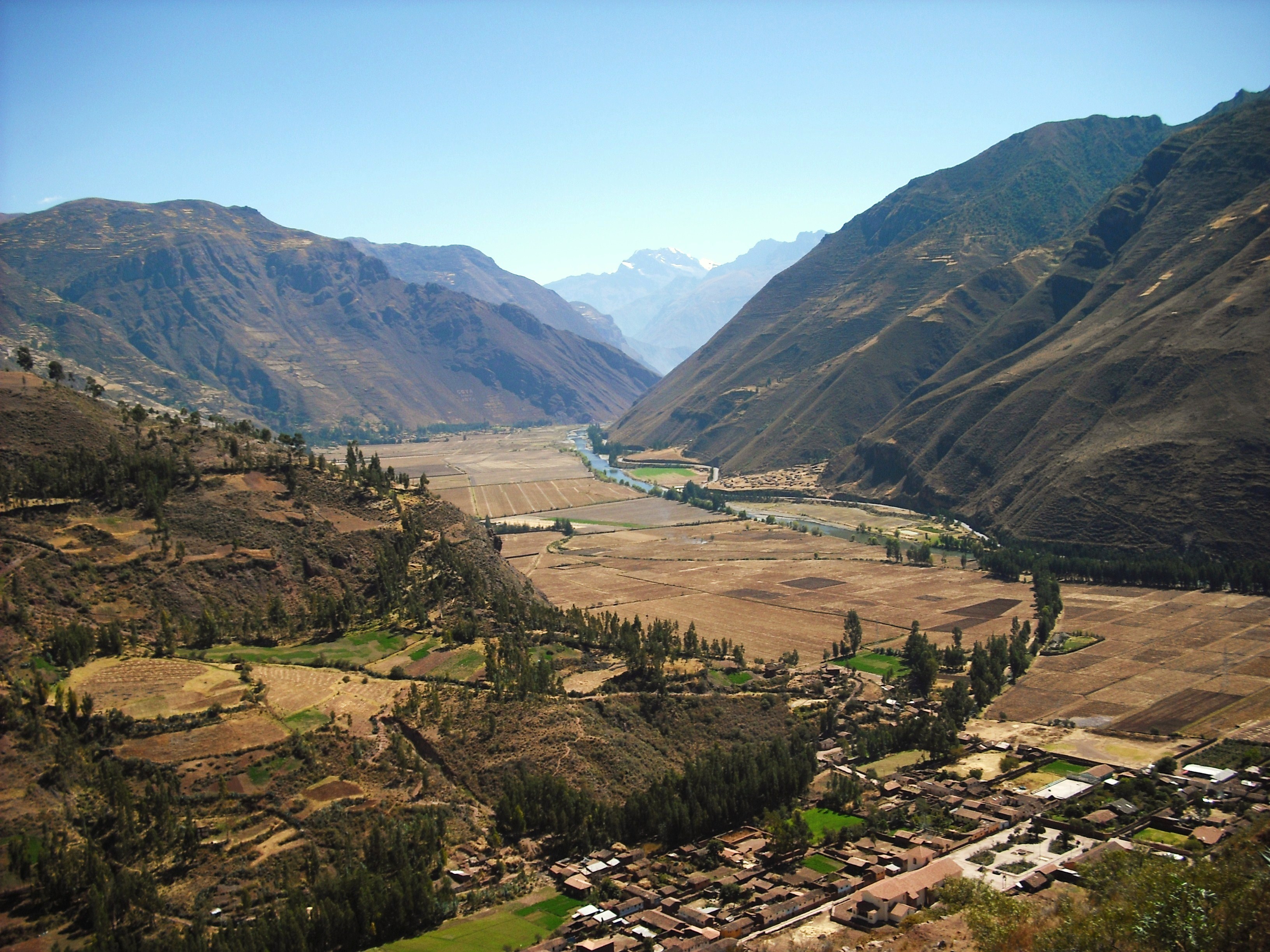
Photo: Charles Gadbois, CC BY 3.0, via Wikimedia Commons
The Andes Mountains contain numerous sacred sites of the Inca Empire, stretching across modern-day Peru at elevations often exceeding 10,000 feet above sea level. These sites include temples, ceremonial platforms, and astronomical observation points dedicated to Viracocha, the supreme creator deity of Incan cosmology. The mountainous terrain spans approximately 4,300 miles along South America's western coast, with many sacred locations positioned to align with celestial events and seasonal cycles. Visitors today can explore stone platforms, terraced structures, and carved rock formations that served as focal points for ancient Andean religious ceremonies and astronomical observations.
Timeline
Inca Empire begins establishing sacred sites throughout the Andes Mountains
Peak period of Incan sacred site construction and Viracocha worship
Spanish conquest disrupts traditional Andean religious practices at mountain sites
What the Show Claims
- ›Viracocha, depicted holding lightning bolts and associated with advanced knowledge, represents the same extraterrestrial entity as Satan or Shemyaza across different culturesS06E05
- ›The luminous being Viracocha brought medicine, astronomy, and advanced sciences to humanity, suggesting alien knowledge transferS06E05
What Archaeology Says
Archaeological investigations of Incan sacred sites throughout the Andes have revealed sophisticated understanding of astronomy, engineering, and religious symbolism. Stone platforms and ceremonial centers show precise alignments with solstices, equinoxes, and the movements of celestial bodies important to Andean agricultural cycles. Many sites feature finely cut stone blocks fitted together without mortar, demonstrating advanced masonry techniques that have withstood centuries of seismic activity.
Viracocha worship was central to Incan religious practice, with the deity depicted in art and sculpture as a bearded figure holding staff-like objects, often interpreted as lightning bolts or symbols of divine power. Archaeological evidence suggests that Viracocha's cult predates the Inca Empire, with roots in earlier Andean civilizations such as Tiwanaku. The deity was associated with creation myths, civilizing knowledge, and the bringing of order to the world.
Scholars generally interpret Viracocha as a complex deity reflecting indigenous Andean concepts of creation, fertility, and cosmic order rather than external influence. The lightning bolt imagery likely relates to the deity's association with storms, water, and agricultural fertility in the high-altitude Andean environment. However, the specific origins of some Viracocha iconography and the rapid spread of associated architectural techniques across the Andes remain subjects of ongoing archaeological research.
Many questions about Incan sacred sites persist, including the exact methods used to transport massive stone blocks to high-altitude locations and the complete meaning of astronomical alignments found at various ceremonial centers. The integration of earlier Andean religious traditions with Incan imperial ideology also presents complex interpretive challenges for researchers studying these mountain sanctuaries.
Mysteries & Fun Facts
Viracocha was believed to have emerged from Lake Titicaca and walked across the Andes creating the landscape and people
Many Incan sacred sites were positioned at elevations above 12,000 feet, requiring remarkable engineering skills for construction
The name Viracocha translates roughly to 'foam of the sea' in Quechua language
Some Andean sacred sites show evidence of use by multiple civilizations spanning over 1,000 years
Planning a Visit
Many Andean sacred sites are accessible to visitors through organized tours and established hiking trails, though high altitude and remote locations require proper preparation and physical fitness. Some locations may require special permits or guide services, and weather conditions can change rapidly in the mountain environment.
Cusco, approximately 50-100 miles from various Andean sacred sites depending on specific location
The dry season from May to September typically offers the best conditions for visiting high-altitude Andean sites, with clearer skies and reduced precipitation. However, temperatures can be quite cold, especially at night and during early morning hours.
Related Sites
Sacsayhuaman
Another major Incan site featuring advanced stonework and potential connections to Viracocha worship
Palenque
Mayan site where ancient astronaut theorists identify similar creator deity figures and advanced knowledge themes
Chichen Itza - Kukulkan Temple
Temple dedicated to Kukulkan, another Mesoamerican deity associated with bringing civilization and knowledge to humanity