Shreveport, Louisiana
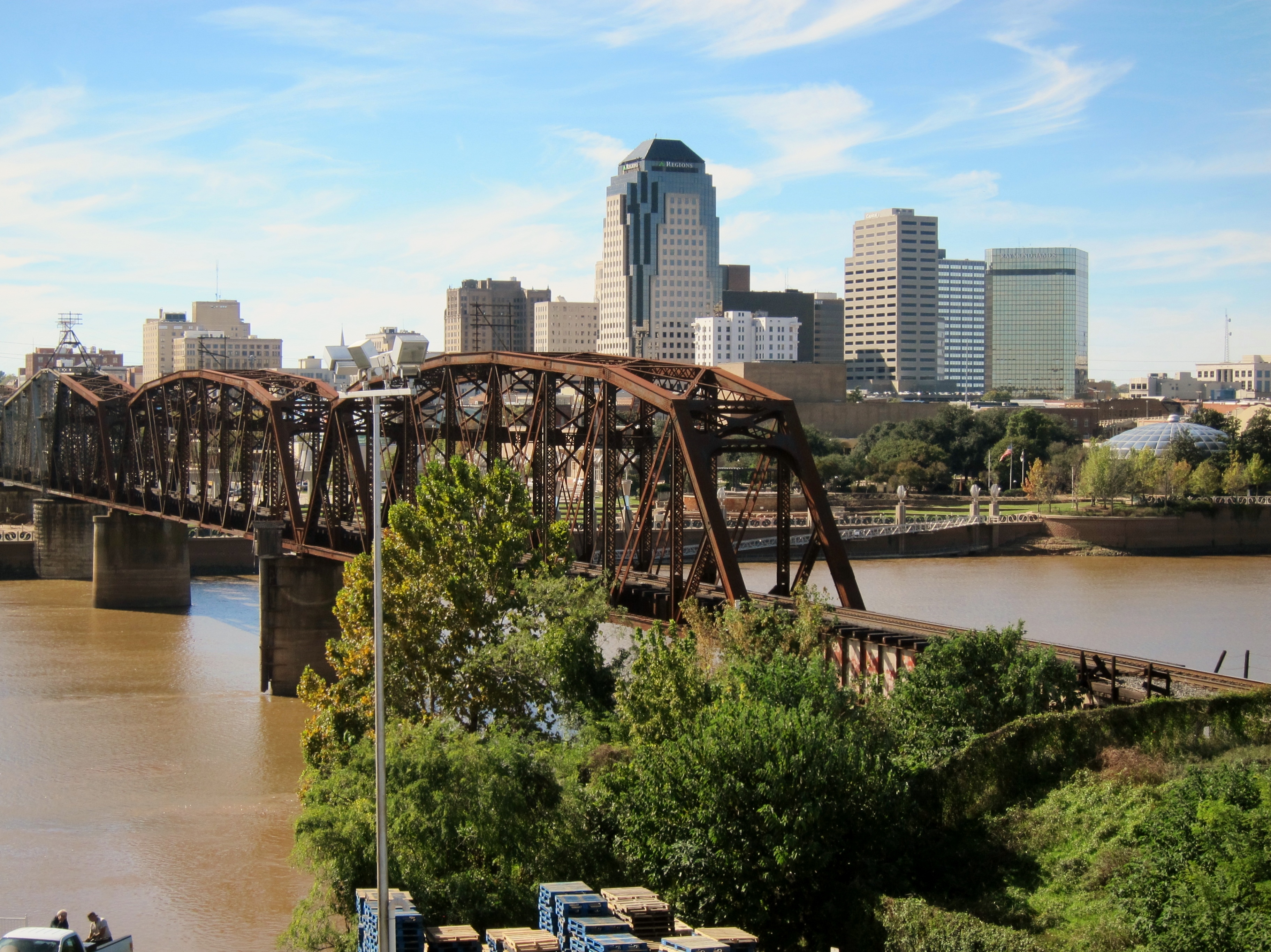
Photo: Roman Eugeniusz, CC BY-SA 3.0, via Wikimedia Commons
Shreveport, Louisiana, founded in 1836 at the strategic junction of the Red River and the Texas Trail, served as a vital transportation hub in the American South. The city sits along the west bank of the Red River in Caddo Parish, with a current metropolitan population of approximately 393,406 residents. By 1860, just before the Civil War, Shreveport had grown into a significant commercial center serving the cotton trade and westward expansion routes. Today, visitors see a modern city that has evolved from its antebellum origins, though the Red River corridor and historic downtown areas retain echoes of the pre-war period when the alleged aerial sighting occurred. Ancient astronaut theorists suggest that a documented 1860 sighting in Shreveport—described in contemporary accounts as a 300-yard-long craft with radiating light rays hovering above the treetops for approximately one hour—may represent extraterrestrial surveillance of North America during a pivotal historical moment. Historians and atmospheric scientists note that the antebellum period saw increased reports of unusual aerial phenomena across the United States, which researchers typically attribute to misidentifications of conventional objects, atmospheric optical effects, or astronomical events viewed through the lens of 19th-century perception and limited scientific understanding. The incident remains one of several pre-Civil War sky events that continues to intrigue both paranormal researchers and those studying the history of eyewitness accounts.
Timeline
Shreveport founded by the Shreve Town Company at the junction of the Red River and Texas Trail
Reported sighting of a 300-yard-long aerial craft hovering above the treetops
American Civil War begins, approximately one year after the anomalous sky event
What the Show Claims
- ›An 1860 Shreveport sighting involved a 300-yard-long craft hovering above the treetops with rays emanating from its center, visible for an hour, suggesting alien monitoring of America before the Civil WarS09E09
From the Transcripts
“An even more striking UFO encounter was reported in Shreveport, Louisiana, that same year. A group of people saw an enormous craft, 300 yards long, hovering just above the tallest trees. This thing was described as having a color like a glowing red stove.”
What Archaeology Says
The 1860 Shreveport aerial phenomenon represents one of several documented pre-Civil War anomalous sky events recorded in contemporary American accounts. Unlike archaeological sites with physical remains, this location's significance lies in historical documentation rather than excavated artifacts. The timing—occurring approximately one year before the outbreak of Civil War hostilities—has led some researchers to suggest a pattern of unusual aerial activity during periods of national tension.
Contemporary 19th-century newspaper accounts and personal journals from the antebellum South occasionally reference unexplained aerial phenomena, though these reports must be evaluated within the context of the era's limited understanding of atmospheric science and meteorology. The specific details of the Shreveport sighting—a craft described as 300 yards long with emanating rays—align with other mysterious aerial reports from the 1850s and 1860s across America.
Mainstream historians generally approach such accounts as curiosities reflecting the social anxieties and limited scientific knowledge of the pre-war period. Natural phenomena such as unusual cloud formations, atmospheric optical effects, or celestial events could potentially explain some historical sky anomalies, though the specific details of individual reports often remain difficult to verify or debunk definitively.
What remains genuinely intriguing about the Shreveport case is its placement within a broader pattern of pre-Civil War aerial reports documented across the American South and Midwest. Whether these represent misidentified natural phenomena, mass hysteria, or something more unusual continues to generate debate among researchers interested in historical anomalies and unexplained events.
Mysteries & Fun Facts
Shreveport was named after Captain Henry Miller Shreve, who cleared the Red River of a massive logjam called the Great Raft
The city became a major oil industry center after petroleum was discovered in Louisiana in the early 20th century
Standard Oil of Louisiana was headquartered in Shreveport until the 1960s
The Red River was made navigable through Shreveport only after the removal of a 160-mile-long natural logjam
Planning a Visit
Modern Shreveport offers visitors access to historic downtown areas and Red River waterfront locations that would have been visible during the 1860 time period. The city is generally accessible to tourists, with various hotels, restaurants, and cultural attractions throughout the metropolitan area.
Dallas, Texas, approximately 190 miles west of Shreveport.
Spring and fall offer the most comfortable weather for exploring Shreveport, with mild temperatures and lower humidity than the intense Louisiana summers.
Related Sites
Roswell
Another American location associated with unexplained aerial phenomena and UFO encounters
White Sands Proving Ground
A nearby military testing facility in the American Southwest connected to aerospace technology
Choctaw Nation, Oklahoma
Indigenous territory in the same regional area with its own unexplained phenomena traditions
Featured In1 episodes
Historical data sourced from Wikipedia