University of Tübingen, Tübingen
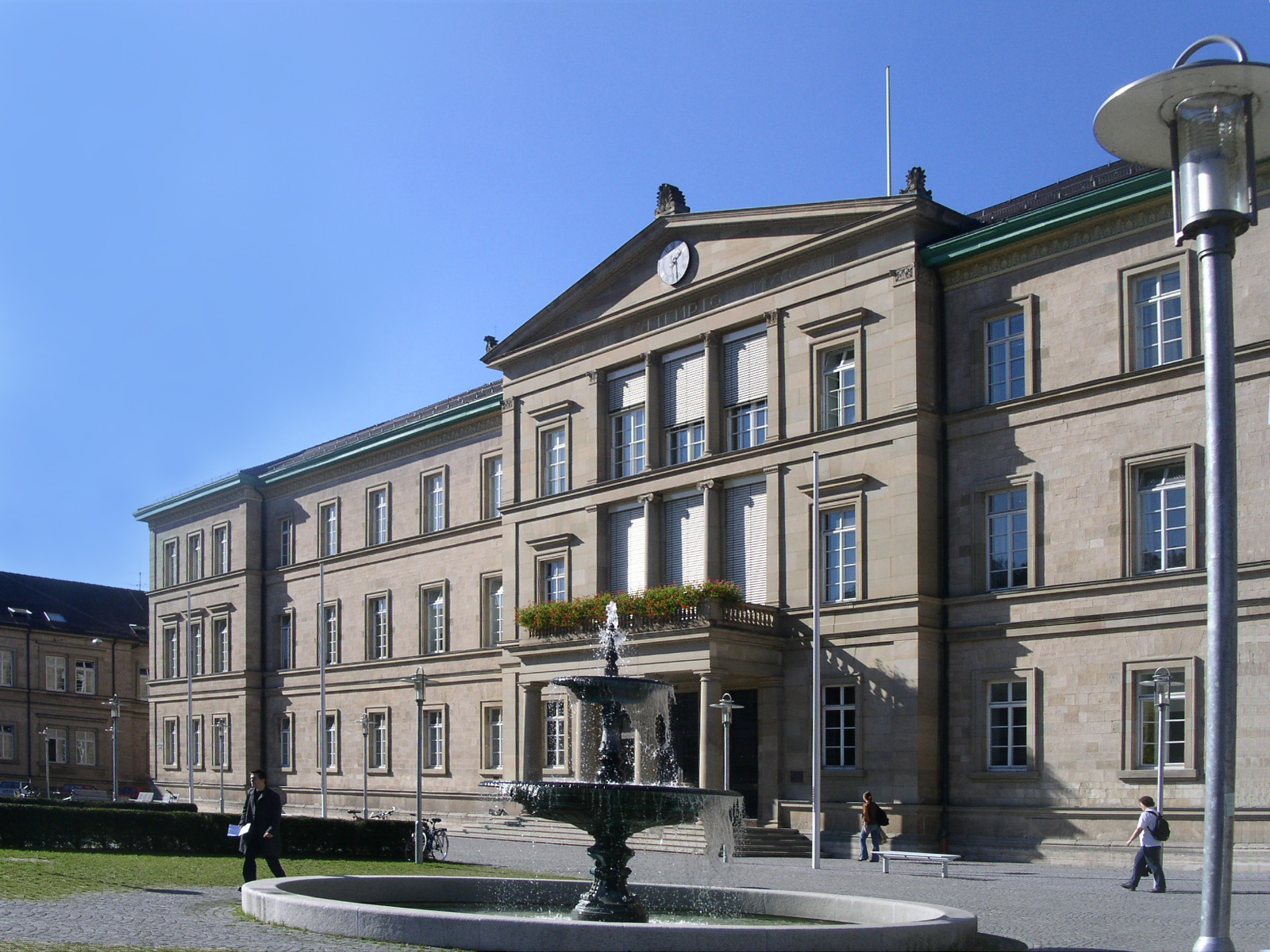
Photo: Prissantenbär, Public domain, via Wikimedia Commons
The University of Tübingen, established in 1477, is one of Germany's oldest and most prestigious universities, located in the medieval town of Tübingen in Baden-Württemberg. The university's Institute for Archaeological Sciences has gained international recognition for breakthrough research in ancient DNA extraction and analysis. The campus spans multiple historic buildings throughout the city, with the main university building dating to the 15th century. Modern laboratories within these ancient walls have become the setting for cutting-edge genetic research that bridges thousands of years of human history. In 2013, the university's Institute for Archaeological Sciences made headlines by successfully sequencing DNA from ancient Egyptian mummy heads, a breakthrough that ancient astronaut theorists have suggested may indicate the mummification process was designed with extraterrestrial guidance to preserve genetic material for future resurrection. Mainstream Egyptologists and geneticists attribute the remarkable DNA preservation instead to the natural dehydration achieved through traditional mummification techniques, which created conditions ideal for long-term biomolecular preservation. While scientists acknowledge that sufficiently intact ancient DNA could theoretically enable cloning technology, the evidence points to sophisticated ancient Egyptian knowledge of preservation chemistry rather than otherworldly intervention.
Timeline
University of Tübingen founded by Count Eberhard V
Development of modern molecular biology and genetics programs
Successful sequencing of ancient Egyptian mummy DNA announced
Continued leadership in ancient DNA research and archaeological genetics
What the Show Claims
- ›The 2013 DNA sequencing from Egyptian mummy heads suggests mummification was designed with extraterrestrial guidance to preserve genetic material for future resurrectionS09E06
Theorist Takes
“If we have the physical remains of a corpse, it might be possible to resurrect this corpse literally, to regenerate the DNA. Now, the process would be extremely difficult, but the technology is on its way, and that will be amazing.”
From the Transcripts
“Tubingen, Germany. 2013. Scientists at the University of Tubingen report a landmark event. They have sequenced and decoded DNA that was extracted from five Egyptian mummy heads.”
What Archaeology Says
The University of Tübingen's groundbreaking 2013 research represented a significant advancement in the field of ancient DNA studies. Researchers successfully extracted and sequenced both mitochondrial and nuclear DNA from five ancient Egyptian mummy heads, achieving unprecedented genetic preservation from specimens thousands of years old. The project was led by teams specializing in molecular archaeology, utilizing advanced laboratory techniques to overcome the typical degradation that affects ancient genetic material.
The success of this research hinged on the unique preservation conditions created by Egyptian mummification practices. The rapid dehydration process, combined with the arid Egyptian climate and specific chemical treatments used in mummification, created an environment that significantly slowed DNA degradation compared to other burial methods. This allowed genetic material to survive in a state complete enough for modern sequencing techniques to reconstruct.
Scientific consensus attributes the exceptional DNA preservation to the sophisticated understanding ancient Egyptians had of chemical preservation, rather than any extraterrestrial intervention. The mummification process, involving natron salts, resins, and careful removal of moisture, created conditions that modern scientists recognize as optimal for long-term preservation of organic material. However, researchers acknowledge that the completeness of some recovered genetic sequences approaches levels that could theoretically enable advanced genetic reconstruction techniques.
What remains genuinely intriguing to researchers is the apparent intentionality behind certain aspects of the mummification process that seem specifically designed to preserve soft tissues and genetic material. While the religious and cultural motivations for mummification are well-documented, the precise scientific understanding that ancient embalmers possessed about preservation at the molecular level continues to be studied and debated within the archaeological community.
Mysteries & Fun Facts
The University of Tübingen has produced numerous Nobel Prize winners and is considered one of Germany's most prestigious research institutions
The 2013 mummy DNA research required specialized clean room facilities to prevent contamination from modern genetic material
Ancient DNA research at the university has contributed to understanding human migration patterns and the spread of diseases throughout history
The success rate for extracting usable DNA from ancient Egyptian remains is typically very low, making the Tübingen research particularly remarkable
Planning a Visit
The University of Tübingen generally welcomes visitors to its historic campus, though access to active research laboratories requires special arrangements. The university offers guided tours that showcase both its medieval architecture and modern research facilities. Visitors interested in the DNA research specifically should check with the Institute for Archaeological Sciences for any public lectures or exhibitions.
Stuttgart is approximately 40 kilometers northeast of Tübingen.
Spring through early fall offers the most pleasant weather for exploring Tübingen's historic campus and surrounding medieval town. The university is most active during the academic year, from October through July.
Related Sites
Akhenaten's City - Amarna
Site of ancient Egyptian civilization where many of the mummy specimens studied originated
Cambridge University
Another major university conducting research into ancient mysteries and unexplained phenomena
Red Pyramid of Dahshur
One of the most significant Egyptian pyramid sites where advanced mummification techniques were developed and perfected