Salon-de-Provence, Southern France (Nostradamus)
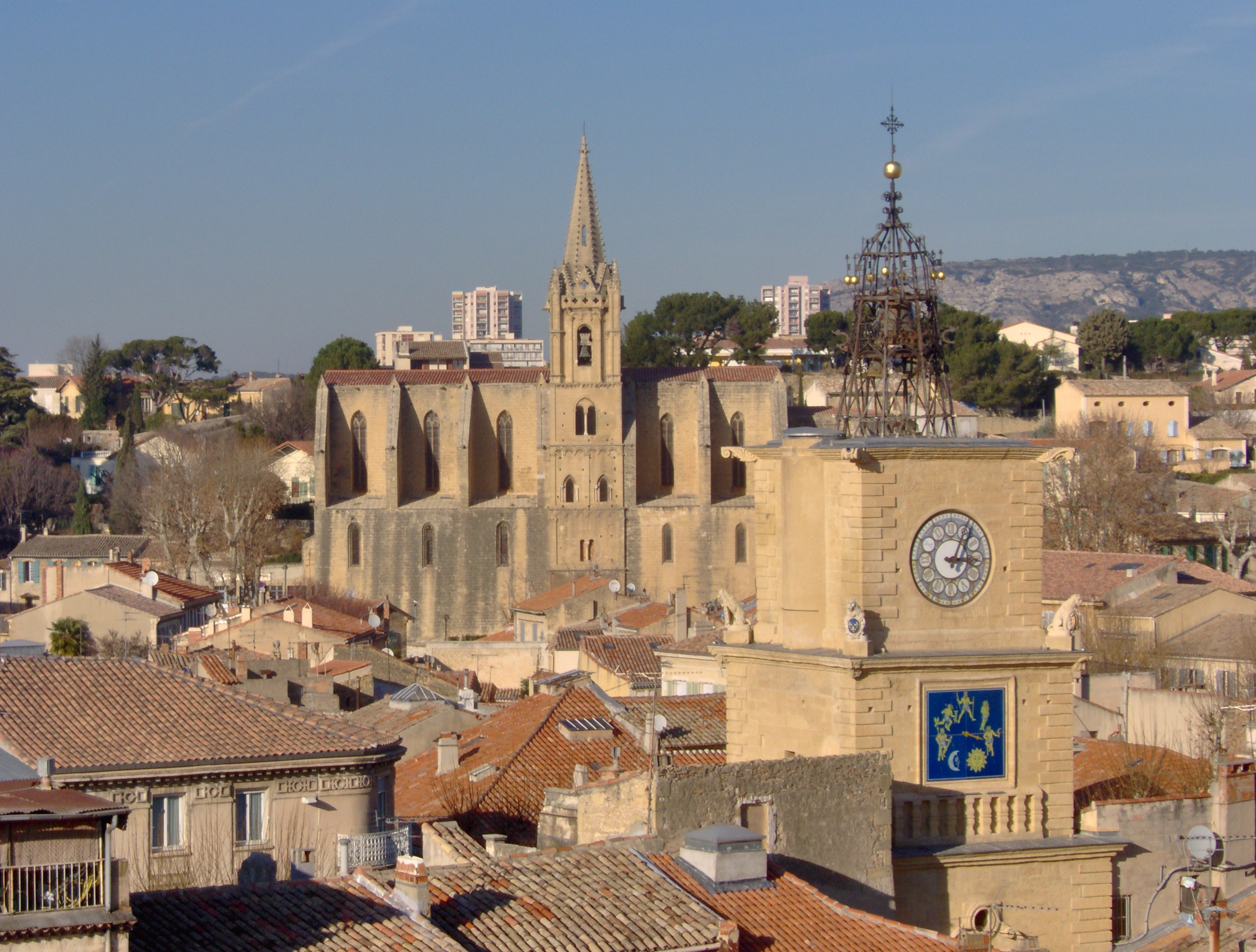
Photo: Jjpetite, CC BY-SA 4.0, via Wikimedia Commons
Salon-de-Provence is a historic Provençal town in southern France where the renowned seer Michel de Nostradame, known as Nostradamus, spent his final years and wrote his famous prophecies. Today, visitors can explore the preserved 16th-century house where he lived and worked, now the Nostradamus Museum, along with his tomb in the Collegiate Church of Saint-Laurent. The town sits approximately 50 kilometers northwest of Marseille in the Bouches-du-Rhône department, retaining much of its medieval character with narrow cobblestone streets and traditional stone buildings. The museum displays original manuscripts, astronomical instruments, and period furnishings that provide insight into the intellectual world of Renaissance France.
Timeline
Nostradamus settles in Salon-de-Provence and establishes his practice as physician and astrologer
Publication of Les Prophéties containing 942 prophetic quatrains
Death of Nostradamus in Salon-de-Provence; buried in Collegiate Church of Saint-Laurent
Opening of the Nostradamus Museum in his former residence
What the Show Claims
- ›Theorists argue that Nostradamus accessed the 'zero-point field' or an extraterrestrial information source to produce his accurate quatrain propheciesS05E07
- ›Ancient astronaut theorists suggest his predictions came from contact with otherworldly knowledge beyond normal human cognitionS05E07
Theorist Takes
“Nostradamus was able to access information which was not available to any of his contemporaries. As such, he was identified as a visionary, a seer, a prophet, whatever name you want to give him.”
From the Transcripts
“Southern France. 1555. Here a chemist and apothecary named Michel de Nostradame publishes an almanac titled The Prophecies. In it he writes more than a thousand four-line poetic verses called 'quatrains,' verses that seem to predict the future.”
What Archaeology Says
The house where Nostradamus lived and worked has been carefully preserved and converted into a museum, offering insights into 16th-century intellectual life in Provence. Archaeological investigations of the building have revealed original architectural features, including the study where he reportedly composed his quatrains and conducted astrological consultations for noble clients throughout Europe.
Scholars have extensively studied the manuscripts and printing history of Les Prophéties, tracing how the quatrains were compiled and published in multiple editions during Nostradamus's lifetime. The original 1555 edition, printed by Macé Bonhomme in Lyon, represents one of the earliest examples of mass-produced prophetic literature, reflecting the growing literacy and printing capabilities of Renaissance France.
Mainstream historians and literary scholars generally interpret Nostradamus as a product of his time—a learned physician and astrologer working within established traditions of medical practice and celestial divination. His quatrains employ deliberately ambiguous language typical of Renaissance prophetic writing, allowing for multiple interpretations that have been retroactively applied to historical events.
While the accuracy of specific predictions remains hotly debated, what scholars do agree upon is Nostradamus's significant cultural impact and the enduring fascination with his work. The mechanisms by which he claimed to receive his visions—whether through divine inspiration, astrological calculation, or other means—remain subjects of speculation rather than historical certainty.
Mysteries & Fun Facts
Nostradamus's real name was Michel de Nostredame, which he later latinized to Nostradamus
He worked as a physician during several plague outbreaks before turning to prophecy and astrology
His tomb in Salon-de-Provence was reportedly opened during the French Revolution, and his remains were later reinterred
Les Prophéties has never been out of print since its first publication in 1555, making it one of history's most enduring bestsellers
Planning a Visit
The Nostradamus Museum is generally open to visitors year-round, housed in the actual building where the famous seer lived and worked. The museum features period furnishings, manuscripts, and exhibits about his life and prophecies. Check local tourism sites for current hours and admission information.
Marseille, approximately 50 kilometers southeast
Spring and early fall offer pleasant weather for exploring the historic town center. Summer can be quite warm but provides longer daylight hours for sightseeing.
Related Sites
Carnac Stones
Ancient stone arrangements in France that some theorists claim influenced later European mystical traditions
Externsteine
Medieval Germanic sacred site associated with astronomical observations and prophetic traditions
Royal Society, London
Historic center of scientific inquiry where scholars have studied the intersection of early modern science and prophecy