Ġgantija Temples
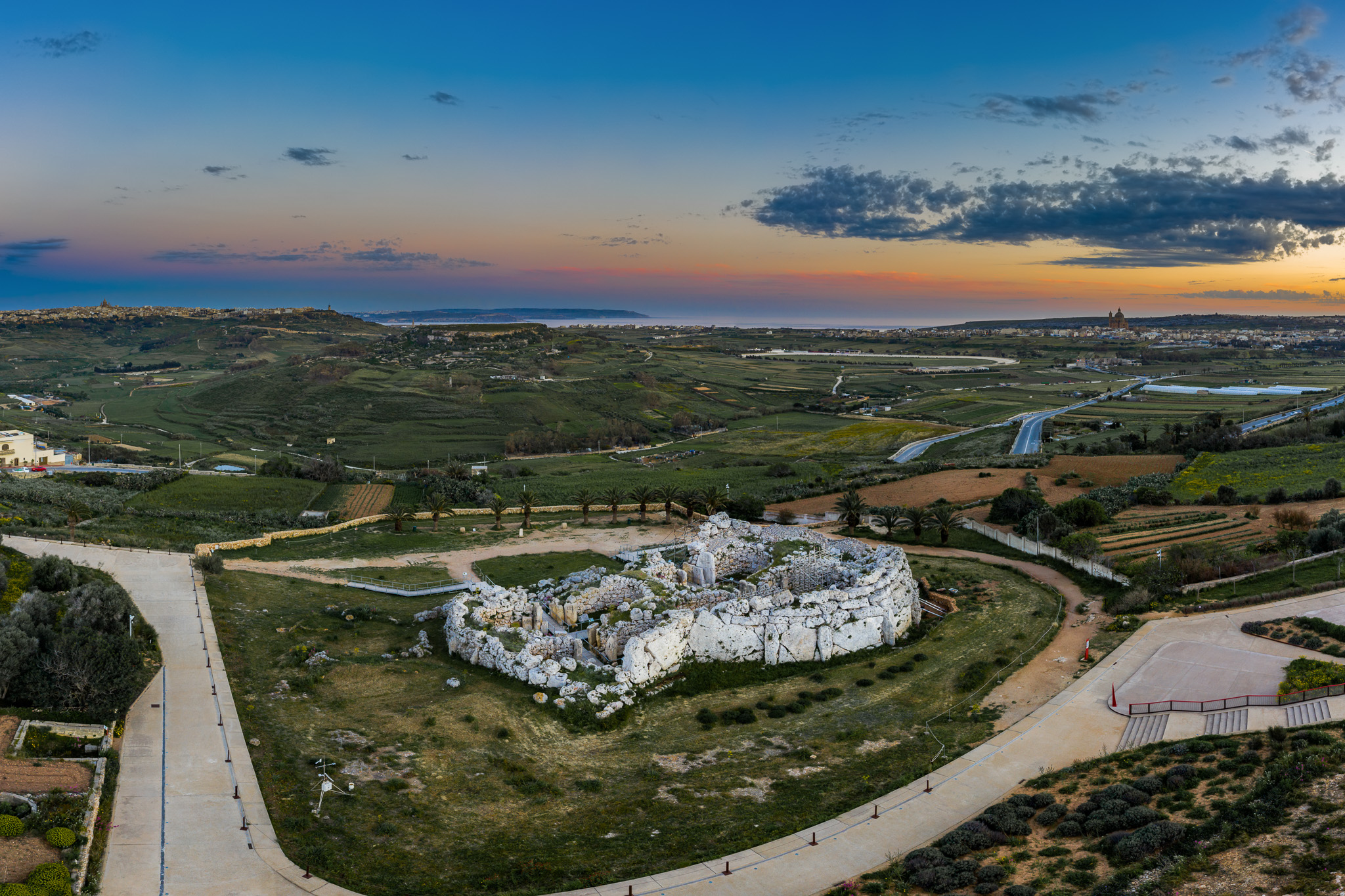
Photo: FritzPhotography, CC BY-SA 4.0, via Wikimedia Commons
The Ġgantija temple complex on the Mediterranean island of Gozo consists of two massive stone temples built from local coralline limestone blocks, some weighing over 50 tons. The structures stand with walls reaching up to 6 meters high, constructed using sophisticated dry-stone techniques without mortar. These megalithic monuments cover an area of approximately 7,000 square meters and represent the earliest phase of Malta's temple-building civilization. As the world's second-oldest existing manmade religious structures after Göbekli Tepe, they predate Stonehenge by over 1,000 years and the Egyptian pyramids by several centuries.
Timeline
Construction of the two Ġgantija temples by Neolithic communities
First archaeological clearance and investigation of the site
Designated as UNESCO World Heritage Site as part of the Megalithic Temples of Malta
What the Show Claims
- ›Among the world's oldest freestanding stone structures, predating Stonehenge by over 1,000 yearsS16E04S19E09
- ›Name means 'giant's tower' — ancient traditions say the temples were built by a giantess, possibly a hybrid alien-humanS19E09
- ›Walls stand up to 6 meters high — impossible construction for primitive peoples without alien assistanceS16E04S19E09
- ›Part of a network of Malta temples forming an alien energy gridS16E04
What Archaeology Says
Archaeological excavations at Ġgantija have revealed extensive evidence of sophisticated Neolithic engineering and religious practices. The temples contain ritual deposits, carved stone figurines, animal bones, and pottery fragments that indicate continuous ceremonial use over centuries. Stone balls found on-site demonstrate how the builders likely moved massive limestone blocks weighing over 50 tons using ingenious roller systems.
Extensive research has shown that the Neolithic communities possessed remarkable architectural knowledge, creating complex curved walls and internal chambers using precise dry-stone construction techniques. The temples feature distinctive kidney-shaped chambers and elaborate decorative elements, including spiral carvings and altar stones. Carbon dating and stratigraphic analysis confirm construction began around 3600 BC during Malta's Ġgantija phase.
The scientific consensus attributes the temples' construction to skilled Neolithic builders who developed sophisticated quarrying, transport, and construction methods over generations. Analysis of tool marks, construction sequences, and architectural features reveals gradual technological development rather than sudden advancement. However, questions remain about the specific religious practices conducted within these sacred spaces and the precise methods used to achieve such architectural precision with Stone Age tools.
While the engineering achievements are remarkable for their time period, archaeologists have identified clear evidence of the gradual development of construction techniques across Malta's temple-building phases. The most intriguing unsolved mysteries concern the symbolic meaning of the temples' unique architectural forms and the reasons why this advanced temple-building tradition eventually disappeared from Malta around 2500 BC.
Mysteries & Fun Facts
The name Ġgantija means 'giant's tower' in Maltese, reflecting local folklore that attributed the massive stones to supernatural builders
Some limestone blocks used in construction weigh over 50 tons, yet were precisely fitted without mortar using only Stone Age tools
The temples are older than the pyramids of Egypt and Stonehenge, making them among humanity's earliest monumental architecture
Stone balls found at the site demonstrate the ingenious roller system used by Neolithic builders to transport massive blocks
Planning a Visit
The Ġgantija temples are generally accessible to visitors through a modern visitor center that provides context and interpretation. The site features walkways that allow close examination of the megalithic structures while protecting the ancient stonework. Guided tours are available and recommended for understanding the site's archaeological significance.
Victoria, Gozo (approximately 2 kilometers)
Spring and autumn offer the most pleasant weather conditions for exploring the outdoor temple complex. Summer can be quite hot with intense Mediterranean sun, while winter brings occasional rain that may affect site accessibility.
Featured Locations3 sites within this area
Megalithic Temples of Gozo (Ggantija), Malta
MaltaGgantija Temples
MaltaGgantija Temple
MaltaRelated Sites
Featured In2 episodes
Historical data sourced from Wikipedia