Kerala, India
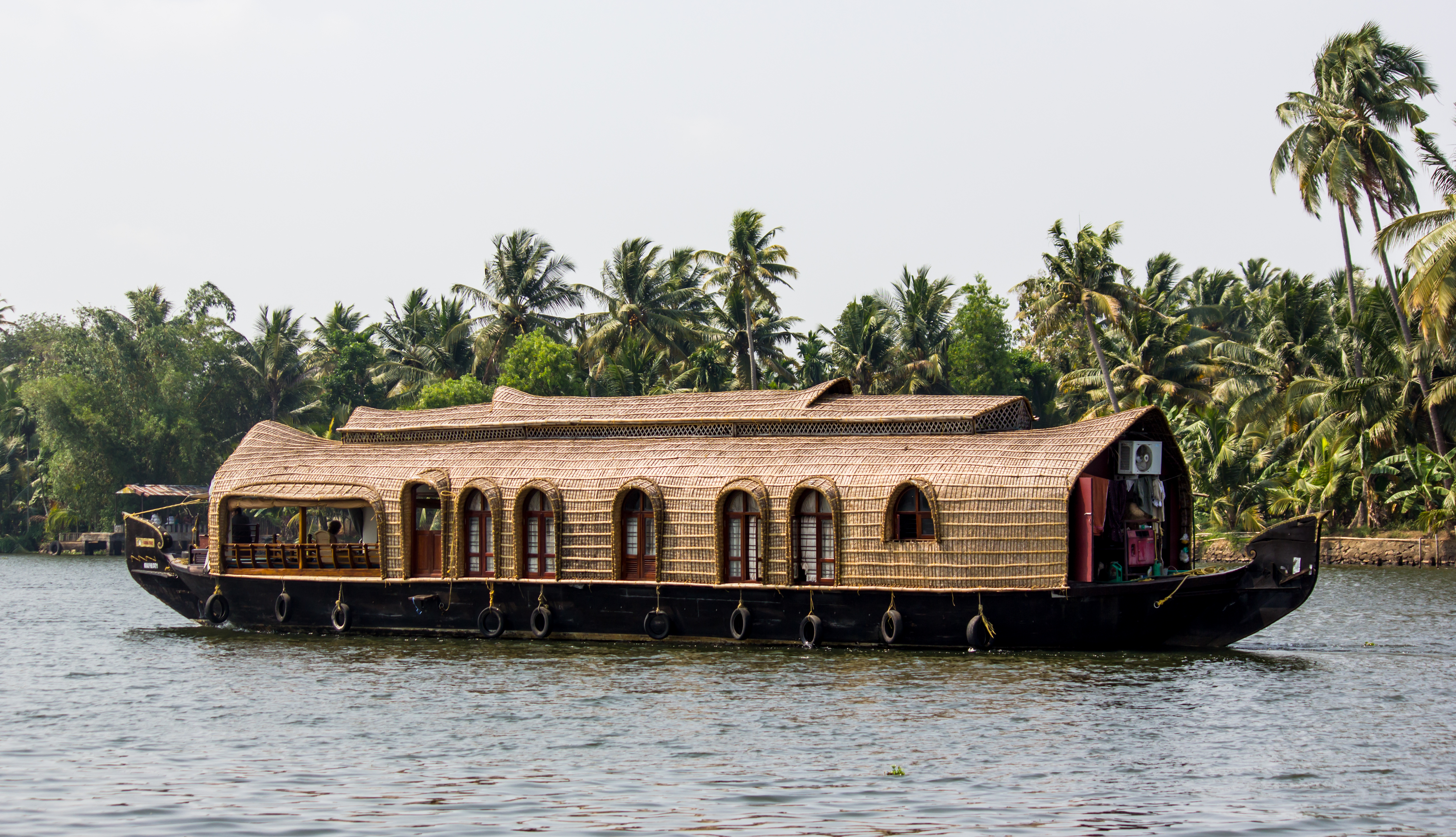
Photo: Saad Faruque from Bangalore, India, CC BY-SA 2.0, via Wikimedia Commons
Kerala is a coastal state in southwestern India covering 38,863 square kilometers along the Malabar Coast, bordered by the Laccadive Sea to the west. Home to 33 million inhabitants according to the 2011 census, this Malayalam-speaking region is known for its tropical climate, extensive coastline, and dense vegetation. The state gained international attention in 2001 when unusual red-colored rain fell intermittently across various districts between July and September, depositing microscopic red particles that sparked scientific debate. Kerala's diverse landscape includes backwaters, mountains, and beaches, making it one of India's most ecologically varied states. The 2001 red rain phenomenon captured global attention when biologist Dr. Godfrey Louis proposed that microscopic cells found in the red particles might represent extraterrestrial biological material, a theory that some ancient astronaut theorists have connected to historical accounts of celestial "blood rains." However, subsequent scientific studies by other researchers have suggested the red coloration more likely resulted from terrestrial sources, such as spores from local algae or lichen species, though debate about the exact composition of the particles continues within the scientific community.
Timeline
Kerala state formed on November 1st under the States Reorganisation Act, unifying Malayalam-speaking regions
Red rain phenomenon occurs sporadically between July and September across multiple districts
Dr. Godfrey Louis collects and analyzes red rain samples, proposing extraterrestrial origin theory
What the Show Claims
- ›The 2001 red rain phenomenon contained cells resembling living organisms that may be evidence of extraterrestrial biological material entering Earth's atmosphereS03E07
- ›The red rain cells collected by Dr. Godfrey Louis exhibit properties unlike known terrestrial organismsS03E07
- ›Ancient myths of blood rains preceding plagues may be connected to similar extraterrestrial contamination events throughout historyS03E07
Theorist Takes
“He collected the rain as clean as possible, and it was discovered that they contained cells that looked like living cells.”
From the Transcripts
“Kerala, India, 2001. A cosmic bang-- a massive explosion in the atmosphere, and then-- a downpour of red rain.”
What Archaeology Says
The Kerala red rain phenomenon of 2001 represents a unique intersection of meteorology, biology, and fringe science rather than traditional archaeology. Between July and September 2001, red-colored rain fell sporadically across Kerala's districts, leaving behind microscopic red particles that were collected and studied by various researchers.
Dr. Godfrey Louis, a physicist at Mahatma Gandhi University, became the primary researcher investigating these samples. His analysis suggested the red particles were biological cells approximately 4-10 micrometers in diameter, with thick cell walls but no apparent nucleus. Louis proposed that these cells were of extraterrestrial origin, possibly from a comet that had fragmented in the upper atmosphere, seeding Earth with alien microorganisms.
Mainstream scientific analysis has offered more conventional explanations for the phenomenon. Subsequent studies by other researchers, including teams from institutions in India and abroad, suggested the red coloration was more likely caused by terrestrial spores from local algae or lichen species. The spores could have been lifted into the atmosphere by strong winds or other meteorological events before falling with the rain.
The red rain cells remain a subject of ongoing scientific debate, with some researchers continuing to investigate their unusual properties while others maintain that conventional explanations are sufficient. The phenomenon highlights the challenges in definitively identifying unusual biological materials and the importance of peer review in scientific research.
Mysteries & Fun Facts
Kerala is known as 'God's Own Country' due to its natural beauty and biodiversity
The state has a 100% literacy rate, the highest in India
Kerala's backwaters consist of over 900 kilometers of interconnected waterways
The red rain phenomenon of 2001 was reported in an area covering approximately 450 square kilometers
Planning a Visit
Kerala is easily accessible to visitors through multiple international airports in Kochi, Thiruvananthapuram, and Kozhikode. The state offers excellent tourism infrastructure with numerous hotels, resorts, and transportation options connecting major cities and attractions.
Kochi (Cochin) is one of Kerala's major cities and primary entry points
The best time to visit Kerala is during the dry season from October to March when temperatures are moderate and rainfall is minimal.
Related Sites
Tunguska explosion site
Both sites involve unexplained atmospheric phenomena that some researchers attribute to extraterrestrial causes
Gulf of Khambhat underwater ruins
Another location in India where unusual discoveries have prompted debates about ancient or extraterrestrial influences
Roswell
The most famous location associated with alleged extraterrestrial biological material reaching Earth
Featured In1 episodes
Historical data sourced from Wikipedia