Caracol
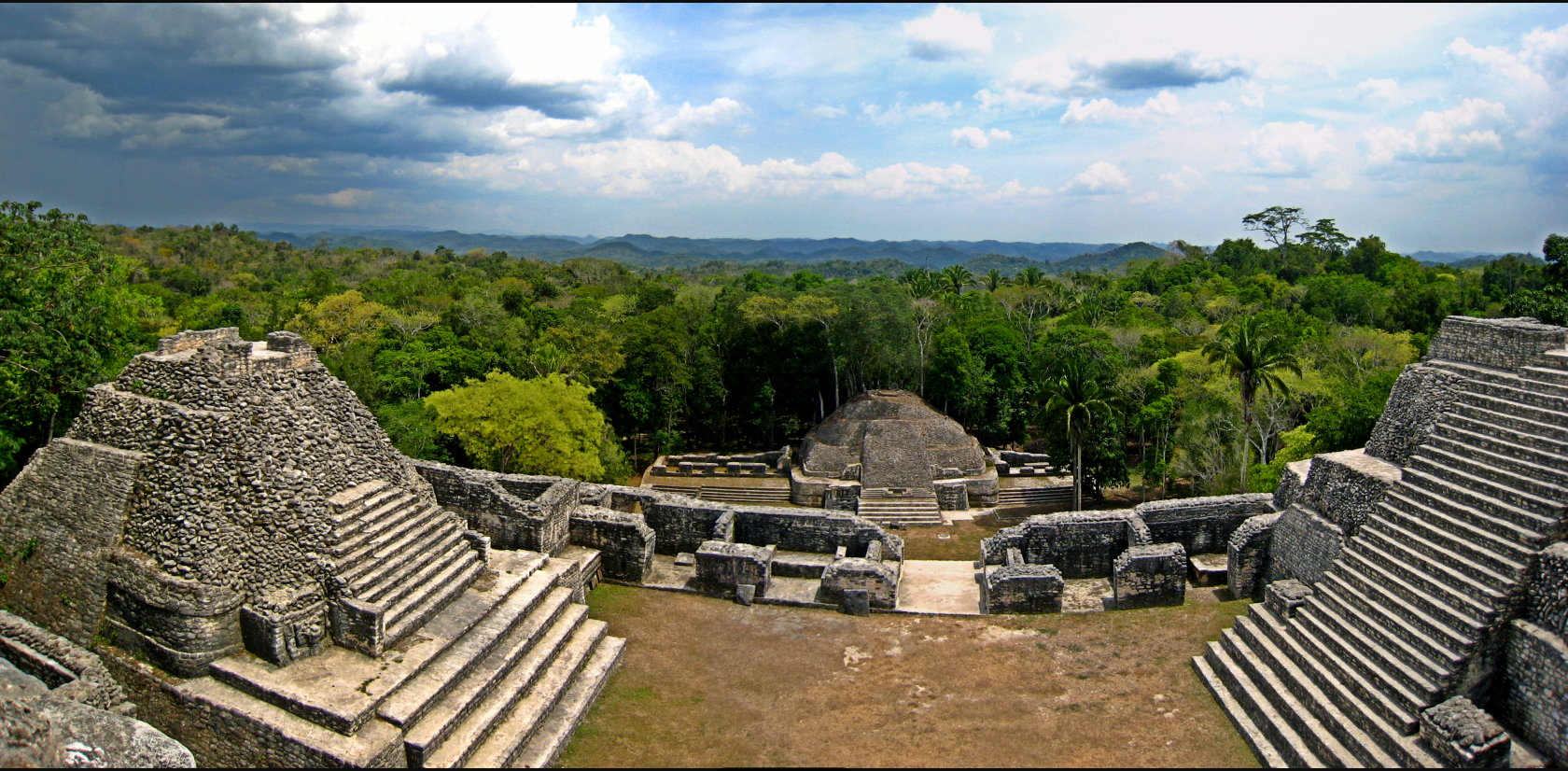
Photo: Pgbk87, CC BY-SA 3.0, via Wikimedia Commons
Caracol stands as one of the largest ancient Maya archaeological sites in Belize, sprawling across approximately 200 square kilometers on the Vaca Plateau at 1,600 feet above sea level. This massive urban center, larger than modern Belize City, once supported a population of over 100,000 people during its peak in the Classic Period. Today, visitors can explore towering pyramids, elaborate palaces, and the remains of sophisticated water management systems carved from the limestone bedrock. The site's remote location in the foothills of the Maya Mountains has helped preserve many structures, though much remains hidden beneath dense tropical forest.
Timeline
Initial occupation of the Caracol site begins during the Maya Preclassic period
Caracol reaches its peak as a major regional power center during the Classic Period
Site abandoned during the Maya civilization collapse
Caracol first documented by modern explorers
Major archaeological investigations begin under Diane and Arlen Chase
What the Show Claims
- ›Maya sites like Caracol contain evidence of advanced technology that contradicts traditional archaeological understandingS20E11
- ›New discoveries at Maya centers suggest possible extraterrestrial influence on ancient Maya achievementsS20E11
- ›Hidden chambers and tombs at sites like Caracol may contain evidence that rewrites Maya historyS20E11
What Archaeology Says
Extensive excavations at Caracol, led primarily by Diane and Arlen Chase since 1985, have revealed the site's true significance as one of the Maya world's great superpowers. The archaeological evidence shows Caracol controlled vast territories and engaged in major military campaigns, including a famous victory over Tikal in 562 CE. Sophisticated lidar surveys have mapped thousands of previously unknown structures across the site's enormous footprint.
The site's engineering achievements are genuinely remarkable, featuring complex water management systems including reservoirs, canals, and terraced agricultural fields that sustained the massive population. Astronomically aligned buildings demonstrate the Maya's advanced understanding of celestial mechanics, while elaborate tombs have yielded insights into royal burial practices and political hierarchy. The famous Caana pyramid, standing 143 feet tall, remains Belize's tallest human-made structure.
What continues to puzzle researchers is how such a massive urban center thrived in what appears to be challenging terrain. The sophisticated agricultural terracing and water collection systems suggest engineering knowledge that maximized the landscape's potential. Recent discoveries of extensive road networks and previously unknown residential areas indicate the site's complexity exceeded earlier estimates.
Many questions remain unanswered about Caracol's rapid rise to power and its eventual abandonment. While climate change and warfare likely played roles in the site's decline, the specific mechanisms that allowed it to grow so large in a relatively resource-poor environment continue to generate scholarly debate.
Mysteries & Fun Facts
Caracol's Caana pyramid at 143 feet tall remains the tallest human-made structure in Belize
The site covered 200 square kilometers, making it larger than present-day Belize City
At its peak, Caracol supported over 100,000 inhabitants, more than twice the population of modern Belize City
Recent lidar surveys revealed over 65,000 previously unknown structures hidden in the jungle
Planning a Visit
Caracol is accessible by four-wheel drive vehicle via a rough dirt road from San Ignacio, requiring approximately 2-3 hours each way through the Mountain Pine Ridge Forest Reserve. The site maintains basic visitor facilities and interpretive trails, though exploring the full extent requires significant hiking through jungle terrain.
San Ignacio, approximately 40 kilometers to the north
The dry season from November to April offers the most comfortable conditions with less mud and fewer insects. Early morning visits provide cooler temperatures and better wildlife viewing opportunities.
Related Sites
Palenque
Another major Maya ceremonial center that Ancient Aliens suggests demonstrates advanced ancient technology
Chichen Itza - Kukulkan Temple
Famous Maya site featuring astronomical alignments that the show presents as evidence of extraterrestrial knowledge
Tulum
Coastal Maya site that Ancient Aliens connects to broader theories about Maya civilization's mysterious origins
Featured In1 episodes
Historical data sourced from Wikipedia