Peenemünde
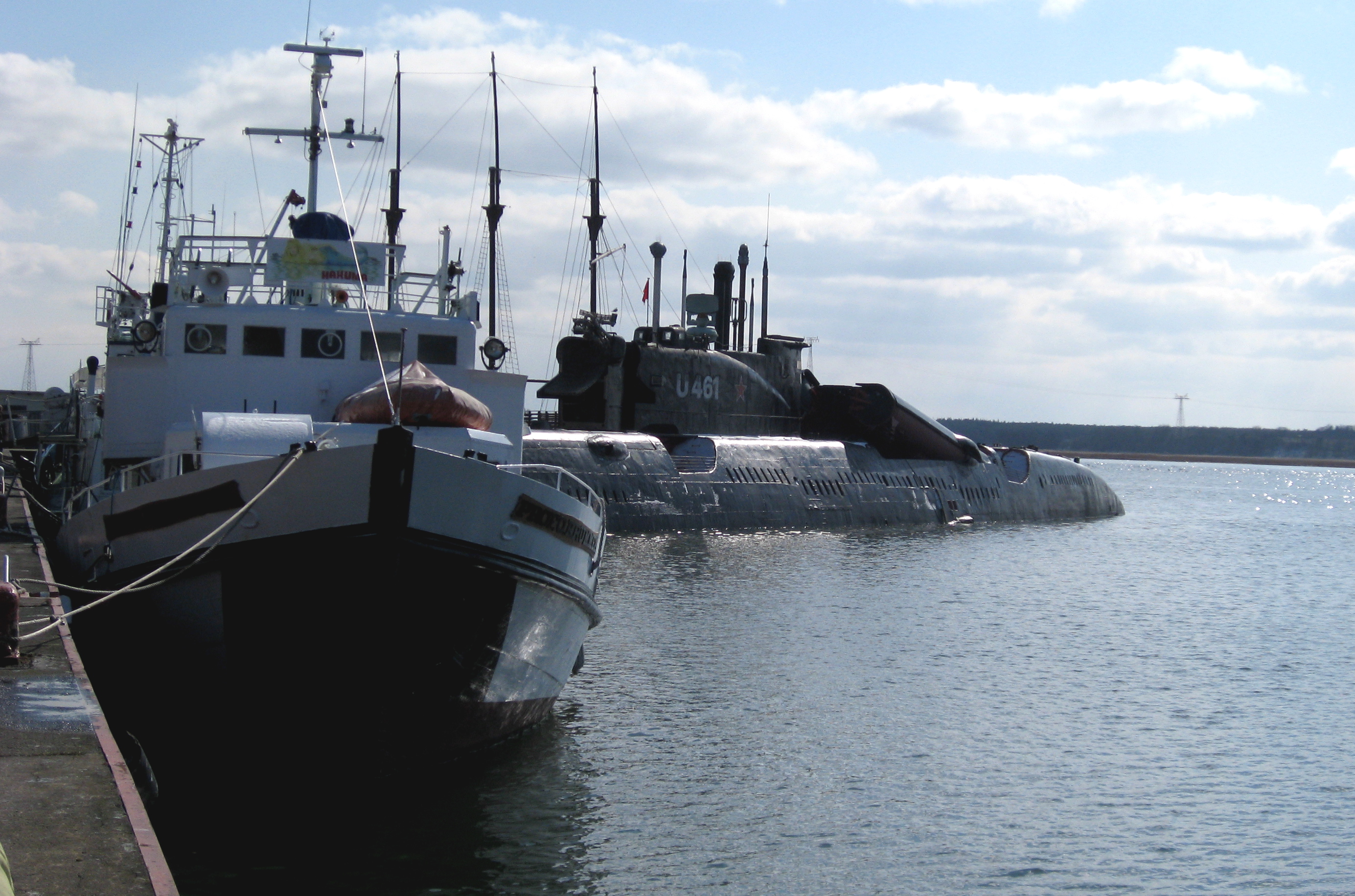
Photo: Gerolsteiner91, CC BY-SA 3.0, via Wikimedia Commons
Peenemünde is a coastal municipality on Germany's Baltic Sea island of Usedom, forever linked to one of the most ambitious and controversial technological achievements of the 20th century. Today, visitors can explore the remnants of the Peenemünde Army Research Center, where Wernher von Braun and his team developed the world's first functional large-scale liquid-propellant rocket, the V-2. The site encompasses both the original launch facilities and a comprehensive museum housed in the former power station. Located at the mouth of the Peene River, this quiet seaside community became the birthplace of the space age, though under the shadow of wartime destruction. Some theorists have speculated that post-war Allied investigations of Peenemünde, including alleged visits by U.S. officials like James Forrestal, uncovered evidence of extraterrestrial technology transfer to Nazi scientists. However, historical documentation and scientific analysis indicate that the V-2's revolutionary design emerged from decades of German rocket research, Soviet precedents, and von Braun's engineering innovations—with the postwar period primarily focused on capturing the program's scientists, blueprints, and hardware for the competing Soviet and American space efforts.
Timeline
Peenemünde Army Research Center established as Nazi Germany's primary rocket development facility
First successful V-2 rocket launch achieved under Wernher von Braun's leadership
Soviet forces capture Peenemünde; scientists and technology distributed among Allied powers
Peenemünde Historical Technical Museum opens in former power station
What the Show Claims
- ›James Forrestal visited Peenemünde and other Nazi secret technology facilities after World War II, where he allegedly discovered that the Germans had acquired or developed extraterrestrial technologyS12E09
Theorist Takes
“He visited all of these secret German technology facilities after the war. He went to Peenemunde, he went to Mittelwerk, he went to the different places where they had developed the V-2.”
From the Transcripts
“He went to Peenemunde, he went to Mittelwerk, he went to the different places where they had developed the V-2.”
What Archaeology Says
While Peenemünde is primarily a 20th-century technological site rather than an ancient archaeological location, extensive documentation and preservation efforts have revealed the remarkable scope of Nazi Germany's rocket program. The research center covered approximately 25 square kilometers and employed thousands of scientists, engineers, and forced laborers. Excavations and restoration work have uncovered launch pads, testing facilities, wind tunnels, and the massive production facilities where V-2 rockets were assembled.
Key researchers who have studied the site include space historians like Michael Neufeld and Dennis Piszkiewicz, who have documented both the technological achievements and the human costs of the program. The scientific consensus recognizes Peenemünde as the crucial stepping stone between early rocket experiments and the space programs that would follow, with von Braun's team later forming the core of NASA's Saturn V moon rocket development. The site represents a complex legacy where groundbreaking engineering occurred alongside the use of forced labor and the development of weapons of terror.
What remains genuinely intriguing about Peenemünde is the rapid technological leap achieved in a relatively short timeframe. The transition from experimental rockets to functional ballistic missiles capable of reaching space represents one of the most dramatic technological advances in human history. While mainstream historians attribute this to the concentration of resources, talent, and the pressures of wartime innovation, the speed of development continues to generate questions about the full scope of research conducted at this remote Baltic location.
The site today serves as both a technological museum and a memorial, preserving not only the scientific achievements but also acknowledging the darker aspects of its history, including the estimated 20,000 forced laborers who died in the underground production facilities at nearby Mittelbau-Dora concentration camp.
Mysteries & Fun Facts
The V-2 rockets developed at Peenemünde were the first human-made objects to reach space, technically crossing the Kármán line at 100 kilometers altitude
Wernher von Braun, who led rocket development here, later became the chief architect of NASA's Saturn V moon rocket
The site is located on Usedom island, which is shared between Germany and Poland, connected to the mainland by bridges and ferries
More than 3,000 V-2 rockets were eventually produced, with the first successful launch occurring on October 3, 1942
Planning a Visit
The Peenemünde Historical Technical Museum is generally accessible to visitors and offers comprehensive exhibits about rocket development and the site's complex history. The museum is housed in the former power station and includes outdoor displays of original launch facilities and rocket replicas. Visitors should check the museum's official website for current opening hours and seasonal variations.
Greifswald, approximately 45 kilometers southeast
Late spring through early autumn offers the best weather for exploring both indoor and outdoor exhibits, with mild Baltic temperatures and longer daylight hours. Summer months can be busy with tourists visiting the broader Usedom island region.
Related Sites
White Sands Proving Ground
White Sands became the post-war testing ground for captured German V-2 rockets and Nazi scientists brought to America
Roswell
Both sites are linked to claims of recovered extraterrestrial technology and government secrecy in military research
Tunguska explosion site
The Tunguska event represents another mysterious technological phenomenon that some theorists connect to advanced propulsion research
Featured In1 episodes
Historical data sourced from Wikipedia