Egypt's Sarcophagi Cache (Saqqara)
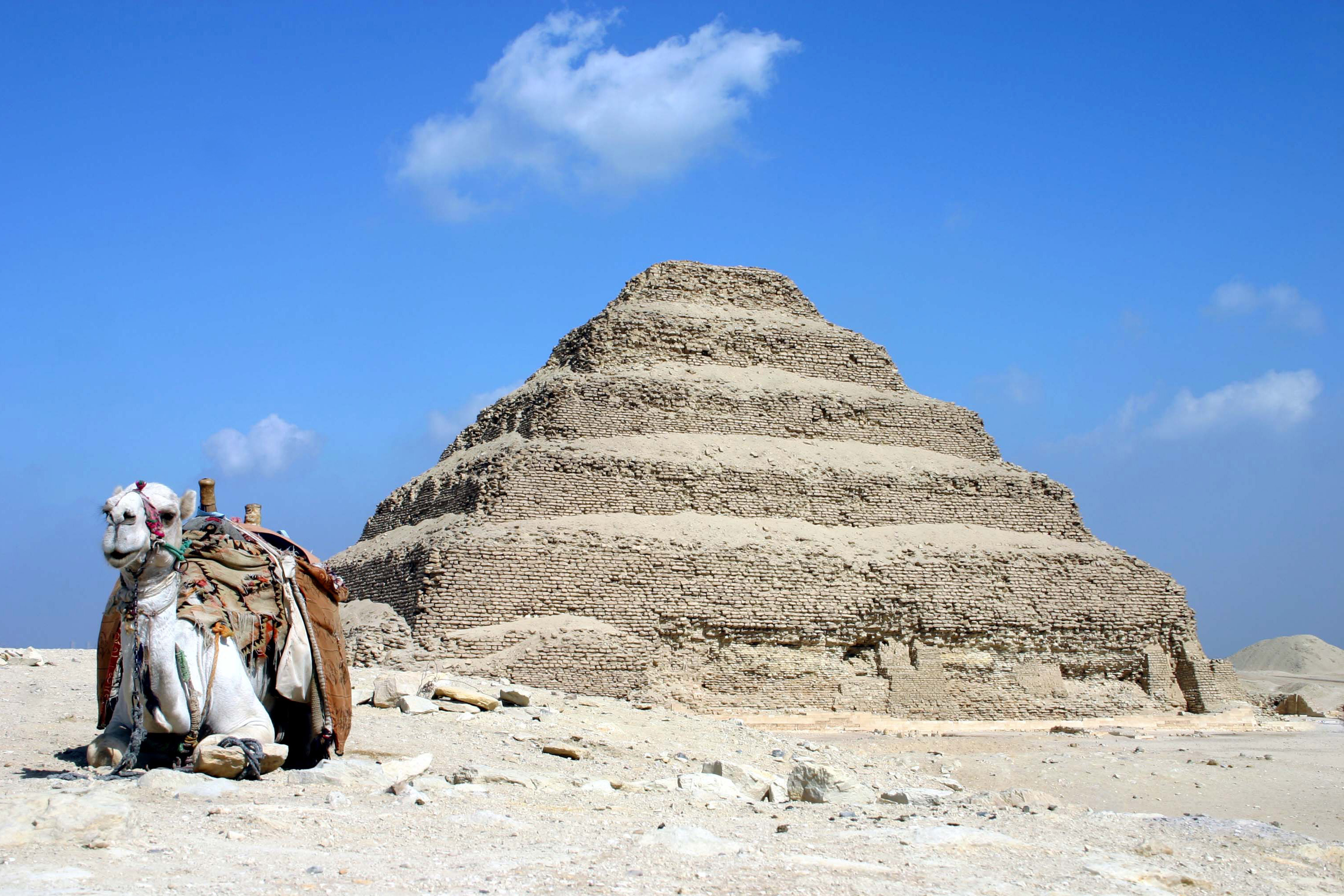
Photo: Charles J. Sharp, CC BY-SA 3.0, via Wikimedia Commons
Deep beneath the ancient sands of Saqqara, archaeologists have uncovered a remarkable cache of 24 massive granite sarcophagi, each weighing an estimated 70+ tons and carved with extraordinary precision. These enormous stone coffins, discovered in underground chambers near the famous Step Pyramid complex, represent some of the largest sarcophagi ever found in Egypt. The site sits within the broader Saqqara necropolis, located approximately 30 kilometers south of Cairo, which served as the burial ground for Memphis, the capital of ancient Egypt. The sarcophagi remain largely empty, their original contents and precise purpose still debated among archaeologists. Some theorists have suggested that the precision engineering and massive scale of these sarcophagi—particularly their empty state—point to a non-human origin, questioning how ancient Egyptians could have moved and shaped 70-ton granite blocks without modern machinery. However, archaeological evidence indicates that ancient Egyptian engineers possessed sophisticated knowledge of quarrying, leverage systems, and stone-working techniques, with copper tools and organized labor forces capable of executing such monumental projects. The empty sarcophagi likely reflect either the site's use as a royal cache that was later disturbed, or a ceremonial purpose that remains to be fully understood through continued excavation and study.
Timeline
Estimated construction period of the Saqqara complex during Egypt's Old Kingdom
Early archaeological explorations begin at Saqqara by Auguste Mariette
Discovery of the massive sarcophagi cache in underground chambers
What the Show Claims
- ›24 enormous empty sarcophagi discovered deep beneath Egyptian sands may have been designed by otherworldly visitors rather than humansS20E17
- ›The sarcophagi demonstrate perfect construction techniques beyond ancient human capabilitiesS20E17
- ›Each sarcophagi weighs over 70 tons, suggesting advanced technology was used in their creationS20E17
What Archaeology Says
The massive granite sarcophagi at Saqqara represent a remarkable feat of ancient Egyptian engineering, discovered during recent excavations in underground chambers near the Step Pyramid complex. These stone coffins, carved from single blocks of granite, demonstrate the sophisticated quarrying and transportation techniques developed by ancient Egyptian craftsmen during the Old Kingdom period.
Archaeologists and engineers have extensively studied similar large-scale stone constructions throughout Egypt, documenting the methods used by ancient builders. Evidence suggests these massive sarcophagi were created using copper tools, wooden levers, ramps, and organized teams of workers who could move enormous stone blocks across considerable distances. The precision of the carving likely involved careful planning, skilled stonemasons, and time-tested techniques passed down through generations of Egyptian craftsmen.
The scientific consensus attributes these impressive constructions to human ingenuity and the highly organized society of ancient Egypt, which commanded vast resources and labor forces. Archaeological evidence from quarry sites shows tool marks consistent with copper implements and abrasive techniques used to shape hard stone. The transportation of such massive blocks would have required sophisticated understanding of physics, leverage, and coordinated human effort.
However, questions remain about the specific purposes of these particular sarcophagi and why they were found empty. The exact dating of their construction and the identity of their intended occupants continues to be investigated by archaeologists working at the site.
Mysteries & Fun Facts
The Saqqara complex contains the world's oldest known pyramid, the Step Pyramid of Djoser
Each of the massive sarcophagi is estimated to weigh more than 70 tons
The site has been continuously excavated for over 150 years and continues to yield new discoveries
Saqqara served as the royal cemetery for Memphis, ancient Egypt's capital city
Planning a Visit
The Saqqara archaeological site is generally accessible to visitors, though access to specific underground chambers containing the sarcophagi cache may be restricted. Visitors should check with local tourism authorities for current access permissions and guided tour availability, as archaeological work may be ongoing at the site.
Cairo, approximately 30 kilometers northeast
The optimal time to visit is during Egypt's cooler months from October to April, when temperatures are more comfortable for exploring archaeological sites.
Related Sites
Abu Simbel
Another Egyptian site featuring massive stone constructions that Ancient Aliens claims required advanced technology
Luxor Temple
Part of ancient Egypt's impressive architectural legacy that the show suggests involved otherworldly assistance
Great Zimbabwe
Another ancient site with precisely cut massive stone blocks that the show attributes to possible alien intervention