Olmec colossal head sites, Tabasco
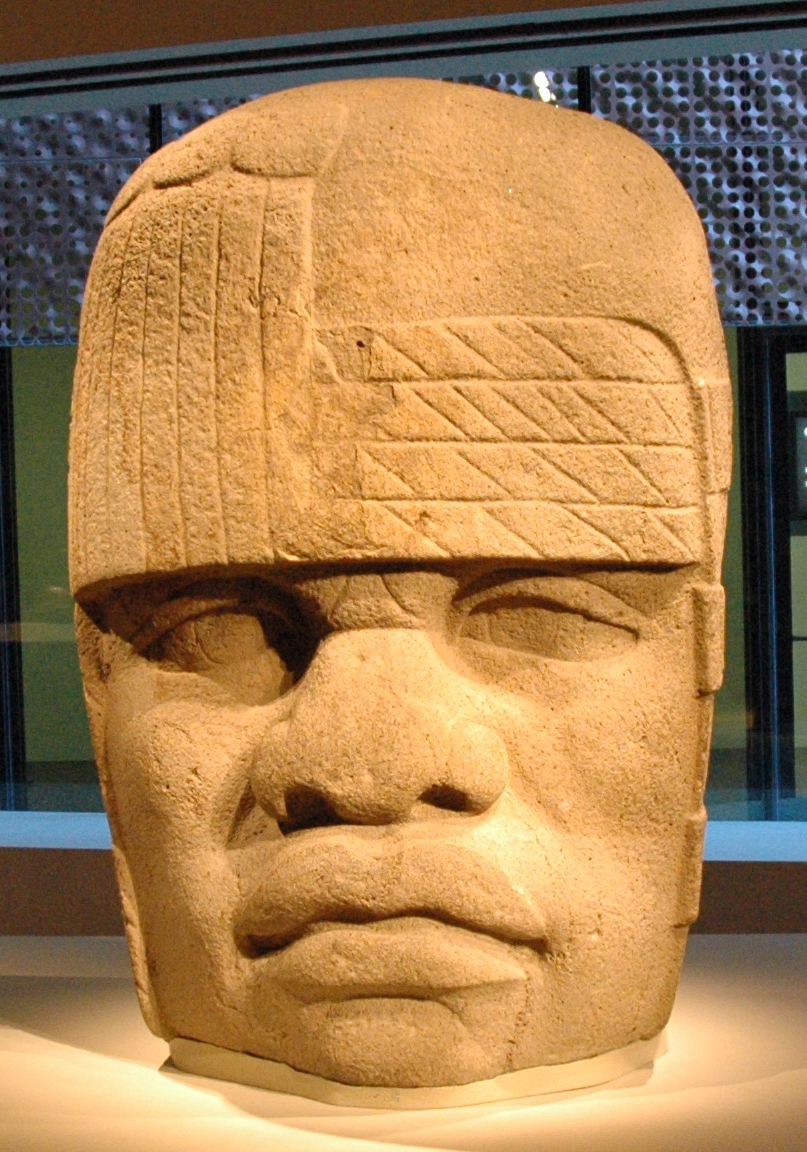
Photo: Marshall Astor (Life on the Edge), CC BY-SA 2.0, via Wikimedia Commons
The Olmec colossal heads represent one of Mesoamerica's most enigmatic archaeological treasures, with seventeen massive stone sculptures scattered across Mexico's Gulf Coast region in Tabasco and Veracruz. These monumental basalt carvings range from approximately 5 to 11 feet in height and weigh between 6 to 50 tons, with some estimates suggesting the largest specimens may reach up to 20 tons. Each head displays distinctive facial features and what appears to be elaborate headgear or helmets, carved with remarkable precision from volcanic basalt transported from quarries located dozens of miles away. The sculptures are found at four primary sites: La Venta, San Lorenzo, Tres Zapotes, and La Cobata, representing the heart of the ancient Olmec civilization that flourished in this tropical lowland region. Ancient Aliens theorists have suggested that the distinctive helmeted appearance and precise craftsmanship of these heads point to possible encounters with extraterrestrial visitors, proposing that shamanic rituals may have facilitated contact with otherworldly beings. Mainstream archaeologists, however, interpret the elaborate headgear as regalia reflecting the political and ceremonial authority of Olmec rulers, with the sculptures' consistent stylistic elements and distribution across multiple sites suggesting they served as monuments to individual leaders within a sophisticated hierarchical society. The colossal heads remain central to understanding Olmec culture, whether viewed primarily as records of their own elite or as artifacts that inspire broader speculation about ancient contact narratives.
Timeline
Earliest Olmec colossal heads believed to have been carved during the Early Formative period
Peak period of colossal head creation during Middle Formative Olmec civilization
First colossal head discovered by archaeologist José María Melgar y Serrano at Tres Zapotes
Major archaeological expeditions by Matthew Stirling reveal multiple heads at La Venta and San Lorenzo
What the Show Claims
- ›The helmeted Olmec colossal heads depict extraterrestrial visitors who made contact with ancient shamansS03E05
- ›Olmec shamans used ritual practices to communicate directly with otherworldly beings represented in the stone headsS03E05
- ›The distinctive helmet-like headgear suggests advanced technology beyond what the Olmec civilization should have possessed
Theorist Takes
“The mother culture of Central America was the Olmec. In older images made by the Olmec, we can see helmeted beads dressed in overalls. dressed in overalls ascending. They've wings and they have microphones almost in front of their mouths. Are these the heads of rulers? Or priests? Or were they maybe aliens that they wanted to portray?”
From the Transcripts
“Tabasco, Mexico. Prospectors drilling for oil unearth the colossal stone head weighing more than 20 tons. 50 years later, 16 more heads are discovered, each with a unique face and not characteristic of the indigenous people.”
What Archaeology Says
Archaeological investigations spanning over a century have revealed that the Olmec colossal heads were masterfully carved from basalt quarried from the Tuxtla Mountains, requiring sophisticated knowledge of stone working and massive organizational efforts to transport the raw materials across rivers and swamplands. The heads display remarkable artistic consistency in their portrayal of human facial features, with each sculpture appearing to represent a distinct individual, supporting the mainstream archaeological interpretation that they commemorate specific Olmec rulers or elite figures.
Key researchers including Matthew Stirling, Philip Drucker, and more recent teams led by Ann Cyphers have documented the heads' distribution patterns and dating. Radiocarbon analysis and stratigraphic evidence consistently place the heads within the Early to Middle Formative periods, roughly 1500 to 400 BC. The sculptures demonstrate advanced understanding of proportion and three-dimensional carving techniques, with some showing evidence of deliberate defacement or ritual burial, suggesting they held profound ceremonial significance.
The scientific consensus views these monuments as portraits of Olmec leadership, possibly representing ballgame players or warrior-kings, given the helmet-like headgear that may actually represent protective gear used in Mesoamerican ballgames. The Olmec civilization is recognized as the "mother culture" of Mesoamerica, influencing later Maya and Aztec artistic traditions.
What remains genuinely mysterious is the precise method used to transport such massive stones across difficult terrain, the specific identity of the individuals depicted, and the reasons why some heads were intentionally buried or damaged in antiquity. The remarkable preservation of facial details and the consistent artistic style across different sites also raises intriguing questions about Olmec cultural unity and communication networks.
Mysteries & Fun Facts
The largest colossal head weighs an estimated 40-50 tons and stands nearly 10 feet tall, making it one of the most massive stone sculptures in the ancient Americas
Each head appears to represent a different individual, with unique facial features and headgear designs that may indicate rank or regional identity
The basalt used for carving was quarried from volcanic sources up to 100 kilometers away, requiring remarkable logistical coordination to transport
Some colossal heads show evidence of being deliberately buried in antiquity, possibly as part of ritual ceremonies when rulers died or were overthrown
Planning a Visit
The Olmec colossal heads can be viewed at several locations, with the most accessible specimens housed in museums including the Museo de Antropología de Xalapa and Parque-Museo La Venta in Villahermosa. Some heads remain at their original archaeological sites, though access may require guided tours and can be challenging due to the remote, swampy terrain of the Gulf Coast region.
Villahermosa, approximately 30-60 kilometers from various colossal head sites
The dry season from November to April offers the most comfortable conditions for visiting, as the Gulf Coast region experiences high humidity and frequent rainfall during summer months.
Featured Locations1 sites within this area
Dragon Monolith, Villahermosa
MexicoRelated Sites
Palenque
Another major Mesoamerican site featuring mysterious carved monuments and advanced stoneworking techniques that ancient astronaut theorists link to extraterrestrial influence
Chichen Itza - Kukulkan Temple
Classic Maya site that continued the Mesoamerican tradition of monumental stone sculpture and astronomical knowledge that theorists connect to otherworldly contact
Stone Spheres of Costa Rica
Another collection of precisely carved stone monuments in Central America that ancient astronaut theorists suggest required advanced technology to create